



What's Happening?
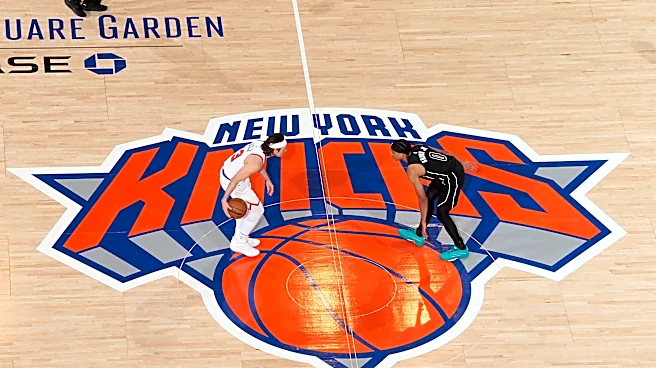
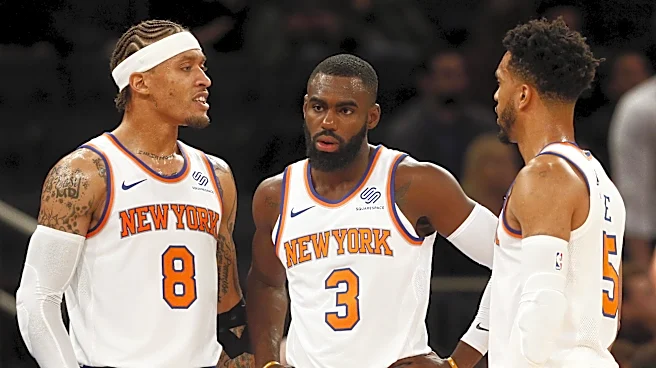
The New York Knicks, after securing their first championship in 53 years, are facing the challenge of a potential 'championship hangover' as they begin the 2026-27 NBA season. Despite returning their entire playoff rotation, excluding center Mitchell
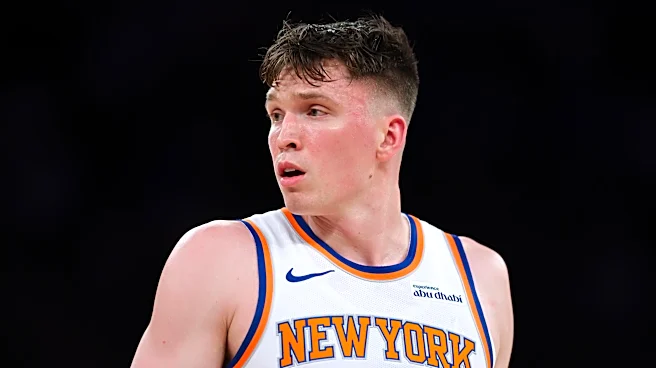
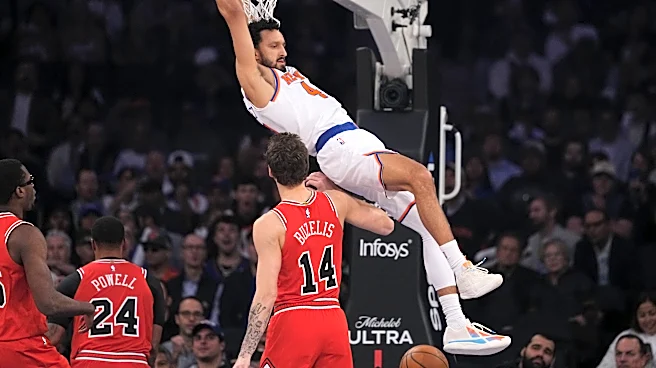
Robinson, and having a starting lineup in their athletic primes (ages 29-31), the team initially struggled, losing their first three games. Concerns arose among fans and pundits about whether the championship-winning roster would maintain the same level of hunger and desperation. To combat this, the Knicks are looking to new additions and players with 'chips on their shoulders' to inject renewed intensity. This group includes Dalton Knecht, Andre Drummond, and James Wiseman, all of whom are motivated to prove their worth in the league. Knecht, a 25-year-old two-way player, scored 10 points and grabbed seven rebounds in his first significant opportunity, aiming to show the Los Angeles Lakers they erred in cutting him. Drummond, a 33-year-old free agency addition, is battling perceptions about his value after signing a veteran's minimum contract. Wiseman, also 25, earned his spot during training camp after considering playing abroad, eager to establish himself as an NBA player.
Why It's Important?
This strategy is crucial for the Knicks as they aim to defy the trend of NBA champions failing to repeat their success, a pattern seen in the last eight title winners. The integration of highly motivated players like Knecht, Drummond, and Wiseman could provide the necessary spark to maintain competitive intensity throughout the demanding regular season. Their individual drives to prove doubters wrong can serve as a catalyst, preventing complacency within a championship-winning squad. For the Knicks, these players are not expected to be primary contributors in high-leverage situations but rather to elevate the team's overall energy and focus. Their presence could foster a competitive environment that pushes established players to continue evolving, similar to how Jose Alvarado and Jordan Clarkson contributed to team dynamics in previous seasons. This approach highlights the importance of roster depth and psychological motivation in sustaining elite performance in professional sports, especially after achieving the ultimate goal.
What's Next?
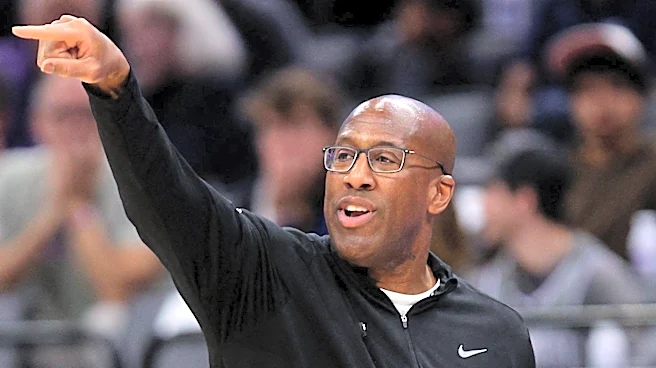
The immediate focus for the Knicks will be on how effectively these new, motivated players integrate into the team's system and contribute to consistent performance. Their ability to maintain high energy levels and competitive drive will be key to overcoming the initial slow start and avoiding a prolonged championship hangover. Head coach Mike Brown will likely continue to provide opportunities for Knecht, Drummond, and Wiseman to demonstrate their capabilities, particularly in regular-season games where the team needs to build momentum. The team will be closely watching to see if their contributions can inspire the rest of the roster and help them approach upcoming games with the intensity that was reportedly missing at the start of the season. Success in this regard could solidify their roles and provide valuable depth as the Knicks navigate the long NBA season with aspirations of another deep playoff run.
Beyond the Headlines
The Knicks' reliance on players with 'chips on their shoulders' reflects a deeper understanding of team psychology in professional sports, particularly after achieving peak success. It underscores the challenge of maintaining hunger and motivation once the ultimate goal has been reached. This strategy suggests that beyond raw talent, a player's intrinsic drive and desire to prove themselves can be a significant asset, especially in preventing complacency. It also highlights the cyclical nature of player careers, where individuals like Drummond and Wiseman, despite past achievements or high draft status, constantly need to re-establish their value. For Knecht, it's an early career opportunity to demonstrate his potential after being cut by another team. This approach could set a precedent for how championship teams manage their rosters in subsequent seasons, prioritizing not just skill but also the psychological edge that comes from players who feel they have something to prove. It's a testament to the idea that sustained success often requires a continuous infusion of fresh motivation and competitive spirit.