






What's Happening?
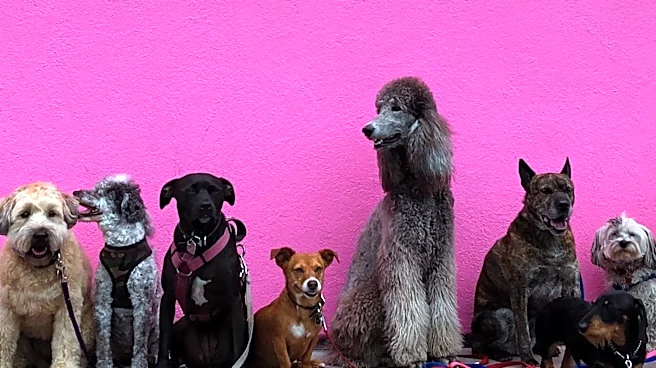
Siomara Alonzo, a retired Ministry of Education employee in Quetzaltenango, Guatemala, has dedicated nearly two decades to rescuing and caring for abandoned and injured dogs. Her journey began in 2007 when she rescued a severely injured dog she named
Osa. This initial act of compassion evolved into a full-time commitment, and she now provides a home for 59 dogs. Alonzo's daily routine starts at 5:30 AM, involving cleaning, feeding, and administering medication to the dogs, many of whom have disabilities or are elderly. She estimates that she spends approximately Q3,200 (Guatemalan Quetzales) monthly on food, cleaning supplies, and medicine, supplementing her pension by making and selling dog clothing. Her home has been modified to accommodate the growing number of animals, with divided gates, adapted patios, and separated corridors. Alonzo has also facilitated the adoption of around 70 dogs over the years, though some have remained with her due to a lack of adoption interest.
Why It's Important?
Alonzo's unwavering dedication highlights the significant issue of animal abandonment and neglect in communities, particularly in regions like Quetzaltenango, Guatemala. Her story underscores the immense personal sacrifice and financial strain involved in providing care for a large number of rescued animals. The fact that she funds much of this through her pension and by selling dog clothing illustrates the lack of widespread institutional support for animal welfare in many areas. Her efforts provide a critical safety net for vulnerable animals who would otherwise face dire circumstances on the streets, including those with severe injuries or disabilities. This initiative also brings attention to the broader societal responsibility towards animal welfare and the need for increased public awareness regarding responsible pet ownership, sterilization, and veterinary care to prevent abandonment.
What's Next?
Alonzo's primary concern for the future is ensuring the continued care of her 59 dogs, especially considering her own aging and potential inability to maintain the demanding routine. She dreams of securing a consistent supply of food, which is her largest expense, to free up funds for more sterilizations and veterinary attention. Another long-term goal is to acquire land to build a dedicated shelter where the dogs can have more space to run and play. This would alleviate the current strain on her personal residence and potentially allow for the care of more animals. The ongoing challenge will be to find sustainable funding and support to realize these goals, as her current methods are largely self-funded and labor-intensive. Her story may inspire local community support or attract attention from animal welfare organizations that could provide assistance.
Beyond the Headlines
Alonzo's story transcends a simple act of animal rescue; it delves into profound ethical and emotional dimensions of human-animal relationships. Her internal struggle, described as a "war with the mind and the heart" when encountering a new abandoned animal, reflects the deep empathy and moral imperative she feels. This highlights the psychological toll and emotional burden carried by individuals who commit to such extensive care, often facing criticism or misunderstanding from family members. The narrative also touches upon the darker side of pet ownership, revealing instances of abandonment during the pandemic, and owners leaving pets when they become old or sick. The painful experience of Nube, a dog she adopted out only to find her abandoned and injured later, underscores the complexities and heartbreaks involved in animal rescue and adoption, emphasizing the critical need for responsible and committed pet guardianship.