



What's Happening?
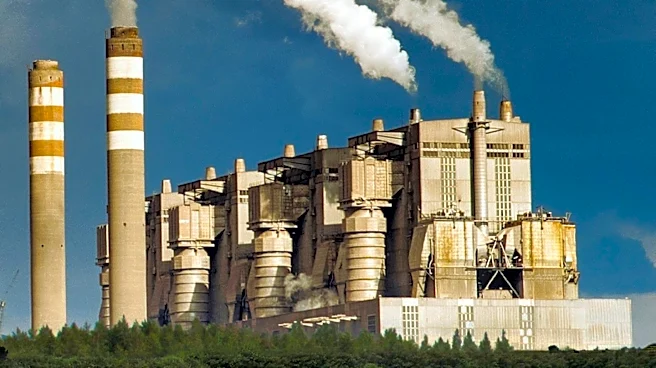
GE Vernova and Eneva have commenced commercial operations of the 295 MW Azulão I thermal power plant in Brazil's Amazonas state. This plant, located in Silves, approximately 330 kilometers from Manaus, is designed to provide firm, dispatchable capacity
to Brazil’s National Interconnected System (SIN) under a 15-year contract. Azulão I is the initial operational asset within Eneva’s larger Azulão Complex, which also includes the planned Azulão II power plant. The facility utilizes GE Vernova’s 7HA.02 gas turbine and H65 generator, engineered for rapid response to fluctuations in electricity demand. This project aims to support grid stability as Brazil integrates increasing amounts of variable renewable energy sources like wind and solar into its power mix. The plant's connection to Brazil's transmission network, specifically the Tucuruí-Macapá-Manaus corridor, required specialized engineering solutions, including a custom Sub Synchronous Resonance blocking filter and a torsional stress relay solution to ensure stable operation across the extensive network.
Why It's Important?
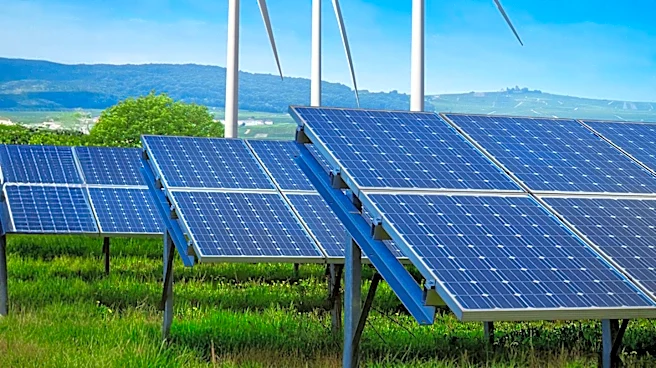
The launch of the Azulão I plant is significant for Brazil's energy transition strategy, which aims for renewables to constitute over 85% of national electricity generation by 2035, as outlined in the Ten-Year Energy Expansion Plan (PDE 2035). While wind and solar are expanding, their inherent variability necessitates reliable, flexible capacity to maintain grid security when renewable generation declines or during peak demand. Gas-fired assets like Azulão I play a crucial role in this balancing act, providing consistent power to prevent blackouts and ensure system reliability. This project also highlights Eneva’s 'Reservoir-to-Wire' model, which involves generating electricity close to natural gas production sites, thereby reducing transportation needs and overcoming infrastructure challenges in remote areas. For investors and policymakers, this development underscores the ongoing demand for assets that can quickly adapt to changing power conditions, even as the long-term economic competitiveness of gas capacity is debated against the backdrop of evolving storage and transmission technologies.
What's Next?
The Azulão I plant is expected to continue providing critical dispatchable power to Brazil's grid, supporting the integration of more renewable energy. Eneva's broader Azulão Complex includes the planned Azulão II power plant, indicating further expansion of gas-fired generation capacity in the region. The 15-year service agreement with GE Vernova will ensure the plant's long-term reliability and operational efficiency. As Brazil progresses towards its 2035 renewable energy targets, the performance and integration of facilities like Azulão I will be closely monitored to assess the effectiveness of gas as a transitional fuel. Future developments will likely involve continued investment in both renewable energy sources and the flexible generation capacity needed to stabilize the grid, potentially influencing policy decisions regarding energy mix and infrastructure development in Brazil.
Beyond the Headlines
This project illustrates a broader global challenge faced by nations transitioning to renewable energy: the need to balance clean energy expansion with grid stability and energy security. While the long-term goal is often a fully renewable grid, the interim period requires reliable backup power sources. Gas-fired plants, despite being fossil fuel-based, are often seen as a more flexible and less carbon-intensive alternative to coal, serving as a bridge during this transition. The 'Reservoir-to-Wire' model employed by Eneva also points to innovative solutions for energy development in regions with limited infrastructure, potentially setting a precedent for similar projects in other developing economies. The ongoing debate about the role of gas in a decarbonized future will continue to shape investment decisions and energy policies, with a focus on how quickly and effectively storage and other flexibility technologies can replace the need for fossil fuel-based dispatchable power.