
What's Happening?
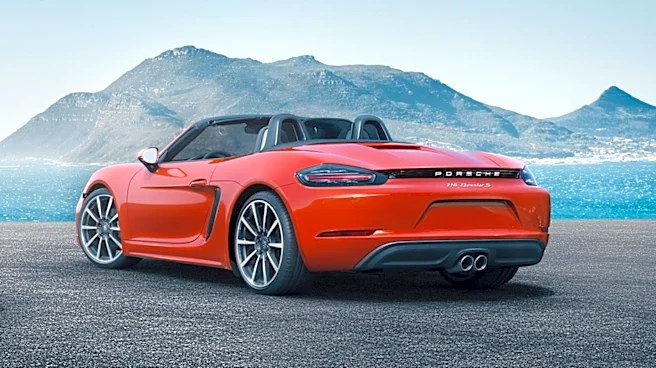
Porsche is preparing to unveil its first all-electric two-door sports car, the 718 Boxster, in the first quarter of 2027. This new model is anticipated to be the most powerful 718 ever produced, boasting
a top speed exceeding 155 mph (250 km/h) and accelerating from 0 to 62 mph (100 km/h) in under three seconds. The vehicle will be manufactured at Porsche's main plant in Zuffenhausen, Stuttgart. A key innovation is the 'E-Core' layout, which positions the 800-volt battery behind the seats, mimicking the weight distribution of traditional mid-engined sports cars with 60% of the weight at the rear. This design aims to maintain the Boxster's characteristic driving feel. The electric Boxster will also feature an 'E-Shift' system, which simulates a seven-speed PDK gearbox with recorded engine sounds from a six-cylinder boxer engine, providing a tactile and auditory experience similar to a gasoline-powered vehicle. Cold-weather testing has been conducted in extreme conditions, down to -22 °F (-30 °C).
Why It's Important?
The introduction of an all-electric 718 Boxster marks a significant step in Porsche's electrification strategy, impacting the luxury sports car market and the broader automotive industry. By retaining the weight distribution and driving dynamics of its gasoline predecessors, Porsche aims to appeal to traditional sports car enthusiasts who might be hesitant about electric vehicles. The 'E-Shift' system, with its simulated gear changes and engine sounds, represents an attempt to bridge the experiential gap between internal combustion engines and electric powertrains, potentially influencing how other manufacturers approach EV performance and driver engagement. This move could accelerate the adoption of electric sports cars by demonstrating that high performance and an engaging driving experience are achievable without a traditional engine. The success of the electric Boxster could set new benchmarks for performance EVs and influence consumer expectations for luxury electric vehicles in the U.S. market.
What's Next?
The official unveiling of the all-electric 718 Boxster is scheduled for the first quarter of 2027. While Porsche has confirmed performance metrics like top speed and acceleration, details regarding the car's power output, battery capacity, range, and pricing are yet to be announced. These specifications will be crucial for consumers and industry analysts to fully assess the vehicle's competitiveness in the rapidly evolving electric vehicle market. Following the launch, the market reception and sales performance of the electric Boxster will be closely watched, as it will indicate the willingness of luxury sports car buyers to embrace electric powertrains, even with simulated driving characteristics. The integration of 911 chassis parts, including steering and the availability of rear-axle steering, suggests a focus on delivering a premium driving experience, which will be a key factor in its market acceptance.
Beyond the Headlines
Porsche's decision to include simulated engine sounds and gear changes in the electric Boxster raises interesting questions about the future of sensory experience in electric vehicles. This approach highlights a potential tension between the silent, smooth nature of electric powertrains and the emotional connection drivers have with the sounds and feel of traditional sports cars. The 'E-Shift' system could be seen as an innovative solution to maintain brand identity and driver engagement in an electric era, or as a concession to nostalgia. This development could spark a broader debate within the automotive industry about the role of artificial sensory feedback in EVs and whether it enhances or detracts from the authentic electric driving experience. It also underscores the challenge luxury automakers face in transitioning to electric while preserving the core attributes that define their brands.