




What's Happening?
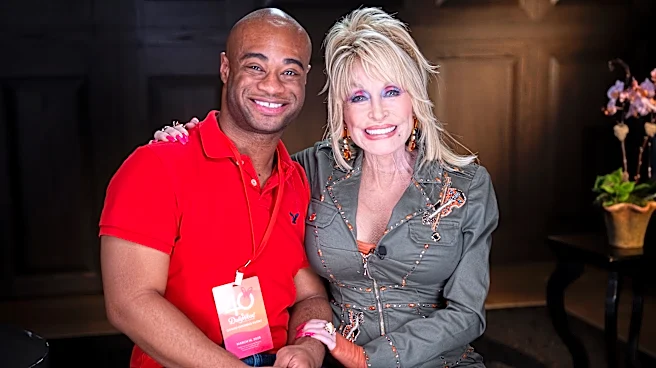
Michael O'Neill McGrath, a Religious Brother in the Oblates of St. Francis de Sales, has published an article exploring the intersection of art, spirituality, and problem-solving. The piece, titled 'Dolly Parton’s “harp” can solve our problems,' draws
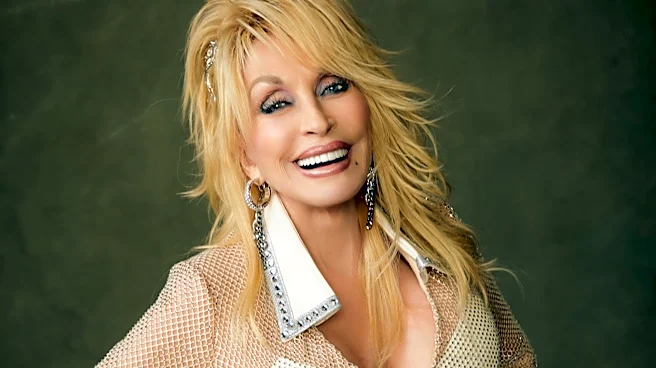
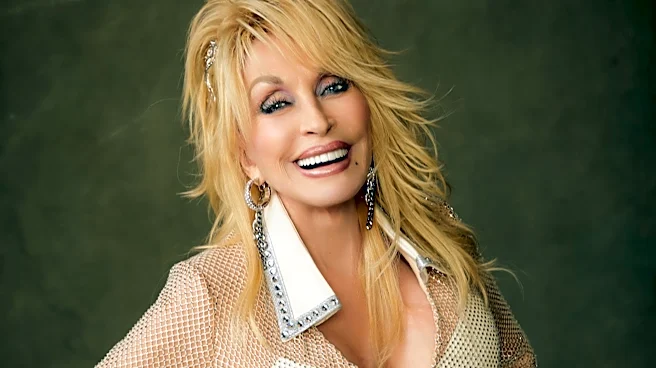
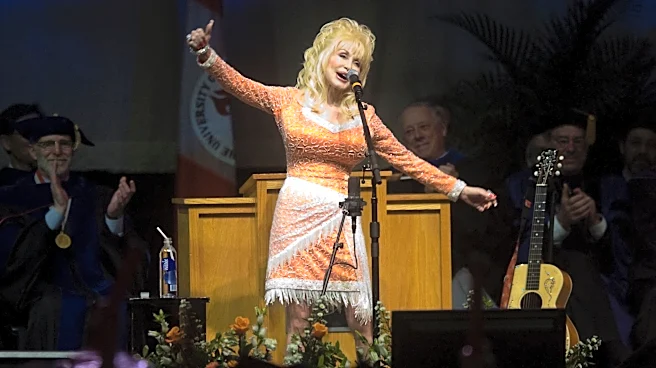
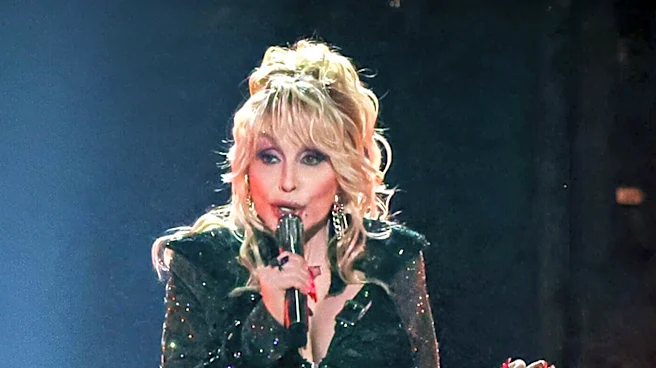
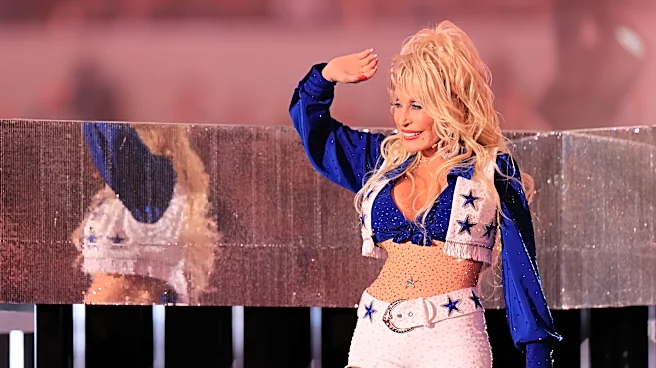
inspiration from Psalm 49 and personal interpretation, where McGrath likens a harp to a paintbrush or sketching pen as instruments of prayerful contemplation. He highlights how art and beauty, in various forms, can help individuals overcome fears and share discoveries. The article specifically references the musical and charitable contributions of Dolly Parton and Servant of God Sr. Thea Bowman, emphasizing their roles in inspiring hope, faith, and love. McGrath notes that both artists, through their music and actions, exemplify the presence of the Holy Spirit in every person. He also recounts how he created an image of St. Cecilia resembling Dolly Parton, with the Holy Spirit depicted with a cowboy hat, to illustrate Psalm 49:4.
Why It's Important?
This article is important as it delves into the profound impact of art and music on spiritual well-being and problem-solving, offering a unique perspective on how creative expression can serve as a form of contemplation and healing. By featuring figures like Dolly Parton and Sr. Thea Bowman, McGrath underscores the universal appeal and transformative power of their work, transcending genres and backgrounds. The piece suggests that art can foster unity and understanding, as exemplified by Sr. Thea Bowman's ability to unite diverse audiences through song. In a broader societal context, it highlights the potential of artistic endeavors to address anxiety and fear, promoting hope and shared human experience. The personal reflection on 'Lectio Divina' and 'Visio Divina' provides a framework for readers to engage with art in a more meaningful and spiritual way, suggesting that such practices can lead to personal growth and a deeper connection to faith.
What's Next?
While the article itself is a reflection rather than a call to action, its publication may encourage readers to explore the spiritual dimensions of art and music in their own lives. The themes presented could inspire further discussions within religious communities about integrating creative practices into spiritual routines. For individuals, the piece might prompt a re-evaluation of how they engage with art as a tool for personal reflection and emotional processing. The mention of Dolly Parton and Sr. Thea Bowman could also lead to increased interest in their legacies, particularly their contributions to fostering kindness, inclusion, and hope through their respective platforms. The article's message about the Holy Spirit being alive in every person, as expressed through art, could also resonate with those seeking to find spiritual meaning in everyday experiences and creative pursuits.
Beyond the Headlines
The article touches upon deeper implications regarding the role of art in fostering empathy and challenging societal norms. Sr. Thea Bowman's ability to move bishops to break free from their identities and join in prayerful song illustrates how art can dismantle barriers and promote a more inclusive understanding of faith. This suggests that artistic expression can be a powerful force for social change and spiritual awakening, encouraging individuals to look beyond superficial differences. The concept of art as a 'sacred work' that touches hearts, memories, hopes, and dreams implies a long-term cultural shift towards valuing creative endeavors not just for entertainment, but for their profound capacity to connect humanity and address existential concerns. The article subtly advocates for a world where artistic and spiritual values are intertwined, offering a pathway to collective healing and understanding in an increasingly complex world.