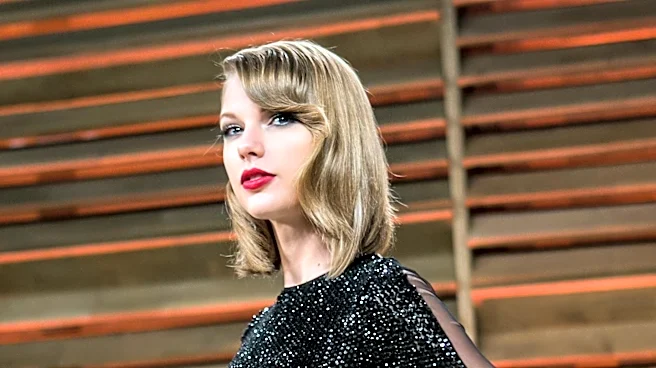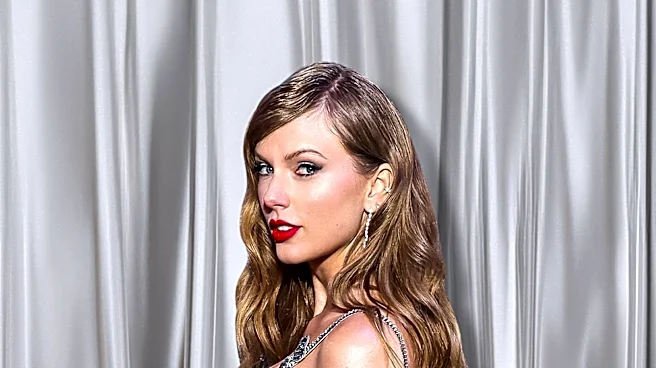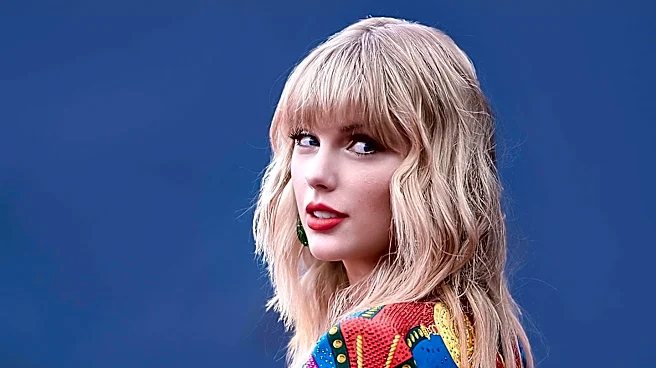

What's Happening?
Vanity Fair published an article titled 'The Mastermind' about Taylor Swift, which has generated significant criticism for its tone and reliance on anonymous sources. The piece, written by Canadian journalist
May Jeong, reportedly involved interviews with over 100 people and used pseudonyms like 'The Exec' and 'The Person Familiar' instead of direct names. It offers a less-than-flattering portrayal of Swift's relationships and public image, without explicitly naming her. The article revisits Swift's dispute over the rights to her early recordings and includes claims from former classmates and a teacher challenging her recollections of childhood bullying. Critics, including Variety chief music critic Chris Willman, have labeled it a 'failed exposé,' with some readers finding it mean-spirited or ineffective. Swift's representatives and Jeong were contacted by CBC News but did not provide comments.
Why It's Important?
This event highlights ongoing debates within celebrity journalism regarding ethics, sourcing, and the portrayal of public figures. The use of anonymous sources and pseudonyms, while sometimes necessary, raises questions about accountability and verification, especially when making broad claims about an individual's character. The backlash also underscores the power of public perception and fan engagement in shaping media narratives. For the entertainment industry, it demonstrates the potential for critical profiles to backfire, sometimes generating sympathy for the subject rather than achieving their intended critical effect. It also touches on the broader cultural influence of celebrities like Swift, where scrutiny is deemed important due to their significant economic and cultural impact, as noted by culture writer Stacy Lee Kong.
What's Next?
The immediate aftermath will likely involve continued public discussion and media analysis of the Vanity Fair article, with various outlets offering their perspectives on its journalistic merit and impact. It remains to be seen if Vanity Fair will issue a response to the widespread criticism or if the article will prompt a re-evaluation of their editorial approach to celebrity profiles. For Taylor Swift, the article may further solidify her public image among her fanbase as someone unfairly targeted by the media, potentially increasing loyalty. The incident could also influence how other publications approach profiles of high-profile celebrities, potentially leading to more cautious or transparent sourcing practices to avoid similar backlashes.
Beyond the Headlines
The controversy surrounding 'The Mastermind' delves into deeper implications concerning the nature of celebrity, media scrutiny, and the public's right to information versus an individual's right to privacy and a fair portrayal. The article's format, which some argue is 'referential to Taylor Swift's work herself' by using hidden messages and labels, raises questions about journalistic creativity versus clarity and directness. It also touches on the ethical tightrope journalists walk when sources request anonymity due to fear of professional repercussions, and the challenge of verifying claims about events from decades past. The public's strong reaction, ranging from criticism of the article's 'petty claims' to increased sympathy for Swift, reflects a broader societal conversation about how powerful figures are (and should be) depicted in media.