






What's Happening?
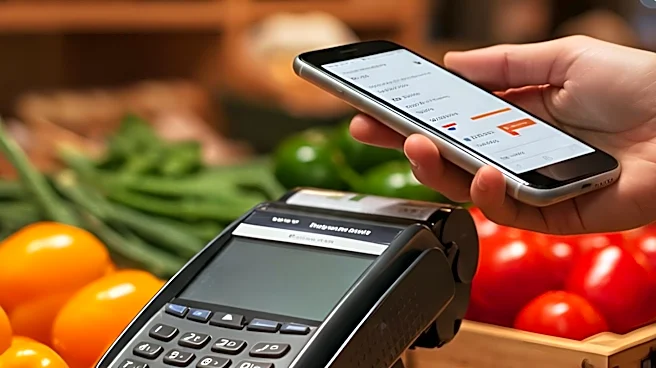
Mobile payment technologies are fundamentally transforming the U.S. retail landscape by offering streamlined transactions and improved customer engagement. These systems, which include NFC-based options like Apple Pay, Google Pay, and Samsung Pay, as well
as QR code payments and mobile wallets, provide consumers with faster, more convenient ways to make purchases. Retailers are leveraging these platforms to offer personalized promotions and loyalty rewards, often through beacon technology that delivers targeted offers to customers' smartphones. The shift is driven by evolving consumer behaviors that prioritize speed and simplicity in financial transactions. Key security features such as tokenization, encryption, and biometric authentication are integral to these systems, replacing sensitive card data with unique digital identifiers and protecting information during transmission. This technological evolution is not just about convenience but also about enhancing the overall shopping experience and providing valuable data insights for businesses.
Why It's Important?
The widespread adoption of mobile payments holds significant importance for the U.S. economy and its various stakeholders. For consumers, the primary benefit is increased convenience, eliminating the need for physical wallets and speeding up checkout times. This also allows for better financial tracking through detailed transaction histories provided by mobile apps, aiding in budgeting and financial management. Additionally, consumers can access exclusive rewards and discounts offered by retailers incentivizing mobile payment use. For merchants, faster checkout processes can lead to higher sales volumes and improved customer satisfaction. Reduced cash handling lowers operational costs related to cash management and security. The data collected through mobile payment platforms offers invaluable insights into customer behavior, enabling businesses to personalize marketing efforts and optimize their product offerings. Embracing mobile payments also positions businesses as modern and technologically advanced, potentially attracting a broader customer base and fostering innovation in the retail sector.
What's Next?
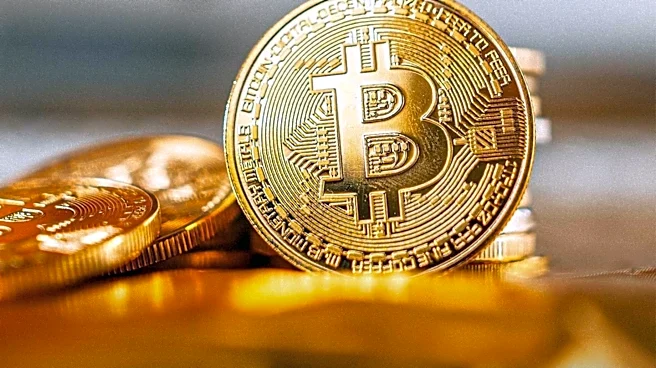
The future of mobile payments in the U.S. is expected to involve deeper integration with emerging technologies and a continued focus on addressing current challenges. Anticipated developments include the integration of mobile payments with the Internet of Things (IoT), allowing for seamless transactions from connected devices like car dashboards or smart home appliances. Artificial intelligence (AI) is poised to play a larger role in providing personalized payment recommendations and enhancing fraud detection capabilities. Biometric authentication methods are also expected to become more sophisticated, potentially incorporating advanced physiological traits for verification. While cryptocurrencies and blockchain technology currently face volatility and regulatory hurdles, stablecoins and central bank digital currencies (CBDCs) could offer secure and efficient alternatives to traditional payment methods in the long term. The industry will likely move towards creating omni-channel experiences, ensuring mobile payments are seamlessly integrated across online, in-store, and other customer touchpoints. Addressing interoperability and standardization across different platforms will be crucial for broader adoption, with industry initiatives and regulations aiming to create a more unified and inclusive mobile payment ecosystem.
Beyond the Headlines
Beyond the immediate benefits of convenience and security, the rise of mobile payments in the U.S. carries deeper implications for societal and economic structures. The increasing reliance on smartphones for financial transactions highlights a growing digital divide, as individuals without access to smartphones or reliable internet connections may be excluded from this evolving ecosystem. This raises questions about financial inclusion and equitable access to modern payment methods. Furthermore, the extensive data collection by mobile payment platforms, while beneficial for personalized marketing, also brings forth significant privacy concerns. The ethical use and protection of this sensitive consumer data will be a critical area of focus, potentially leading to new regulations and industry standards. The shift away from physical cash also has environmental implications, reducing the resources associated with printing, transporting, and securing currency. Culturally, mobile payments are normalizing a cashless society, altering traditional consumer habits and expectations regarding financial interactions. The ongoing evolution of these technologies will continue to reshape how commerce is conducted, influencing everything from small business operations to national economic policies.