




What's Happening?
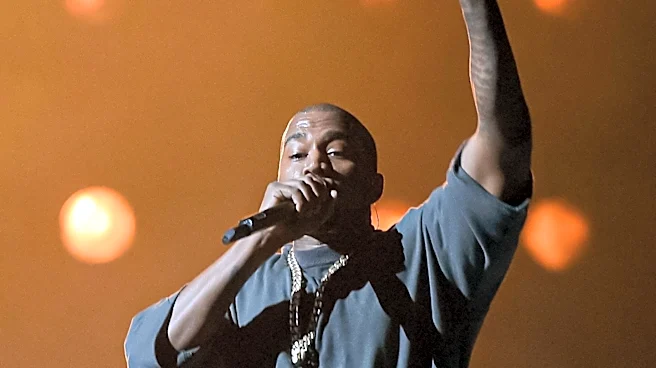
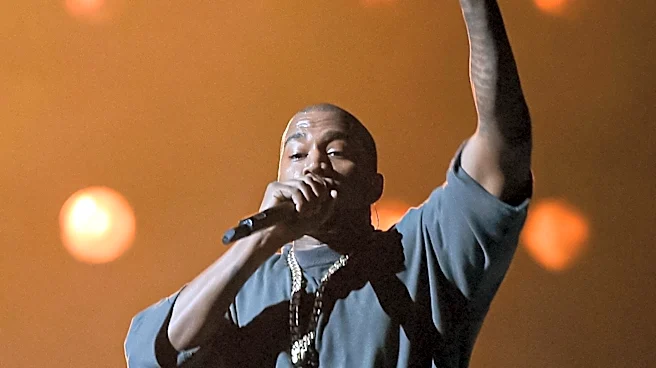
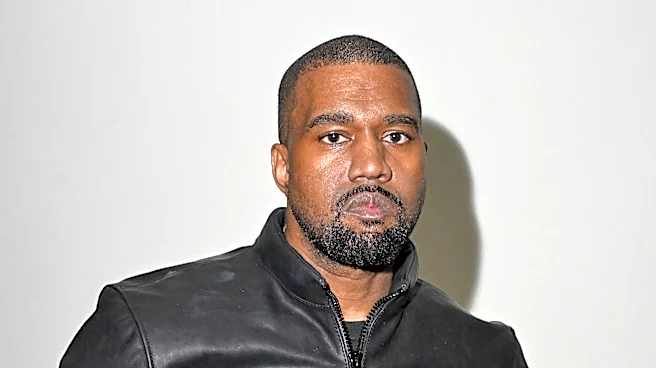
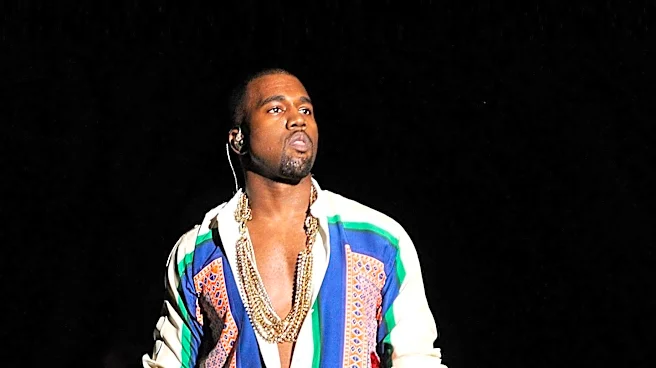
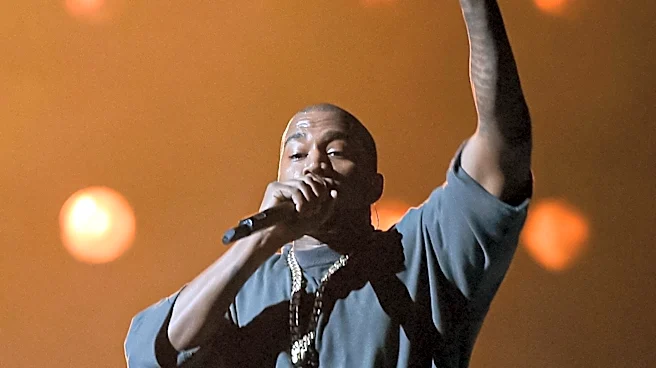
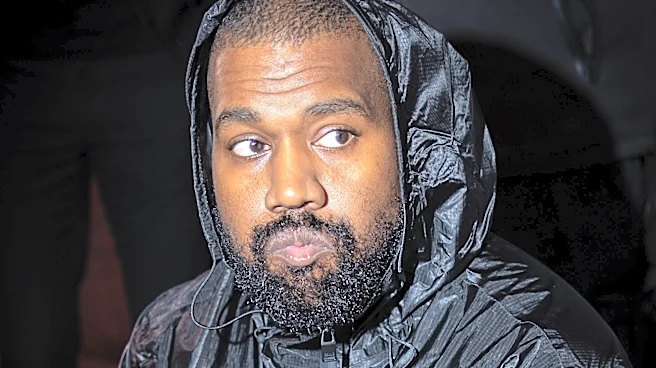
Kanye West has reached an undisclosed settlement with German-Canadian singer Alice Merton regarding a copyright dispute over his unreleased track 'Gun to My Head.' Merton, along with two German music publishers, Merton & Grauwinkel GmbH and Paper Plane
Publishing GmbH, filed a lawsuit against West and his Yeezy Record Label in March. The suit alleged that West sampled Merton's 2022 song 'Blindside' without permission. According to court documents, West's clearance company contacted Merton on February 15, 2024, but Merton, a direct descendant of Holocaust survivors, declined sample clearance weeks later. Despite the denial, 'Gun to My Head,' featuring Kid Cudi and Ty Dolla Sign, was released on a limited digital deluxe edition of 'Vultures 2,' which was temporarily available for purchase. On November 6, West and Merton filed a notice of settlement, indicating an agreement had been reached. U.S. District Judge Fernando L. Aenlle-Rocha dismissed the case without prejudice on November 12, allowing the parties 90 days to seek reopening if the settlement terms are not fully satisfied. The specific terms of the settlement have not been publicly disclosed.
Why It's Important?
This settlement underscores the persistent legal challenges Kanye West faces regarding sample clearances and intellectual property rights in his music. West has a history of over a dozen lawsuits concerning allegedly unlicensed samples, with most resulting in settlements. This particular case highlights the complexities that arise when an artist proceeds with using a sample despite explicit denial of clearance, potentially leading to legal action and financial repercussions. For Alice Merton, the settlement signifies a successful defense of her creative work and intellectual property, reinforcing the rights of artists to control how their music is used. The outcome also serves as a reminder to the music industry about the critical importance of obtaining proper sample clearances before releasing music, even for tracks that may be part of limited or temporary releases. The undisclosed nature of the settlement terms is common in such cases, but it generally involves financial compensation and potentially other agreements regarding future use or credit.
What's Next?
While the case has been dismissed without prejudice, the parties have a 90-day window to seek reopening if the terms of the settlement are not fully completed. This provision ensures that both Kanye West and Alice Merton fulfill their obligations as outlined in their agreement. The undisclosed nature of the settlement means the public will not know the specific financial or other arrangements made. However, the resolution of this dispute allows both artists to move forward without ongoing litigation. For Kanye West, this settlement adds to his history of resolving sample-related lawsuits, suggesting that his legal team will continue to navigate these issues as his music is released. For Alice Merton, the successful resolution reinforces her rights as a creator. The broader implication for the music industry is a continued emphasis on diligent sample clearance processes to avoid similar legal entanglements.
Beyond the Headlines
This case touches upon deeper ethical and cultural considerations within the music industry, particularly concerning artistic integrity and respect for original creators. Alice Merton's decision to deny sample clearance, partly influenced by her heritage as a direct descendant of Holocaust survivors, adds a layer of personal and moral conviction to the dispute. This highlights that sample clearance is not always a purely commercial transaction but can involve significant personal and ethical considerations for the original artist. The subsequent release of the track despite the denial raises questions about the boundaries of artistic freedom versus intellectual property rights and the potential disregard for an artist's wishes. Such incidents can strain relationships within the creative community and underscore the need for mutual respect and adherence to legal and ethical guidelines. The repeated nature of Kanye West's sample disputes also prompts a broader discussion about the responsibility of prominent artists to ensure proper clearances and fair compensation for all contributors to their work.