
What's Happening?
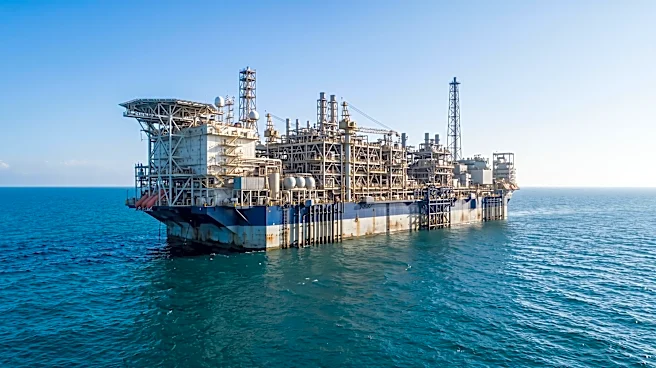
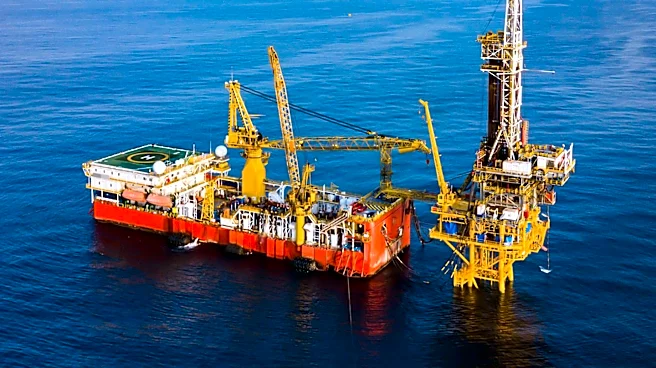
Saipem, an energy and infrastructure solutions provider, has been awarded two new offshore drilling contracts totaling approximately $181 million. These contracts involve the use of the semi-submersible
unit Scarabeo 9. The first contract, secured from Burullus Gas Company—a joint venture involving Shell, Petronas, and the Egyptian General Petroleum Corporation (EGPC)—is for drilling three offshore wells in Egypt, with operations slated to begin in the first quarter of 2027. The second contract, awarded by TotalEnergies EP Suriname B.V., entails an offshore drilling campaign in Suriname. This campaign is scheduled to commence after the completion of the Egyptian operations and includes the drilling of five wells, with an option for an additional five. These new awards significantly bolster Saipem's offshore drilling fleet backlog, ensuring operational continuity and enhanced visibility for the Scarabeo 9's utilization throughout 2027 and 2028, while strengthening existing partnerships.
Why It's Important?
These contracts are important for the global energy market, particularly for the U.S. as a major energy consumer and producer. Increased offshore drilling activity in regions like Egypt and Suriname contributes to global oil and gas supply, which can influence international energy prices and stability. For U.S. energy companies with international operations or investments, such developments can impact their strategic planning and market positions. The involvement of major players like Shell and TotalEnergies highlights ongoing investment in offshore exploration and production, signaling confidence in the long-term demand for hydrocarbons. Furthermore, the continuity of operations for Saipem's drilling fleet ensures the availability of specialized services crucial for deepwater projects, which can indirectly affect the cost and feasibility of similar projects worldwide, including those involving U.S. firms.
What's Next?
Saipem will proceed with preparations for the drilling campaigns, with operations in Egypt commencing in early 2027, followed by the Suriname campaign. The successful execution of these contracts will be crucial for Saipem's financial performance and its reputation in the competitive offshore drilling market. The option for an additional five wells in Suriname suggests potential for further contract extensions and increased activity in the region. The projects will also involve collaboration with various suppliers and service providers, potentially creating opportunities for other companies in the energy supply chain. The outcomes of these drilling efforts, particularly the discovery of new reserves, could influence future investment decisions by Shell, TotalEnergies, and other international energy companies in these respective regions, impacting the global energy landscape.
Beyond the Headlines
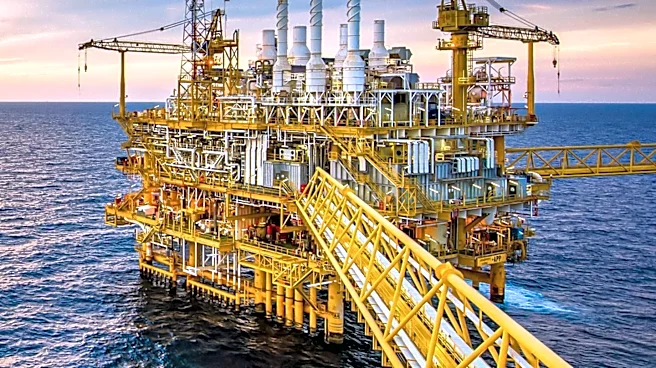
The awarding of these offshore drilling contracts reflects a broader trend in the energy industry where companies are balancing the transition to renewable energy with the continued need for traditional hydrocarbon resources. While there is a global push towards decarbonization, significant investments are still being made in oil and gas exploration, particularly in offshore and deepwater environments. This highlights the complex and gradual nature of the energy transition, where fossil fuels are expected to play a role for decades to come. The projects also carry environmental considerations, as offshore drilling operations require stringent safety and environmental protocols to mitigate risks. The long-term success of such ventures will depend not only on economic viability but also on adherence to evolving environmental standards and stakeholder expectations regarding sustainable energy practices.