








What's Happening?
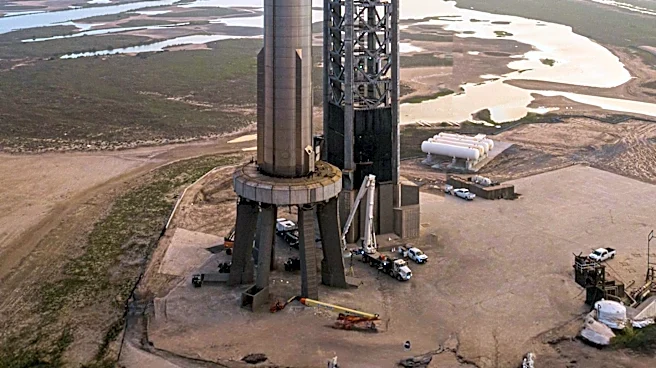
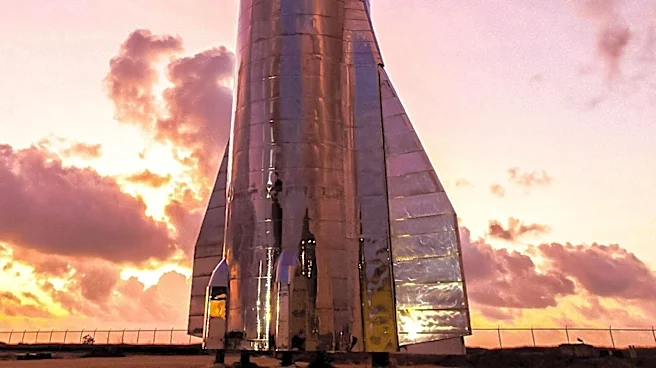
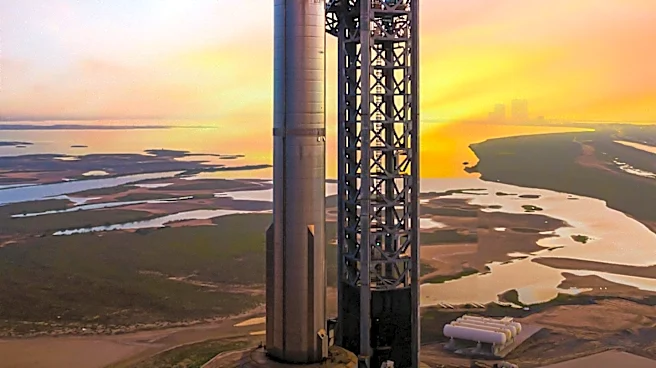
SpaceX is gearing up for its next Starship launch, scheduled for July 16, 2026, from its Starbase site in Texas. This mission, known as Flight 13, aims to test fixes from previous flight issues and deploy 20 functioning Starlink V3 satellites. The launch will
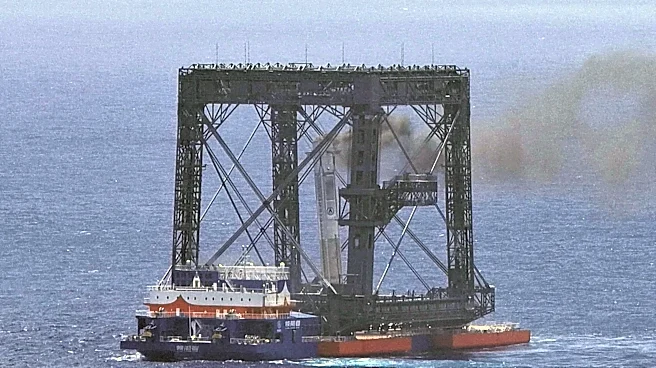
follow a 65-minute suborbital profile similar to the previous Flight 12, which experienced some anomalies, including a failure of the Super Heavy booster to perform a controlled splashdown. SpaceX has made several hardware and operational modifications to address these issues, including improvements to the Raptor engines and the stage separation process. The mission will also test the deployment of solar arrays and antennas on the satellites, which will briefly connect with a South African ground station and other Starlink satellites before reentering the atmosphere.
Why It's Important?
This mission is crucial for SpaceX as it represents a significant step in expanding the Starlink constellation, which aims to provide global internet coverage. The successful deployment of Starlink V3 satellites will enhance the network's capacity and service speeds, offering more than 20 times the capacity of previous launches. Additionally, the mission's success could pave the way for the first orbital launch of Starship, further advancing SpaceX's goals for its lunar lander program under NASA's Artemis campaign. The improvements made to the Starship and its booster are also vital for ensuring the reliability and safety of future missions.
What's Next?
If Flight 13 is successful, SpaceX may proceed with the first orbital launch of Starship, which would be a significant milestone for the company. This would not only advance the deployment of the Starlink constellation but also support SpaceX's ambitions for lunar exploration. The company will continue to refine its technology and address any issues that arise during the mission to ensure the success of future launches. The outcome of this mission will likely influence SpaceX's strategy and timeline for its broader space exploration goals.