

What's Happening?
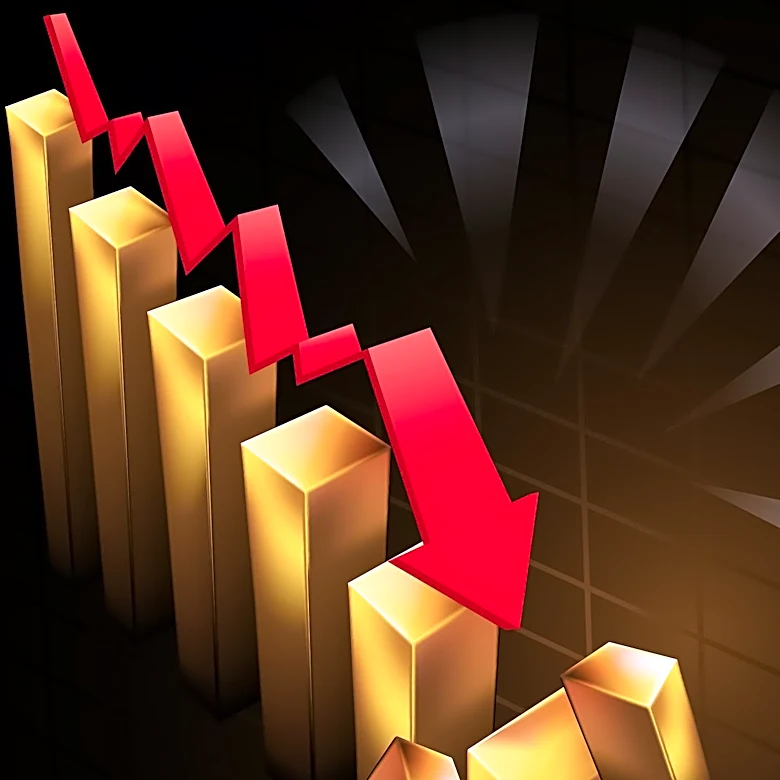
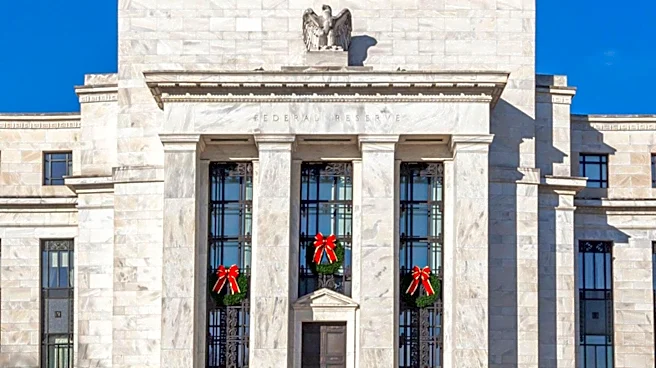
Pershing Square CEO Bill Ackman has issued a warning that the Federal Reserve's continued interest rate hikes could push the U.S. and global economies into a recession. Ackman highlighted that SpaceX, an investment-grade company, recently secured debt
financing at an 8.259% interest rate, a significant increase from the under 6% it paid for unsecured bonds at its IPO. This rise in borrowing costs, approximately 2.4 percentage points in five months, indicates a tightening credit market. Ackman argues that the Fed's persistent efforts to drive inflation down to 2% through rate increases are misguided and will lead to an economic downturn. He suggests that companies heavily reliant on borrowed money for growth, particularly in the AI sector like CoreWeave and Applied Digital, will be among the first to feel the impact. Banks such as Citigroup could also experience adverse effects on their loan books if a recession materializes.
Why It's Important?
Ackman's warning is significant because it comes from a prominent hedge fund manager and underscores growing concerns about the Federal Reserve's monetary policy trajectory. The increasing cost of borrowing, exemplified by SpaceX's recent debt financing, signals a broader tightening of credit conditions across the U.S. economy. This trend could stifle investment and growth, particularly for capital-intensive industries like artificial intelligence, which often rely on debt financing for expansion. If the Fed continues to raise rates, businesses may face higher operational costs, potentially leading to reduced hiring, delayed projects, and decreased profitability. For financial institutions like Citigroup, a downturn could result in increased loan defaults and the need to bolster credit-loss reserves, impacting their financial stability and lending capacity. The debate over whether further rate hikes are necessary to combat inflation or if they pose an undue risk to economic stability is central to current U.S. economic policy discussions.
What's Next?
The Federal Reserve is scheduled to make its next interest rate decision on December 9, with market futures indicating a high probability of another quarter-point hike. Should the Fed proceed with further rate increases, companies that have borrowed heavily, especially those in emerging sectors like AI, are likely to face immediate financial pressure due to higher interest expenses. This could lead to a reevaluation of investment strategies and potentially slower growth in these sectors. Banks like Citigroup will closely monitor economic indicators and adjust their loan loss provisions, with Citigroup's next earnings report on January 14 providing insight into the impact of current economic conditions on its loan book. The ongoing debate between controlling inflation and avoiding a recession will continue to shape the Fed's decisions, with potential implications for various sectors of the U.S. economy.
Beyond the Headlines
The implications of rising interest rates extend beyond immediate corporate balance sheets, potentially triggering broader shifts in economic behavior and investment patterns. Higher borrowing costs could lead to a more conservative approach to capital allocation, favoring established, cash-rich companies over newer, debt-dependent ventures. This might slow innovation in rapidly developing fields like AI, as access to affordable capital becomes more restricted. Furthermore, the increased cost of debt could exacerbate wealth inequality, as those with less access to capital or higher debt burdens face greater financial strain. The Fed's balancing act between inflation control and economic growth also raises questions about the long-term sustainability of current monetary policy tools and their effectiveness in navigating complex economic cycles. The situation highlights the delicate interplay between central bank actions, corporate finance, and overall economic stability.