


What's Happening?
Face sculpting services in Central Harlem, New York City, are providing a range of non-surgical options for individuals seeking to improve facial contour and definition. These services combine skin-focused treatments with various sculpting techniques
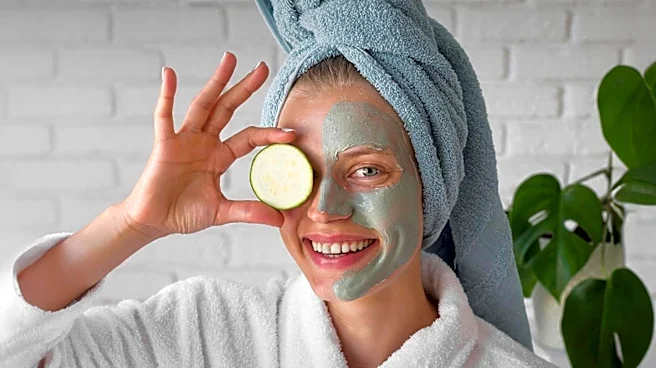
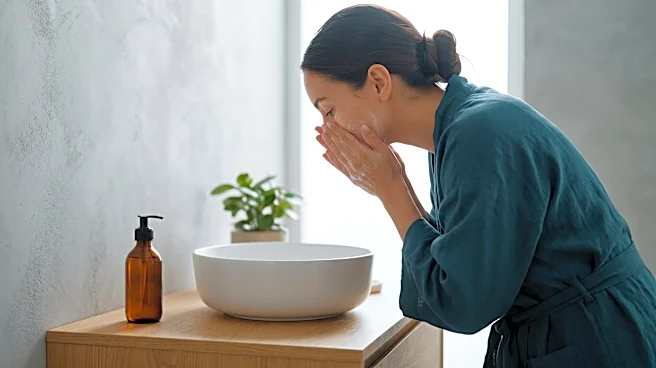
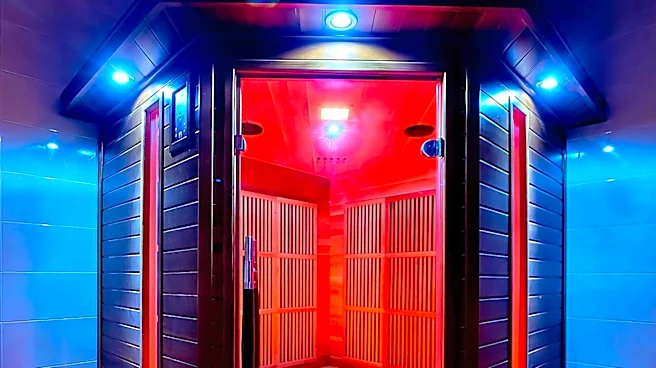
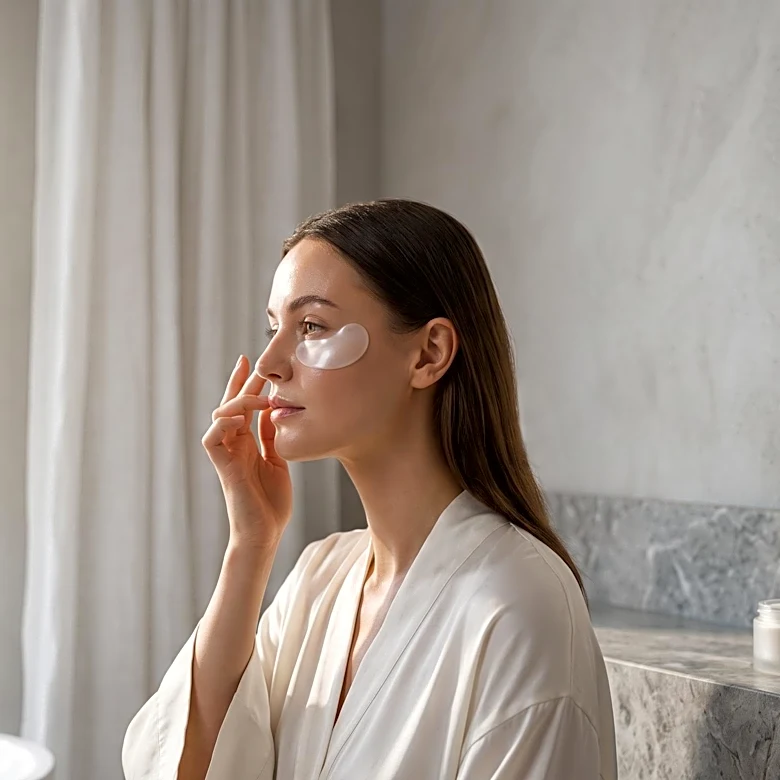
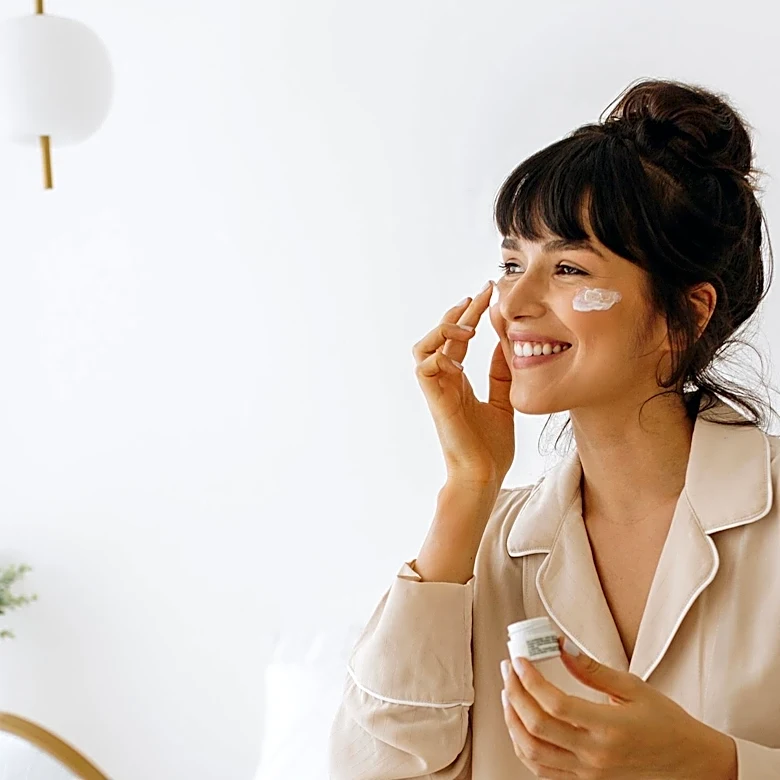
and tools targeting areas like the jawline, cheeks, chin, and neck. Available methods include microcurrent devices, facial cupping, wood therapy techniques, and manual lymphatic drainage. Some advanced options also incorporate radiofrequency (RF) skin tightening, ultrasound waves, anti-aging serums, hydro facial steps, and red light therapy. The goal of these treatments is to address concerns such as puffiness, skin laxity, wrinkles, jowls, and double chins, offering alternatives to surgical procedures. Providers emphasize a personalized approach, considering individual skin history and concerns, especially for darker skin tones, by adjusting device settings and heat levels to ensure safety and effectiveness. The services aim to provide visible results with minimal downtime, catering to clients who desire a refreshed, tighter, and more sculpted appearance.
Why It's Important?
The growing popularity of non-surgical face sculpting in urban centers like Central Harlem reflects a broader trend in the U.S. beauty and wellness industry towards less invasive cosmetic procedures. This shift is significant for several reasons. Firstly, it democratizes access to aesthetic enhancements, making them more attainable for a wider demographic due to lower costs and reduced recovery times compared to surgery. Secondly, it highlights an increasing consumer demand for personalized and adaptable beauty solutions that can fit into busy lifestyles. The emphasis on techniques suitable for darker skin tones also addresses a critical need for inclusivity in the beauty industry, ensuring that advanced treatments are safely and effectively offered to all clients. This trend can stimulate innovation in cosmetic technology and product development, fostering competition and potentially driving down costs, making these services even more accessible. For individuals, these options provide a way to address self-image concerns and boost confidence without the risks and commitments associated with surgical interventions.
What's Next?
The non-surgical face sculpting market is likely to continue its expansion, with further advancements in technology and techniques. We can anticipate the development of more sophisticated devices that offer enhanced precision, greater customization, and even more immediate and long-lasting results. There may also be an increased focus on integrating these treatments with holistic wellness approaches, combining them with dietary advice, stress reduction techniques, and advanced skincare regimens to optimize outcomes. Regulatory bodies might also become more involved in standardizing practices and ensuring the safety and efficacy of new technologies as the market grows. Furthermore, as awareness of these non-invasive options spreads, more beauty and wellness centers across the U.S. are expected to offer similar services, potentially leading to a more competitive landscape and a wider array of choices for consumers. Educational initiatives for both practitioners and clients will be crucial to ensure informed decision-making and realistic expectations regarding the benefits and limitations of these treatments.
Beyond the Headlines
Beyond the immediate aesthetic benefits, the rise of non-surgical face sculpting touches upon deeper societal and psychological implications. It reflects a cultural emphasis on youthfulness and appearance, but also a desire for self-care and personal well-being. The accessibility of these treatments could influence perceptions of aging and beauty standards, potentially fostering a more proactive approach to skin health and maintenance rather than solely corrective measures. There are ethical considerations regarding the promotion of these services, particularly in managing client expectations and ensuring that individuals are seeking treatments for healthy reasons rather than succumbing to unrealistic beauty pressures. The integration of diverse skin tone considerations also underscores a broader movement towards equitable access and representation in the beauty industry, challenging historical biases. Ultimately, these developments could lead to a more nuanced understanding of beauty, where personal choice, safety, and individual well-being are prioritized alongside aesthetic outcomes.