



What's Happening?
The Detroit Auto Show, which began in 1907, has evolved from a local exhibition into a major international automotive event. Initially inspired by the Paris Auto Show, it started at a beer garden near the Belle Isle Bridge and moved to various locations
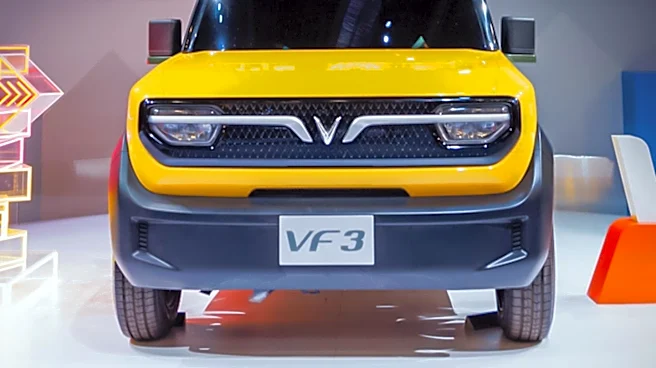
before settling at Cobo Hall in 1965. The show provided a unique opportunity for consumers to compare vehicles from different automakers in one place. As the internet changed car buying, the show shifted focus from sales to creating experiences, featuring concept vehicles and interactive exhibits. In 1989, it was renamed the North American International Auto Show, reflecting its global significance.
Why It's Important?
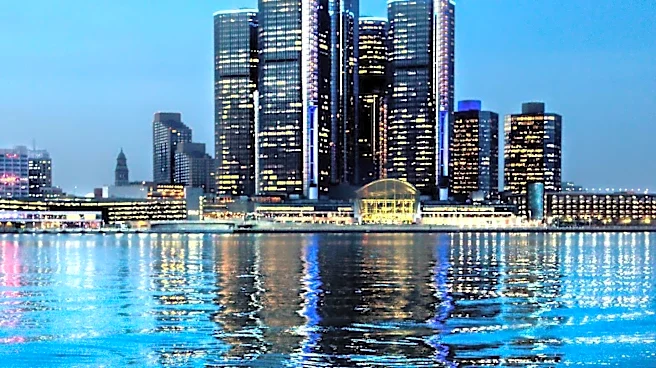
The Detroit Auto Show's transformation highlights the adaptability required to maintain relevance in a changing industry. By evolving from a sales-focused event to an experiential showcase, it has continued to attract global attention and reinforce Detroit's status as the Motor City. The show's ability to adapt to technological advancements and consumer preferences demonstrates the importance of innovation in sustaining long-standing traditions. Its international reach has also helped position Detroit as a key player in the global automotive market, attracting media and manufacturers worldwide.
What's Next?
The Detroit Auto Show continues to adapt to industry trends, focusing on new automotive technologies and consumer experiences. As the automotive industry shifts towards electric and autonomous vehicles, the show is likely to feature more innovations in these areas. The event's ongoing evolution will be crucial in maintaining its status as a premier automotive showcase, providing a platform for manufacturers to debut new technologies and concepts. The show's future will depend on its ability to balance tradition with innovation, ensuring it remains a relevant and influential event in the automotive world.
Beyond the Headlines
The Detroit Auto Show's history reflects broader economic and cultural shifts in the automotive industry. Its evolution from a local event to an international showcase mirrors the globalization of the auto industry and the increasing importance of technology and consumer engagement. The show's ability to adapt to these changes highlights the dynamic nature of the automotive sector and the ongoing need for innovation and flexibility in response to market demands.