





What's Happening?
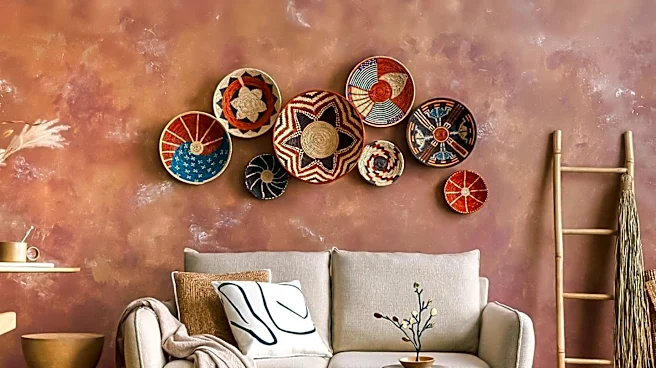
Gallery wall design continues to be a prominent interior trend, integrating various art prints, posters, framed art, and photographs to create visual interest. These installations can range from symmetrically arranged for a calming effect to creatively
chaotic for a dynamic feel. The trend allows for significant personalization, incorporating a mix of formats and sizes, from small prints to large posters, to suit available space and overall interior design styles. Themes often inspire gallery walls, such as collections from a specific artist, a hobby, or even public domain images. For instance, public domain images are increasingly used for creating wall art, offering a vast array of styles from botanical illustrations to vintage maps, which can be adapted for commercial or personal use. These images can be curated into collections, such as sets of botanical prints or bird illustrations, to appeal to buyers looking for cohesive decor.
Why It's Important?
The emphasis on personalized and themed gallery walls reflects a broader shift in consumer preferences towards unique and expressive home decor. This trend impacts the art and home furnishings industries by driving demand for diverse art prints, custom framing options, and curated collections. Businesses that offer customizable framing solutions, like those providing white picture frames in various styles and sizes, stand to benefit. The accessibility of public domain images also democratizes art, allowing individuals and small businesses to create and sell unique wall art without copyright restrictions, fostering a more diverse market. This trend also highlights the importance of digital accessibility, as seen in efforts to make web content accessible for people with various disabilities, including features for font adjustments, color contrast, and animation controls, which can enhance the online shopping experience for art and decor.
What's Next?
The evolution of gallery wall design is likely to continue towards greater integration of digital tools and resources. The use of public domain images is expected to grow, with more platforms offering curated collections for easy access and use. This could lead to an increase in digital wall art downloads, where customers purchase files to print themselves, impacting traditional print and frame businesses. Furthermore, the development of accessible web content, including features for users with visual or motor impairments, will become increasingly crucial for online art retailers to reach a wider audience. We may also see more collaborative events between galleries and institutions, as well as student exhibitions, showcasing innovative approaches to displaying art and influencing future design trends.
Beyond the Headlines
The rise of personalized gallery walls and the utilization of public domain images touch upon deeper cultural and ethical considerations. It underscores a desire for authenticity and self-expression in personal spaces, moving away from mass-produced decor. The use of public domain images also raises questions about the value and accessibility of cultural heritage, making historical art and illustrations available to a broader audience for creative reinterpretation. This trend could also influence educational institutions, encouraging students to explore and adapt historical art in contemporary contexts. The focus on accessibility in web design for art platforms highlights a growing awareness of inclusivity, ensuring that art and design resources are available to individuals with diverse needs, fostering a more equitable creative landscape.