




What's Happening?
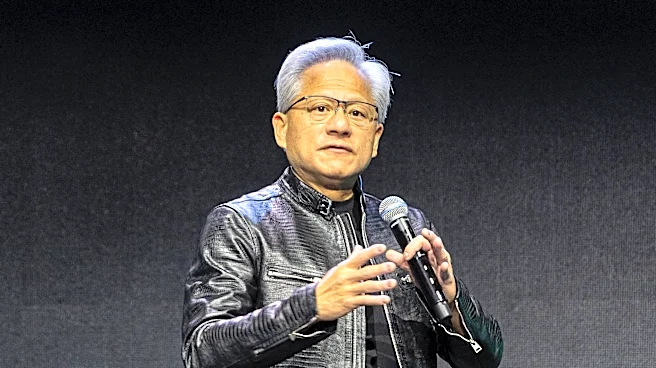
Peter Steinberger of OpenAI is among several prominent industry leaders who are questioning the board's decision to oust Jensen Huang, the CEO of Nvidia, due to personal misconduct allegations. This situation mirrors past instances where CEOs lost their
positions over similar issues, such as Mark Hurd at Hewlett Packard. The scrutiny is now extending beyond Huang's behavior to the Nvidia board's actions and the rationale behind their decision. An internal petition, reportedly signed by over 1,600 Nvidia employees, also calls for Huang's reinstatement, indicating significant internal dissent regarding the board's move.
Why It's Important?
The questioning of Nvidia CEO Jensen Huang's ouster by prominent figures like Peter Steinberger of OpenAI highlights a critical debate within the U.S. corporate landscape regarding corporate governance, CEO accountability, and the role of boards of directors. This event underscores the increasing scrutiny boards face when making decisions related to executive misconduct, especially when the CEO is a founder and central to the company's success. For the U.S. business sector, this situation could influence future corporate governance practices, potentially leading to more transparent decision-making processes or revised policies concerning executive behavior. It also brings to light the tension between protecting a company's reputation and retaining a high-performing leader, impacting investor confidence and employee morale across the tech industry. The involvement of other industry leaders suggests a broader concern about the precedent set by such high-profile dismissals.
What's Next?
The immediate aftermath of Jensen Huang's ouster will likely involve continued scrutiny of Nvidia's board of directors and their decision-making process. The internal petition from employees and the public questioning by industry leaders like Peter Steinberger could pressure the board to provide further clarification or justification for their actions. This situation may also prompt other U.S. corporations to review their own executive conduct policies and succession planning strategies. Depending on the ongoing public and internal reactions, there could be calls for changes in board composition or greater transparency in corporate governance. The long-term implications for Nvidia will depend on how the company navigates this leadership transition and addresses the concerns raised by stakeholders.
Beyond the Headlines
The controversy surrounding Jensen Huang's departure, with figures like Peter Steinberger weighing in, delves into the complex ethical and cultural dimensions of corporate leadership in the U.S. tech industry. It highlights the evolving standards of personal conduct expected from CEOs and the increasing intolerance for misconduct, even from highly successful founders. This situation also brings to the forefront the power dynamics between a charismatic founder-CEO and the corporate board, and the challenges boards face in asserting authority, particularly when a leader is perceived as indispensable. The debate extends to the very definition of corporate culture and whether a CEO's personal actions can fundamentally undermine an organization's values and reputation. This event could trigger broader discussions about the 'founder worship' phenomenon in Silicon Valley and the need for robust governance structures that prioritize long-term organizational health over individual brilliance, potentially leading to a re-evaluation of leadership models across the U.S. business landscape.