



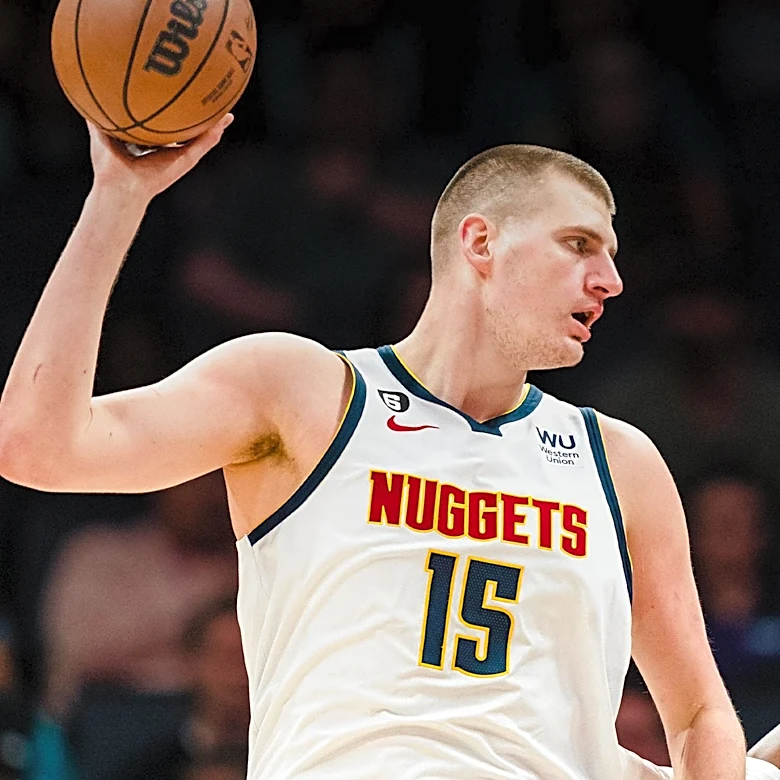
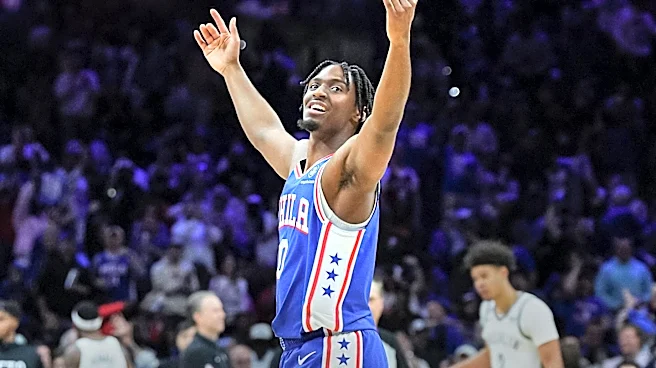

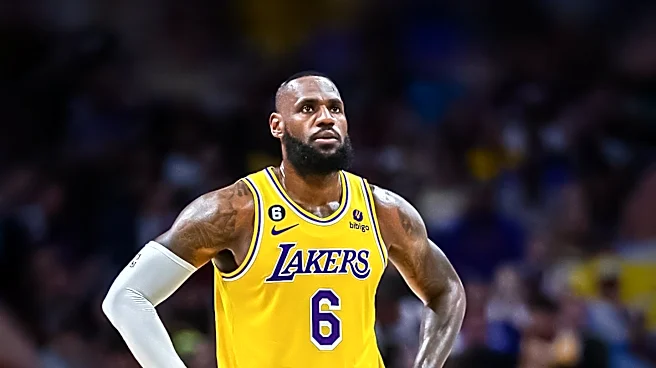
What's Happening?
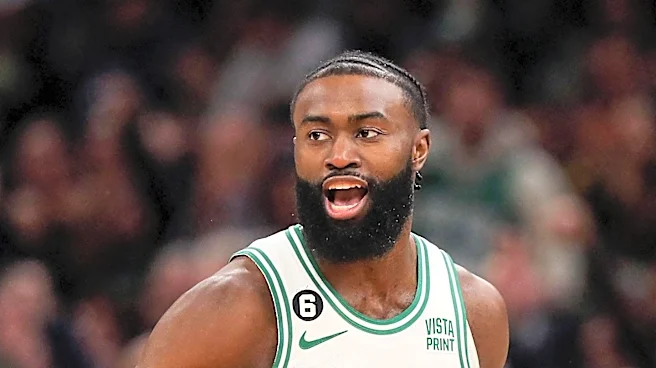
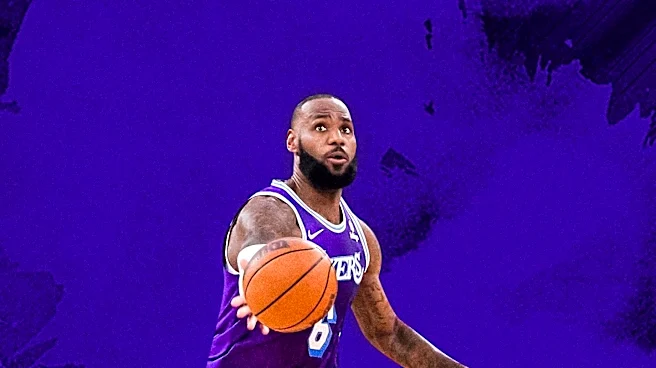
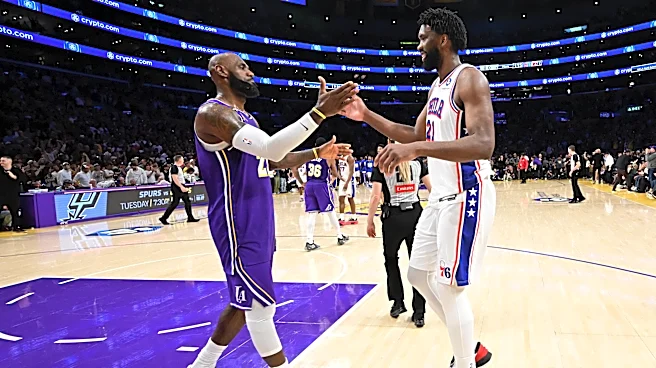
LeBron James has signed with the Philadelphia 76ers, joining forces with Joel Embiid, Tyrese Maxey, and Jaylen Brown to form what is being called the fourth 'super team' of his career. This move positions James for a potential fifth NBA championship,
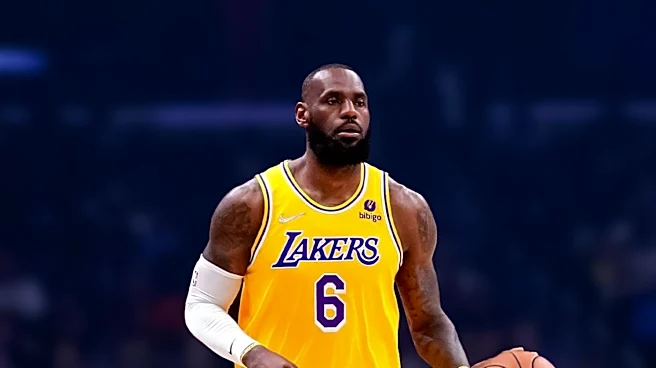
reigniting discussions about the nature of his legacy and the cost of success in the NBA. Historically, James has been known for creating teams with stacked talent, starting with the Miami Heat in 2010, followed by his return to Cleveland in 2014, and the Los Angeles Lakers in 2019. His latest move to Philadelphia is seen by some as a continuation of this pattern, where he consolidates elite talent to increase his chances of winning titles.
Why It's Important?
The decision by LeBron James to join the 76ers has significant implications for the NBA landscape. It challenges the current trend towards parity in the league, as the formation of another super team could lead to predictable dominance, which some fans and analysts find tiresome. This move also impacts James' legacy, as it invites comparisons to Michael Jordan, who won six championships with a single franchise. Critics argue that James' approach of joining established contenders diminishes the value of his championships compared to those won by players who stayed with one team. However, supporters highlight his ability to transform any team into a contender as a testament to his leadership and adaptability.
What's Next?
As the 2026 NBA season begins, all eyes will be on the Philadelphia 76ers to see if they can capitalize on their new roster and secure a championship. Success would further cement LeBron James' legacy as a transformative player capable of leading multiple teams to titles. However, failure could reinforce the narrative that he relies on stacked teams to win. The outcome of this season will likely influence future discussions about the value of super teams and the criteria for evaluating a player's legacy in the NBA.
Beyond the Headlines
The formation of another super team raises questions about the NBA's competitive balance and the league's ability to maintain fan interest. While super teams can drive ratings and generate excitement, they can also lead to a lack of competition, which may alienate some fans. Additionally, this move highlights the evolving nature of player agency in the NBA, where top players have significant influence over team compositions and career trajectories.