



What's Happening?
Rio Tinto (RIO), a global diversified mining company, is currently facing pressure on its share prices due to multi-year lows in iron ore prices and a softening in copper prices. Despite these market conditions, the company's operational metrics have
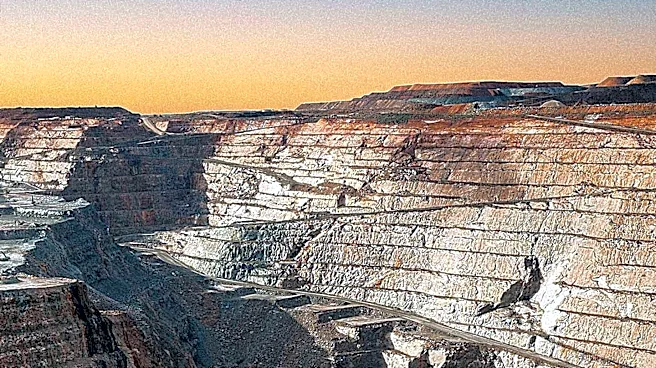
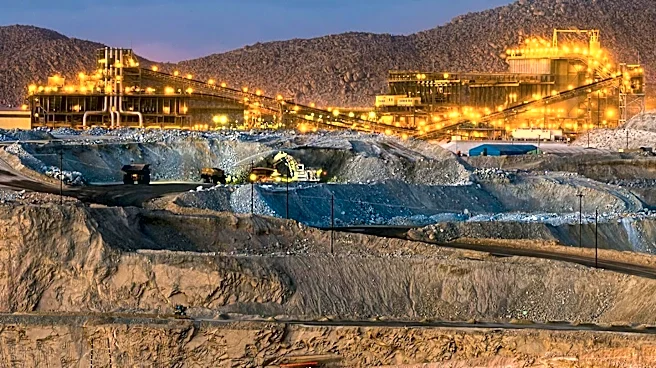
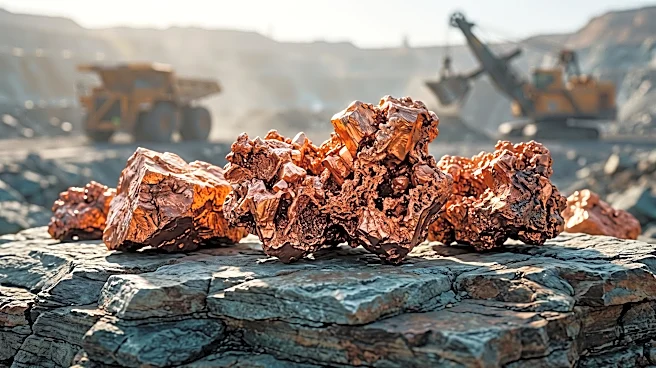
remained robust. Iron ore continues to be the primary driver of earnings, contributing approximately 50% to 60% of its revenue. However, Rio Tinto's expanding copper business, particularly with the ramp-up of the Oyu Tolgoi underground mine in Mongolia, is emerging as a significant area for growth. China accounts for about 60% of Rio Tinto's total sales. The latest quarterly update from the company indicated year-over-year growth in global iron ore sales and a notable 27% increase in copper production, directly linked to the progress at the Oyu Tolgoi underground project. Analysts have largely maintained constructive ratings for Rio Tinto, citing its diversified asset portfolio and what they consider a reasonable valuation. The company's dividend yield and its commitment to capital discipline have also been highlighted as positive attributes during the current market downturn.
Why It's Important?
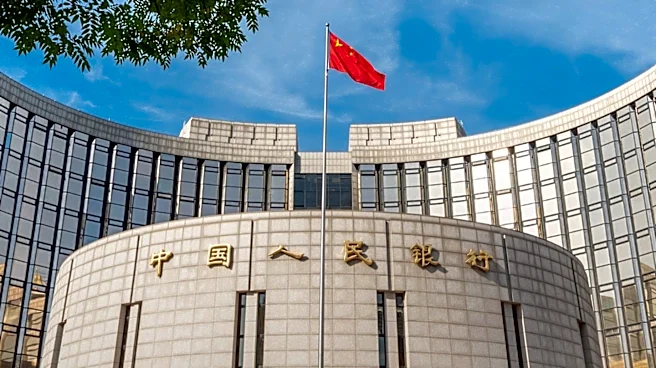
Rio Tinto's strategy of diversification, particularly its focus on expanding copper output, is crucial in mitigating the impact of volatile commodity markets on its financial performance. As iron ore prices experience a downturn, the growth in copper production provides a vital buffer, stabilizing revenue streams and demonstrating resilience. This approach is significant for investors seeking stability in the mining sector, as it reduces the company's sole reliance on a single commodity. The company's strong operational performance, even amidst challenging market conditions, underscores the effectiveness of its strategic investments in growth areas like copper. Furthermore, Rio Tinto's capital discipline and dividend yield are attractive to shareholders, signaling a commitment to returning value even during periods of market pressure. The company's substantial exposure to the Chinese market, accounting for 60% of sales, also means its performance is a key indicator of industrial demand trends in the world's second-largest economy, impacting global supply chains and commodity markets.
What's Next?
Rio Tinto is expected to continue leveraging its diversified portfolio to navigate ongoing fluctuations in commodity prices. The company's focus on scaling high-value copper output and other energy-transition assets suggests a strategic shift towards commodities with growing demand in the global push for decarbonization. This includes continued development and ramp-up of projects like the Oyu Tolgoi underground mine, which will further bolster its copper production capabilities. Investors will likely monitor iron ore price movements and Chinese industrial demand closely, given China's significant contribution to Rio Tinto's sales. The company's ability to maintain capital discipline and a competitive dividend yield will also be key factors influencing investor sentiment. Future quarterly reports will provide further insights into the performance of its diversified segments and the effectiveness of its growth strategies in a dynamic global market.
Beyond the Headlines
The strategic direction of Rio Tinto, emphasizing diversification into copper and other energy-transition minerals, reflects a broader industry trend driven by global decarbonization efforts. As the world shifts towards renewable energy and electric vehicles, demand for copper, lithium, and other critical minerals is projected to surge. Rio Tinto's proactive investment in these areas positions it to capitalize on long-term structural changes in the global economy, moving beyond traditional reliance on iron ore. This strategic pivot also carries implications for geopolitical dynamics, as access to these critical minerals becomes increasingly important for national economies and technological advancement. The company's operations in regions like Mongolia for copper highlight the global nature of resource extraction and the complex interplay between corporate strategy, environmental considerations, and international relations. This long-term vision could reshape Rio Tinto's market position and influence within the global mining industry.