



What's Happening?
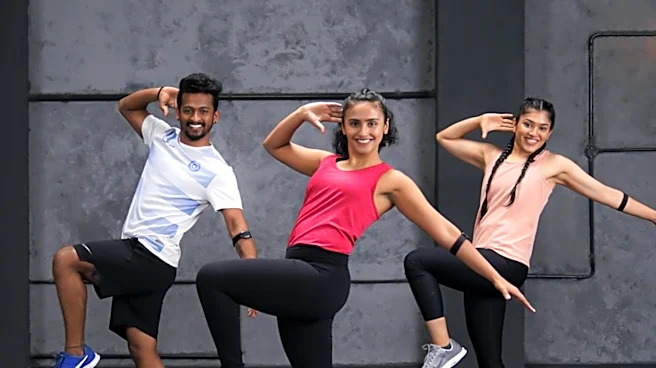
Tracy Anderson's 'Dance Cardio Workout' is a fitness program that combines high-energy dance movements with structured cardio exercises. This program is designed to improve cardiovascular health, promote muscle toning, and boost overall mood and confidence.
Anderson, known for her innovative approach to fitness, aims to make the workout accessible to individuals across various fitness levels, offering a versatile option for those seeking to integrate more movement into their routines without the monotony often associated with traditional cardio. The program emphasizes enjoyment and self-expression through dance, rather than just calorie burning. It incorporates elements from diverse dance styles, including jazz, hip-hop, Latin, and contemporary, to provide dynamic movements that challenge the body. The core principles of Anderson's approach focus on alignment, controlled movement, and mindful engagement of muscle groups to maximize effectiveness and minimize injury risk. The workout encourages participants to move freely and without self-judgment, highlighting that the goal is personal enjoyment and expression.
Why It's Important?
The increasing popularity of dance-based fitness programs like Tracy Anderson's 'Dance Cardio Workout' reflects a broader trend in the U.S. fitness industry towards more engaging and holistic exercise options. This shift is significant because it addresses the common challenge of maintaining motivation in fitness routines by integrating elements of fun and self-expression. For individuals, such programs offer a way to achieve physical health benefits, including improved coordination, agility, and endurance, while also contributing to mental well-being by reducing stress and elevating mood. The emphasis on accessibility across fitness levels means a wider demographic can participate, potentially leading to improved public health outcomes. From an economic perspective, the success of these programs can drive innovation in the fitness sector, creating new opportunities for instructors, studios, and related businesses. The focus on mindful movement and injury prevention also highlights a growing consumer demand for safer and more sustainable exercise practices, influencing how fitness programs are designed and marketed nationwide.
What's Next?
The continued evolution of dance cardio workouts, exemplified by Tracy Anderson's program, suggests a future where fitness is increasingly personalized and integrated with mental wellness. We can anticipate further development in virtual and hybrid class formats, making these workouts even more accessible to a broader audience across the U.S. As the demand for enjoyable and effective exercise grows, more fitness professionals may adopt similar methodologies, leading to a diversification of dance styles and workout structures available. There will likely be an increased focus on the scientific backing of these methods, with more research exploring the combined physical and psychological benefits of dance. Additionally, the community aspect often fostered by dance workouts could see expansion, with more group settings and online communities forming to support participants. This trend could also influence corporate wellness programs, as companies look for engaging ways to promote employee health and reduce stress, potentially leading to wider adoption of dance-based fitness in workplace environments.
Beyond the Headlines
Beyond the immediate fitness benefits, the rise of dance cardio workouts like Tracy Anderson's program touches upon deeper cultural and psychological implications. These workouts offer a space for individuals to reconnect with their bodies and express themselves creatively, which can be particularly impactful in a society often characterized by sedentary lifestyles and digital disconnection. The emphasis on 'letting go of self-judgment' and 'enjoyment' challenges conventional, often rigid, notions of exercise that prioritize strenuous effort over intrinsic pleasure. This shift can foster a more positive relationship with physical activity, moving away from exercise as a chore towards it being a source of joy and empowerment. Furthermore, by incorporating diverse dance styles, these programs subtly promote cultural appreciation and inclusivity, exposing participants to rhythms and movements from various traditions. This blend of physical activity, mental well-being, and cultural engagement positions dance cardio as more than just a workout; it becomes a holistic practice that nurtures the body, mind, and spirit, contributing to a more vibrant and connected society.