
What's Happening?
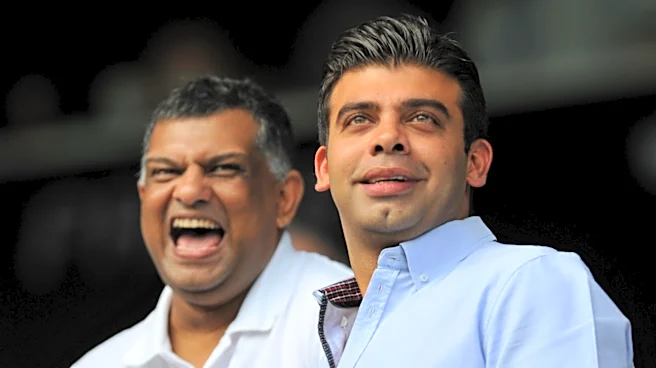
Amazon founder Jeff Bezos is reportedly in discussions to join a consortium led by Amit Bhatia, former co-owner of Queens Park Rangers, to acquire a 30% stake in Liverpool FC. The consortium, backed by the
Mittal family, has made a provisional offer of £1.35 billion to Fenway Sports Group (FSG), valuing the club at approximately $6 billion. FSG, a US-based company, has confirmed the talks, indicating that the investment would be a strategic minority stake. This move follows a previous deal where FSG sold a small stake to US private equity firm Dynasty Equity. The potential involvement of Bezos, who has previously explored bids for NFL teams, highlights the increasing interest of American investors in English football.
Why It's Important?
The potential investment by Jeff Bezos in Liverpool FC underscores the growing trend of American financial involvement in the English Premier League. This move could significantly impact the club's financial strategy, potentially providing funds for debt reduction and capital expenditure. For Bezos, this investment represents an opportunity to diversify his portfolio and gain a foothold in the lucrative sports industry. For Liverpool, the influx of capital could enhance their competitive edge in player acquisitions and infrastructure development. The deal, if successful, would also set a precedent for high valuations of football clubs, reflecting the global appeal and financial potential of the Premier League.
What's Next?
If the deal proceeds, it could lead to further speculation about Fenway Sports Group's long-term plans for Liverpool FC. While FSG has stated there are no immediate plans to relinquish control, the sale of a significant minority stake could be a step towards a future exit strategy. The involvement of Bezos might also attract additional high-profile investors to the Premier League, potentially increasing competition among clubs for top talent. Stakeholders, including fans and analysts, will be closely monitoring the developments, as the deal could influence Liverpool's strategic direction and financial health in the coming years.