







What's Happening?
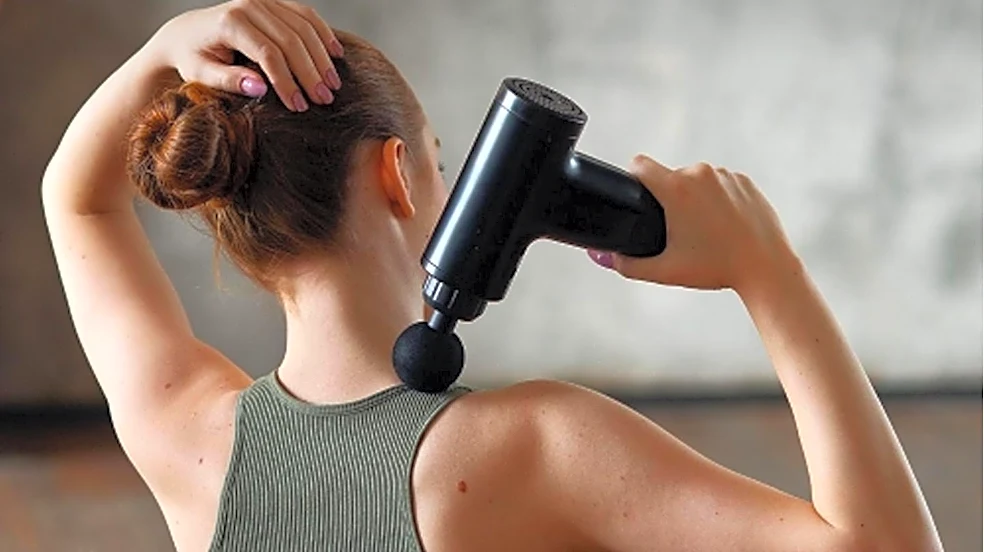
Massage guns provide percussive and vibrational stimulation to muscles, aiming to reduce tension, soreness, and aid recovery. These devices can be utilized both before and after physical activity to alleviate muscle stiffness and enhance comfort. While
current evidence suggests that massage guns may offer temporary relief from muscle discomfort, their effectiveness is maximized when integrated into a comprehensive wellness and recovery regimen. This regimen typically includes consistent exercise, adequate sleep, proper hydration, and balanced nutrition. However, it is crucial to recognize that massage guns are not universally suitable for everyone. Individuals with specific medical conditions or injuries should exercise caution and consult with a healthcare professional before incorporating these devices into their routine. For instance, using massage guns directly over bones, nerves, joints, or fresh injuries with significant pain or swelling is not recommended. The sensation provided by massage guns is distinct from electrical stimulation devices like TENS units, which use electrodes to deliver electrical pulses for pain relief.
Why It's Important?
The increasing popularity of massage guns highlights a growing public interest in accessible tools for muscle recovery and pain management. For individuals engaged in regular physical activity, these devices offer a convenient way to address post-exercise soreness and improve muscle flexibility, potentially contributing to better athletic performance and reduced risk of injury. However, the importance of understanding their limitations and proper usage cannot be overstated. Misuse, especially in the presence of underlying medical conditions or injuries like hip bursitis, can exacerbate symptoms or lead to further complications. This underscores the need for informed decision-making and, when in doubt, professional medical advice. The market for recovery tools is expanding, and consumers need clear guidance to differentiate between various devices and understand their appropriate applications to ensure safe and effective use, preventing potential harm and maximizing therapeutic benefits.
What's Next?
As the market for personal wellness and recovery devices continues to grow, further research is anticipated to more definitively establish the long-term benefits and optimal usage protocols for massage guns. Consumers can expect to see continued innovation in device design, potentially offering more targeted applications and enhanced safety features. Healthcare professionals will likely continue to refine guidelines for their use, especially in conjunction with physical therapy and rehabilitation programs. For individuals considering a massage gun, the next step involves consulting with a doctor or physical therapist, particularly if they have pre-existing conditions, are on medication, or are dealing with an acute injury. This consultation will help determine if a massage gun is appropriate for their specific needs and how to use it safely and effectively as part of a broader health and recovery strategy.
Beyond the Headlines
The widespread adoption of massage guns reflects a broader societal trend towards self-care and the democratization of wellness tools. While these devices offer immediate, tangible benefits for muscle discomfort, their integration into daily routines also raises questions about the balance between self-treatment and professional medical care. There's a subtle shift where individuals are taking more active roles in managing their physical well-being, often seeking immediate solutions for discomfort. This trend necessitates a greater emphasis on consumer education regarding the appropriate use of such tools, distinguishing between temporary relief and addressing underlying issues. Furthermore, the ethical implications of marketing these devices without clear warnings or guidance for vulnerable populations, such as those with chronic pain or specific medical conditions, warrant ongoing discussion. The long-term impact on healthcare systems, as individuals increasingly self-manage minor ailments, could be significant, potentially reducing the burden on primary care for routine muscle soreness but also increasing the risk of delayed diagnosis for more serious conditions if self-treatment is prioritized over professional consultation.