





What's Happening?
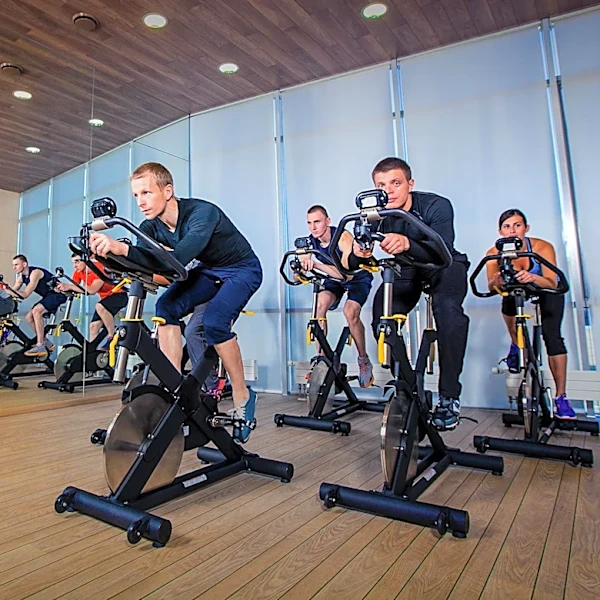
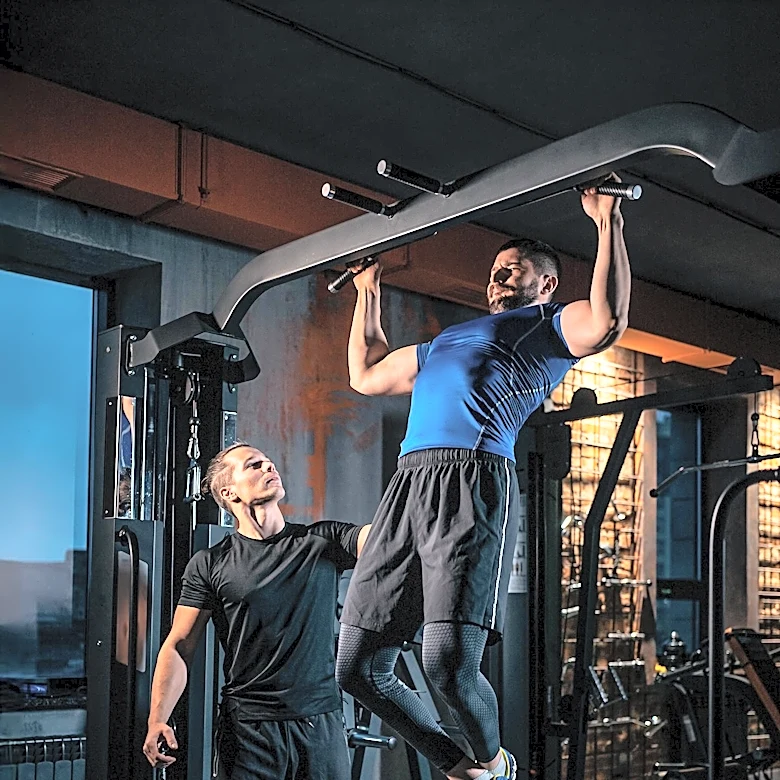
Circuit training is a workout methodology that integrates strength exercises with cardiovascular elements to simultaneously build strength and endurance. This approach involves moving through a series of strength-focused exercises while maintaining an elevated
heart rate, engaging various muscle groups. The method is designed to be efficient, allowing individuals to achieve significant fitness benefits in less time compared to traditional separate strength and cardio sessions. It is adaptable for all fitness levels, with modifications available for beginners and experienced athletes alike. Circuit training can utilize diverse equipment, including free weights, machines, or bodyweight exercises, making it a versatile option for a comprehensive fitness routine. This training style is often recommended as a complement to other forms of exercise, such as flexibility and High-Intensity Interval Training (HIIT), to ensure a well-rounded fitness regimen.
Why It's Important?
The integration of strength and cardio in circuit training offers a highly effective and time-efficient solution for improving overall physical fitness. For individuals with demanding schedules, this method allows for comprehensive workouts that target multiple fitness components in a single session, maximizing results. The continuous movement and varied exercises help prevent plateaus and maintain engagement, which can lead to greater adherence to fitness programs. By building both muscular strength and cardiovascular endurance, participants can enhance their functional fitness, improving their ability to perform daily activities and reducing the risk of injury. This approach is particularly beneficial for those seeking to boost their metabolism, improve body composition, and increase their work capacity, as it challenges the body in ways that steady-state exercise often cannot. The adaptability of circuit training also makes it accessible to a broad audience, from fitness novices to seasoned athletes, promoting widespread health and wellness.
What's Next?
As the understanding of efficient and integrated fitness methodologies grows, circuit training is likely to see continued adoption and innovation. Fitness programs and facilities may increasingly incorporate circuit-based classes and personalized training plans to cater to diverse client needs and fitness goals. The development of new exercise equipment and digital platforms could further enhance the accessibility and customization of circuit training, allowing individuals to engage in these workouts from various locations. There may also be a trend towards more specialized circuit training programs tailored for specific populations or objectives, such as athletic performance enhancement, rehabilitation, or stress reduction. Educational initiatives promoting the benefits of combined strength and cardio training could also expand, encouraging more people to integrate circuit training into their regular routines for improved long-term health outcomes.
Beyond the Headlines
Beyond its immediate physical benefits, circuit training fosters mental resilience and discipline. The sustained effort required to move through a series of exercises with minimal rest periods challenges individuals to push past perceived limits, building mental toughness that can translate to other areas of life. This aspect is particularly valuable in martial arts and combat sports, where the ability to perform under fatigue is crucial. Furthermore, participating in group circuit training classes can cultivate a sense of community and accountability, as individuals motivate each other to achieve shared fitness goals. This social dimension can significantly enhance adherence to exercise programs and contribute to overall well-being. The emphasis on functional movements in many circuit training routines also promotes better body mechanics and coordination, which are essential for preventing injuries and maintaining an active lifestyle as one ages. Thus, circuit training offers a holistic approach to fitness, addressing physical, mental, and social aspects of health.