







What's Happening?
Walmart is actively integrating artificial intelligence (AI) agents into its e-commerce platform by launching an 'Agent Gateway' and introducing new features designed to manage transactions and enhance customer control. This initiative allows approved
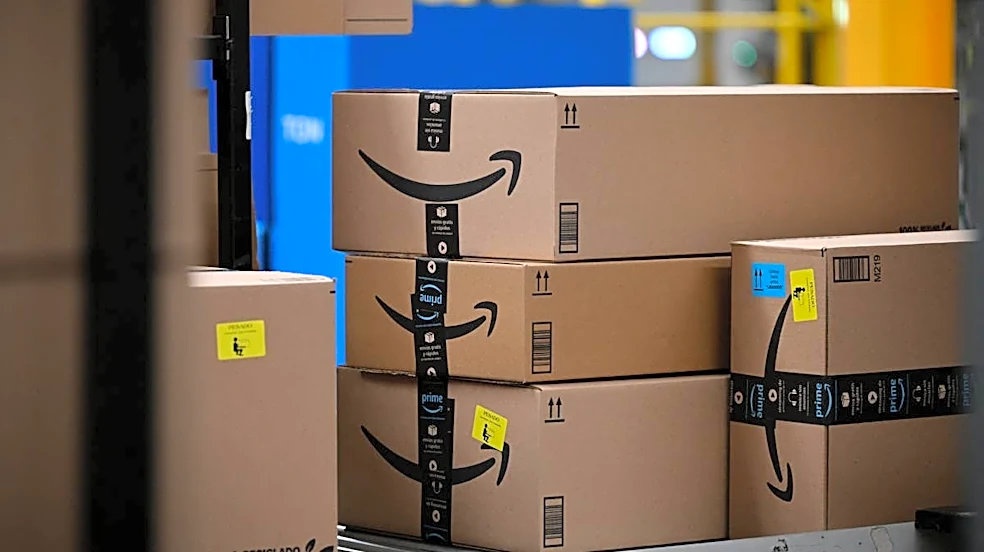
AI agents to connect to Walmart's systems via the Model Context Protocol (MCP), enabling them to search inventory and make purchases on behalf of users. Walmart President and CEO John Furner announced these developments, emphasizing the company's preparation for a future where AI agents are mainstream. This strategy stands in stark contrast to Amazon, which has recently begun blocking AI agents from making purchases on its site. Walmart's new features include 'Agent Profiles' for tracking agent-initiated purchases separately and allowing customers to set spending limits or require approval for transactions.
Why It's Important?
Walmart's embrace of AI agents marks a significant divergence in strategy from its major competitor, Amazon, and other online retailers that have opted to block such technologies. This move could position Walmart as a leader in agentic commerce, potentially attracting a new segment of tech-savvy consumers who utilize AI for shopping. By providing robust controls and clear terms for AI agent operation, including the applicability of its standard returns process, Walmart aims to build consumer trust and mitigate concerns about misbehaving agents. This approach could accelerate the adoption of AI agents in retail, influencing how other businesses interact with these emerging technologies. The success or failure of Walmart's strategy could set a precedent for the broader e-commerce industry, impacting customer expectations and the competitive landscape.
What's Next?
Walmart plans to roll out 'Agent Profiles' next month, which will allow customers to authorize and link AI agents to their accounts, providing dedicated profiles for tracking purchases and setting controls. The company will continue to enforce its terms for AI agents, blocking any that do not comply. This proactive stance suggests further development and integration of AI technologies into Walmart's retail operations. Other retailers will likely observe Walmart's progress closely, potentially leading to a re-evaluation of their own AI agent policies. The ongoing competition between Walmart and Amazon in this space could drive innovation and force both companies to adapt their strategies to meet evolving consumer demands and technological advancements in AI.
Beyond the Headlines
Walmart's decision to welcome AI agents highlights a fundamental debate within the retail industry about the future of automated commerce and customer interaction. By providing a structured environment for AI agents, Walmart is not just adopting a new technology but is also shaping the ethical and practical framework for its use. The emphasis on customer control, data privacy (agents cannot access payment information directly), and clear return policies addresses key concerns that could otherwise hinder the widespread adoption of agentic commerce. This approach could foster a more transparent and trustworthy ecosystem for AI-driven shopping, potentially influencing consumer behavior and expectations across various digital platforms. The long-term implications include a shift in how consumers discover, compare, and purchase products, with AI agents becoming increasingly sophisticated personal shopping assistants.