







What's Happening?
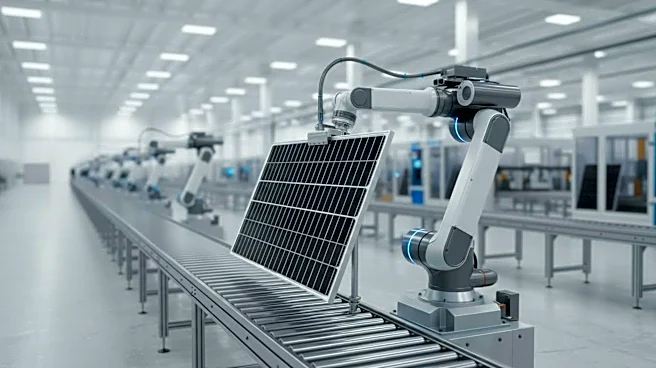
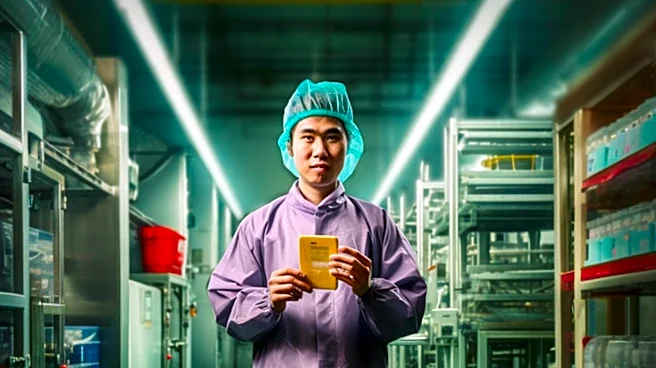
Offgrid Energy Labs has launched its first ZincGel battery pilot manufacturing facility in Hook, Hampshire, UK. This facility marks the commercial debut of the company's zinc-bromine battery technology, developed in India. The 10 MWh pilot line aims to
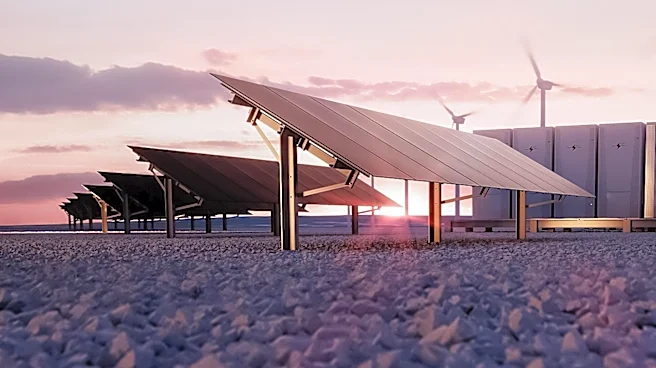
accelerate the adoption of safe, long-duration energy storage solutions globally. The launch is part of India's broader strategy to enhance energy sovereignty and reduce reliance on lithium-based technologies. The ZincGel platform offers a non-flammable, long-duration storage solution, designed for infrastructure-scale applications such as renewable integration and industrial backup. This development aligns with India's goal to achieve 500 GW of non-fossil fuel capacity by 2030.
Why It's Important?
The establishment of the ZincGel battery facility is significant as it represents a shift towards diversifying global battery supply chains beyond lithium. This move is crucial for enhancing energy security and supporting the transition to low-carbon energy systems. For India, the development of non-lithium storage platforms is a strategic opportunity to strengthen technological self-reliance and long-term energy sovereignty. The ZincGel technology, with its safety and scalability features, positions Offgrid Energy Labs as a key player in the global energy storage market. This initiative also reflects the growing importance of India-UK collaborations in advancing renewable energy technologies.
What's Next?
Offgrid Energy Labs plans to leverage its UK facility to serve global markets and demonstrate the viability of its ZincGel technology. The company aims to expand its manufacturing capabilities and establish a globally competitive battery technology footprint. As countries continue to scale renewable energy deployment, the demand for alternative battery chemistries like zinc-based systems is expected to rise. Offgrid's focus will be on building strategic partnerships and securing supply chain resilience to support its growth and commercialization efforts. The success of this facility could pave the way for further international collaborations and investments in non-lithium battery technologies.