







What's Happening?
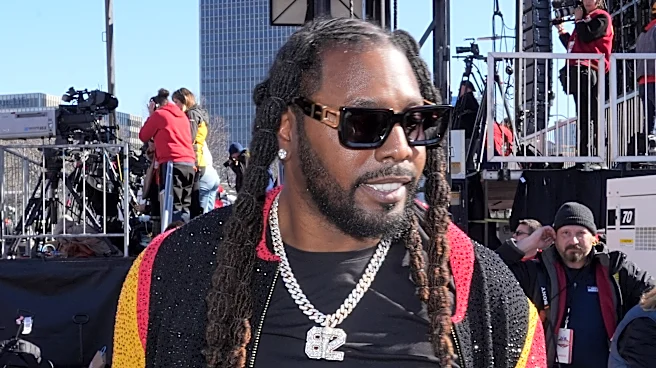
Kansas City Chiefs tight end Travis Kelce recently won the Walter Payton NFL Man of the Year Charity Challenge for the third time, securing a $35,000 donation. Instead of allocating these funds to his personal foundation, Eighty-Seven and Running, Kelce chose
to direct the prize money to Operation Breakthrough, a Kansas City nonprofit. This decision comes as Kelce's own foundation faces questions regarding its financial reporting, governance, and spending practices. Operation Breakthrough, which supports children and families in poverty through education and emergency assistance, has a well-established structure and, according to its latest tax records, spent approximately 83 cents of every dollar on charitable programs over a three-year period. Kelce has a long-standing relationship with Operation Breakthrough, having worked with them since his rookie season in 2015, and has contributed nearly $2 million through personal gifts and directed funding over the years. The $35,000 award follows a significant donation of $250,000 to Operation Breakthrough by Taylor Swift.
Why It's Important?
This development highlights the increasing scrutiny on athlete-led charitable foundations and the importance of transparency and effective financial management in maintaining public trust. By directing his prize to Operation Breakthrough, Kelce is ensuring that the funds directly benefit a reputable organization with a proven track record of charitable spending, especially at a time when his own foundation is addressing financial concerns. This move could set a precedent for other public figures to prioritize established, transparent charities, particularly when their own philanthropic endeavors are under review. The involvement of high-profile individuals like Kelce and Taylor Swift also brings significant attention and potential funding to local community initiatives like Operation Breakthrough, amplifying their impact on vulnerable populations in Kansas City. The situation underscores the need for robust governance and accurate financial reporting within charitable organizations to ensure donor confidence and maximize the impact of their contributions.
What's Next?
Eighty-Seven and Running is actively working to address the concerns raised by a review of its federal tax records. The foundation's co-founder, Aaron Eanes, stated that previous tax filings incorrectly categorized expenses and that the organization has since corrected its reporting practices. Management fees, which were a point of contention, significantly decreased in 2024 and were eliminated in 2025. The foundation also plans to expand its board and incorporate nonprofit advisers to enhance its governance and operational transparency. For Travis Kelce, sending the recent prize to Operation Breakthrough provides an immediate and direct channel for the funds to reach beneficiaries while his own foundation undergoes these internal changes and improvements. The ongoing efforts to reform Eighty-Seven and Running's financial practices will be crucial in restoring public confidence and ensuring its long-term viability as a charitable entity.
Beyond the Headlines
The situation surrounding Travis Kelce's foundation and his decision to support Operation Breakthrough delves into the broader ethical and operational challenges faced by celebrity-backed charities. While these foundations often garner significant public attention and donations, they can also be susceptible to issues of oversight, financial transparency, and effective program delivery. The scrutiny of Eighty-Seven and Running's spending, particularly the allocation of funds to charitable activities versus administrative costs, raises questions about the fiduciary responsibilities of foundation leadership. Kelce's choice to direct his prize elsewhere, even as his own foundation works to rectify its issues, reflects a pragmatic approach to ensuring immediate impact and maintaining public trust. This incident could prompt a wider conversation within the sports and entertainment industries about best practices for charitable giving and the importance of partnering with or modeling after established nonprofit organizations to maximize social good.