


What's Happening?
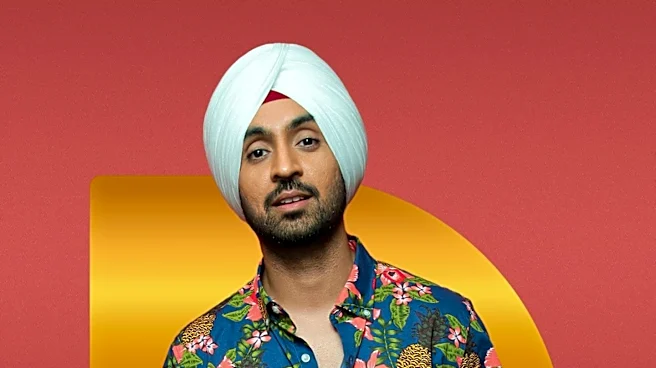
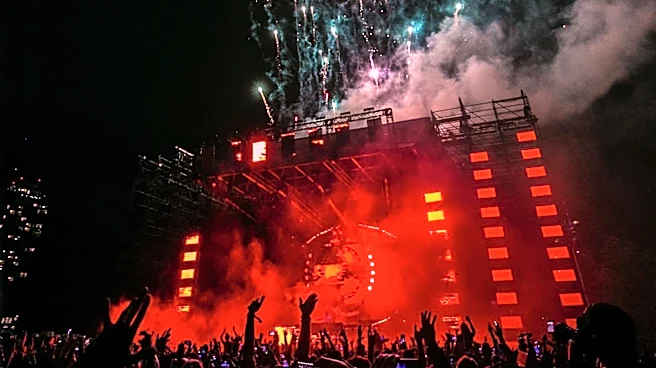
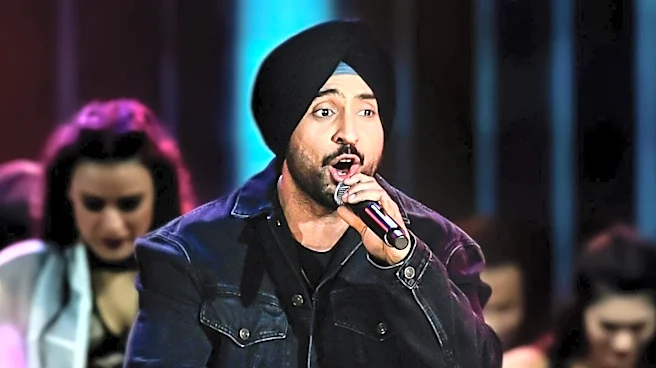
Chandigarh-based Professor Dr. Punditrao Dharennavar has challenged singer Diljit Dosanjh's assertion of 'double standards' regarding objections to song lyrics. Dosanjh, during his November 21 concert in Ahmedabad, questioned why his songs faced scrutiny
for lyrics allegedly promoting alcohol, drugs, and gun culture, while international artists like Coldplay performing 'Hymn for the Weekend' did not. Dr. Dharennavar, an Associate Professor of Sociology, stated in a self-recorded video that he had previously filed a complaint with the District Child Protection Officer (DCPO) in Ahmedabad before Coldplay's January 2025 concert. According to Dharennavar, the DCPO subsequently issued a notice to Coldplay, specifically instructing them not to perform the song in question. He emphasized that his objections are not solely directed at Dosanjh but against all artists who sing about alcohol, drugs, and guns, citing similar complaints against other Indian artists like Karan Aujla, Honey Singh, Sunidhi Chauhan, Babbu Maan, and Sharry Mann.
Why It's Important?
This incident highlights a broader debate concerning artistic freedom, cultural sensitivity, and the perceived double standards in the scrutiny of lyrical content between local and international artists in India. For U.S. artists performing internationally, this situation underscores the potential for varying cultural and regulatory landscapes that may impact their performances and repertoire. The involvement of child protection authorities in regulating song lyrics also sets a precedent for how artistic expression can be constrained by local social and ethical concerns. This could influence tour planning and song selection for U.S. musicians considering performances in regions with similar sensitivities, potentially leading to self-censorship or pre-emptive engagement with local authorities to avoid controversy. The discussion also touches upon the role of artists in promoting social responsibility, particularly in the context of campaigns like 'Nasha Mukt Bharat' (Drug-Free India), which could influence how U.S. artists are perceived if their content is seen to contradict such initiatives.
What's Next?
Dr. Dharennavar has indicated he will share a copy of the notice allegedly issued to Coldplay, which could provide further clarity on the specific directives given to the international band. He also expressed satisfaction that Dosanjh did not wear a bullet belt during his concert, an issue previously raised, and hopes the singer will avoid performing the three controversial songs in future concerts. This suggests ongoing vigilance from activists and authorities regarding lyrical content and stage performances. Future concerts by both Indian and international artists in India may face increased scrutiny, potentially leading to more proactive engagement between event organizers, artists, and local regulatory bodies to ensure compliance with cultural and social norms. Artists might need to adapt their setlists or stage presentations to avoid similar controversies, especially concerning themes of substance abuse and violence.
Beyond the Headlines
The controversy extends beyond mere lyrical content, touching upon the intersection of artistic expression, cultural identity, and social responsibility. Dosanjh's defense of his Indian identity and his crew's role in taking Punjabi and Indian music worldwide adds a layer of national pride to the discussion, suggesting that local artists might feel unfairly targeted compared to their international counterparts. The professor's focus on the turban as a symbol of respect and his call for artists to be mindful of messages conveyed through music while wearing it, introduces a religious and cultural dimension to the debate. This highlights the complex challenges artists face in navigating diverse cultural expectations and sensitivities, particularly when their art is perceived to clash with traditional values or public health campaigns. The incident could prompt a broader dialogue within the music industry about self-regulation and the ethical implications of artistic content in different cultural contexts.