



What's Happening?
Eli Lilly has significantly increased its full-year 2026 revenue guidance to between $91 billion and $92 billion, up from its previous forecast of $85 billion to $87 billion. This upward revision follows a robust third quarter in 2026, where the company
reported $24.4 billion in revenue, a 39% year-over-year increase, surpassing Wall Street expectations. The primary drivers for this growth are the strong demand for its tirzepatide brands, Mounjaro and Zepbound, which saw sales increases of 65% and 49% respectively. Additionally, the newer oral obesity drug, Foundayo, contributed $184 million. Chair and CEO David Ricks attributed the growth to global consumer demand, new product launches in oncology, immunology, and neuroscience, and expanded U.S. coverage for obesity care. Despite these gains, the quarter included approximately $900 million in one-time benefits, such as $410 million from Jardiance milestones, and the company adjusted its adjusted EPS guidance downwards due to acquired in-process research and development charges.
Why It's Important?
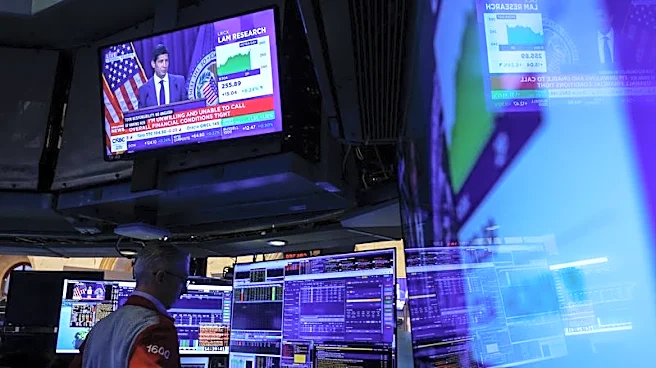
Eli Lilly's strong performance and revised outlook highlight its dominant position in the rapidly expanding GLP-1 market, particularly for obesity and diabetes treatments. This success creates a significant competitive gap with rivals like Novo Nordisk, whose stock is down 20% year-to-date compared to Eli Lilly's 30% increase. Novo Nordisk faces U.S. pricing pressures and remains more concentrated in diabetes and obesity drugs, while Eli Lilly is diversifying its portfolio with new products in oncology, immunology, and neuroscience. The market's reaction, with Eli Lilly's stock jumping 8% while Novo Nordisk saw only a 1% increase and Viking Therapeutics eased, underscores investor confidence in Eli Lilly's strategy and product pipeline. The ongoing competition in the GLP-1 space means that late-stage challengers must demonstrate superior efficacy, convenience, and competitive pricing to gain market share, impacting the broader pharmaceutical landscape and patient access to these high-demand medications.
What's Next?
Eli Lilly's immediate challenge is to demonstrate sustained growth from its newer products beyond weight loss to reduce its reliance on tirzepatide. The company's Alzheimer's treatment, Kisunla, and blood cancer drug, Jaypirca, showed significant growth, indicating potential for diversification. However, margin pressures, with adjusted operating margin falling to 35.3% from 41.8%, will be a key area of focus. The competitive landscape will intensify as rivals like Novo Nordisk and Viking Therapeutics continue their development efforts. Novo Nordisk is expected to face further U.S. pricing pressure, including announced list price cuts for Wegovy and Ozempic in early 2027. Viking Therapeutics is awaiting results from its VANQUISH trials in 2027, which will be crucial for its market entry. Investors will closely monitor these developments, weighing growth prospects against margin risks as the race for obesity care market share evolves.
Beyond the Headlines
The rapid expansion of the GLP-1 market, driven by drugs like Mounjaro and Zepbound, is reshaping healthcare economics and public health strategies. The high demand for these medications, coupled with their significant cost, raises critical questions about affordability, insurance coverage, and equitable access. The competitive dynamics between pharmaceutical giants like Eli Lilly and Novo Nordisk could lead to further innovation, but also intense pricing battles and potential regulatory scrutiny. The success of these drugs also highlights a broader societal shift towards addressing chronic conditions like obesity with pharmacological interventions, potentially impacting lifestyle and public health initiatives. The ethical implications of widespread GLP-1 use, including long-term effects and the potential for off-label use, will likely become more prominent discussions in the coming years, influencing healthcare policy and patient care standards.