
What's Happening?
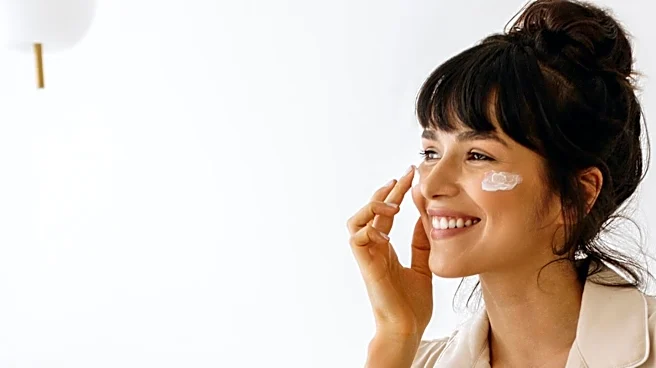
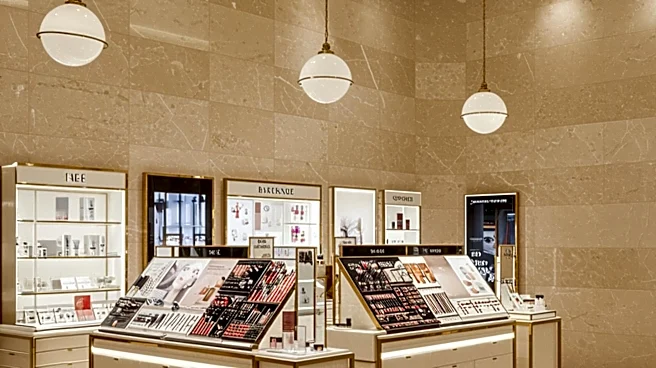
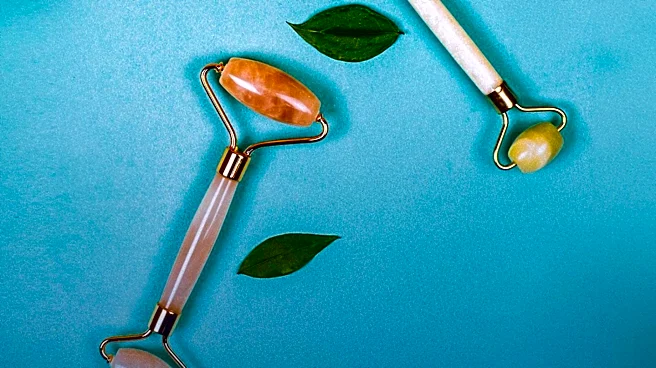
Ulta Beauty is showcasing a range of facial sculpting tools, including various Gua Sha instruments and other devices, designed to enhance skincare routines. Among the featured products is a white jade
Gua Sha with five distinct edges, crafted for targeting different facial areas such as the forehead, eyes, jaw, and cheeks. Another option is a 304-grade stainless steel Gua Sha from Talova Labs, noted for its natural coolness, smoothness, and non-porous properties, which is marketed for sculpting and facial massage. The selection also includes a rose quartz Gua Sha from Caire Beauty, featuring a three-sided shape for areas like the brow, cheekbones, jaw, and under-eye. These tools are presented as aids for relaxation, reducing puffiness, and achieving a contoured appearance, with specific instructions provided for their use, often involving application with facial oils or serums. The brand emphasizes that results can vary and that these tools are primarily for massage rather than medical treatment.
Why It's Important?
The increasing prominence of facial sculpting tools in major beauty retailers like Ulta Beauty signifies a growing consumer interest in at-home skincare devices and techniques. This trend impacts the beauty industry by driving demand for innovative products and influencing consumer spending habits. For businesses, it highlights the importance of diversifying product offerings to cater to evolving beauty trends and preferences for non-invasive cosmetic enhancements. The emphasis on natural materials like jade and rose quartz, alongside advanced materials like stainless steel, also reflects a broader market trend towards both traditional and modern approaches in beauty. The accessibility of these tools through online and retail channels makes advanced skincare practices more mainstream, potentially shifting consumer reliance from professional treatments to DIY methods for daily maintenance and aesthetic improvement.
What's Next?
The beauty market is likely to see continued innovation in facial sculpting tools, with new materials, designs, and technological integrations. Retailers may expand their educational content, offering more detailed guides and demonstrations to help consumers effectively use these products and understand their benefits. There could also be an increased focus on scientific backing for product claims, as consumers become more discerning about the efficacy of beauty devices. Furthermore, the integration of these tools into broader skincare routines suggests a future where personalized at-home beauty regimens become more sophisticated, potentially leading to subscription models for products and accessories. The industry may also face increased scrutiny regarding product safety and the accuracy of marketing claims, prompting a need for clearer guidelines and consumer education.
Beyond the Headlines
The rise of facial sculpting tools reflects a deeper cultural shift towards self-care and wellness, where individuals are seeking accessible ways to enhance their appearance and well-being from home. This trend also touches upon the psychological aspect of beauty routines, offering a ritualistic element that can contribute to mental relaxation and stress reduction. The promotion of these tools, particularly through online platforms and beauty advisors, underscores the influence of digital media in shaping consumer perceptions and purchasing decisions. Ethically, the industry faces the challenge of managing consumer expectations, ensuring that marketing accurately represents the capabilities of these tools without overstating their transformative effects. The blend of traditional practices, like Gua Sha, with modern materials also highlights a globalized approach to beauty, integrating ancient wisdom with contemporary manufacturing.