



What's Happening?
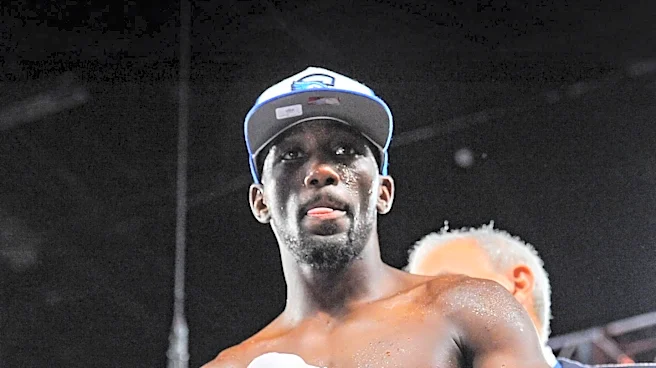
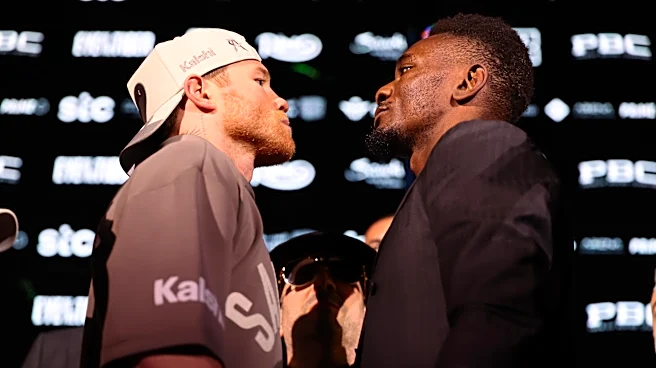
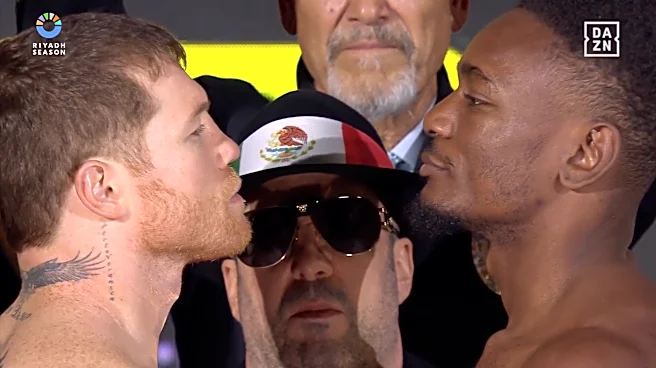
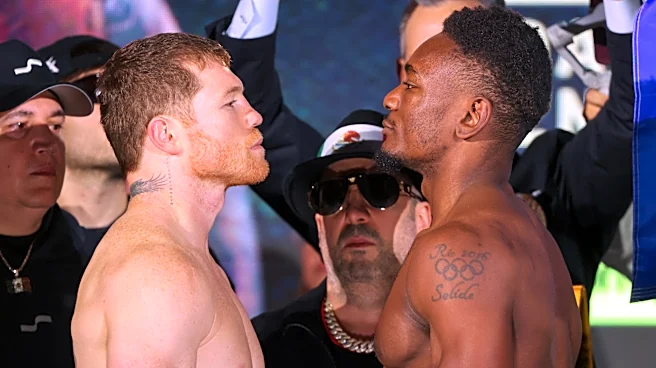
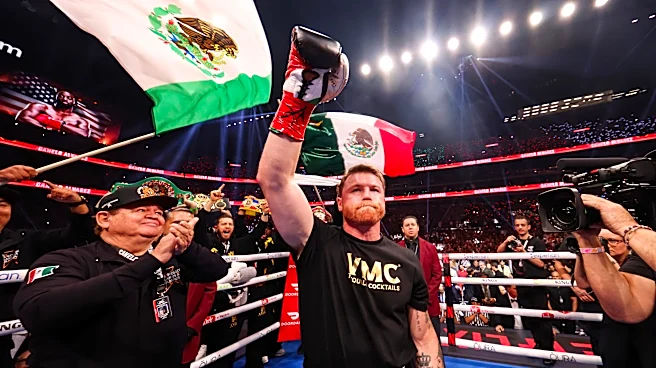
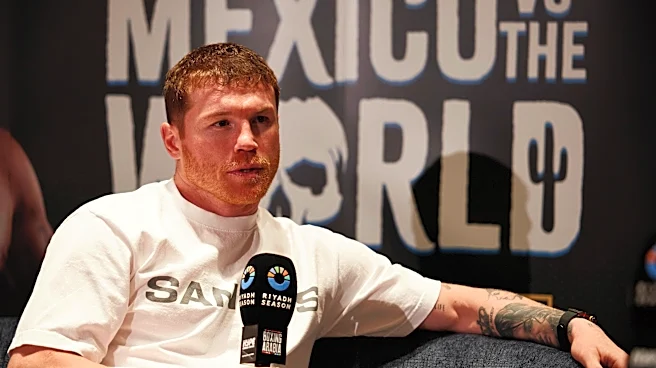
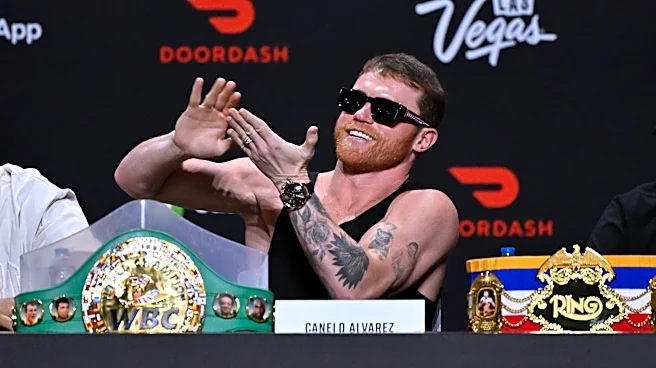
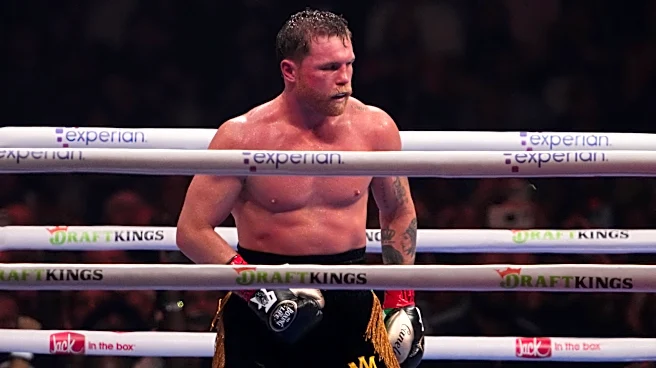
Saul 'Canelo' Alvarez's WBC super middleweight title challenge against Christian Mbilli is scheduled to proceed in Saudi Arabia this Saturday, despite ongoing missile and drone attacks in Riyadh and the closure of King Khalid International Airport. This
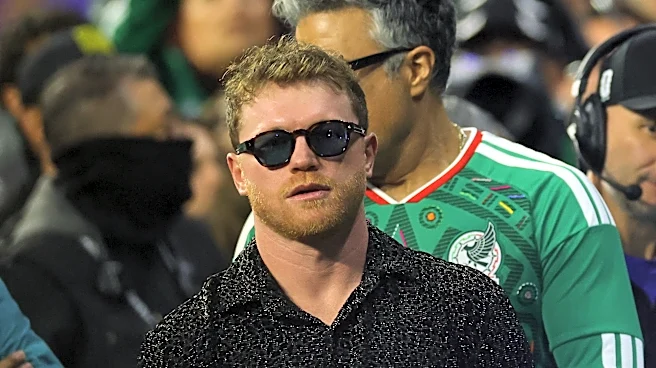
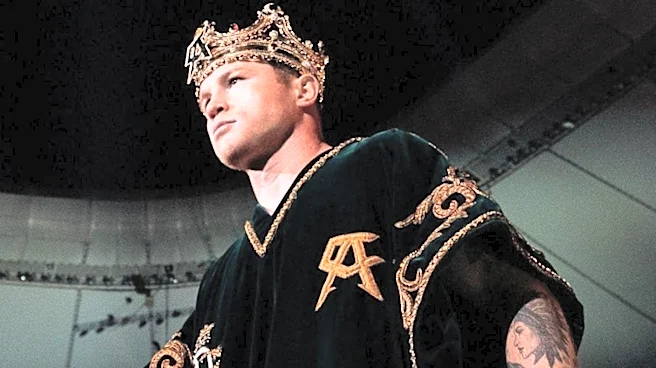
decision comes even as the U.S. State Department ordered non-emergency government employees and their families to leave Saudi Arabia due to a series of deadly attacks by Houthi rebels, which have resulted in casualties. Several other major sporting events in the region, including the Six Kings Slam tennis tournament and the Saudi International golf tournament, have been canceled. However, Alvarez's fight, and another world title fight on his card, are moving forward. Turki Alalshikh, a Saudi official, stated that Canelo 'fears nothing' and is committed to fighting in Riyadh. Alvarez, now 36, is reportedly looking to complete two more fights in Riyadh by February, indicating a strategic move to capitalize on the financial opportunities in the region as his career winds down.
Why It's Important?
The decision to proceed with Canelo Alvarez's boxing match in Saudi Arabia, despite security concerns and the cancellation of other major events, highlights the significant financial influence the region holds in global sports. For Alvarez, this represents a substantial payday and an opportunity to secure his financial future as he approaches the end of his career. However, it also raises questions about the ethical considerations of holding high-profile sporting events in areas experiencing geopolitical instability. The U.S. State Department's advisory underscores the perceived risks, yet the boxing event continues, suggesting that economic incentives can sometimes outweigh security warnings for certain athletes and promoters. This situation could set a precedent for how major sports organizations navigate future events in volatile regions, potentially prioritizing financial gain over safety concerns or public perception. It also demonstrates the immense drawing power of a star like Canelo, whose presence can seemingly override significant external pressures.
What's Next?
The fight between Canelo Alvarez and Christian Mbilli is expected to take place as scheduled in Riyadh. Alvarez has expressed a desire to fight again in February, aiming to complete two more fights in Riyadh. This indicates a continued focus on the financial opportunities presented by Saudi Arabia. The long-term implications for boxing and other sports holding events in regions with ongoing conflicts will likely be debated, especially if similar situations arise. The public and media will be observing the event's execution and any subsequent developments regarding security or athlete safety. There may also be increased scrutiny on the financial arrangements that enable such events to proceed despite geopolitical tensions.
Beyond the Headlines
The continuation of the Canelo Alvarez fight in Saudi Arabia, despite U.S. State Department warnings and regional attacks, underscores a growing trend of sports washing, where nations with questionable human rights records or geopolitical issues use high-profile sporting events to improve their international image. For athletes like Alvarez, the financial incentives are often too significant to ignore, creating a complex ethical dilemma. This situation also reveals the power dynamics within global sports, where the allure of massive paydays can lead to decisions that might otherwise be deemed too risky or controversial. The event's proceeding could normalize the hosting of major international competitions in politically sensitive areas, potentially shifting the landscape of where and how global sports are conducted, and further entangling sports with geopolitical and economic interests.