





What's Happening?
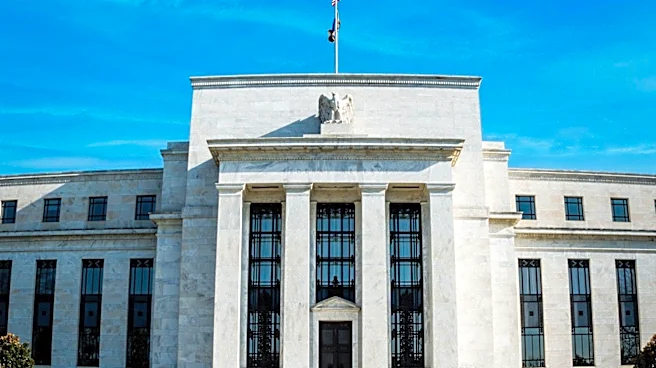
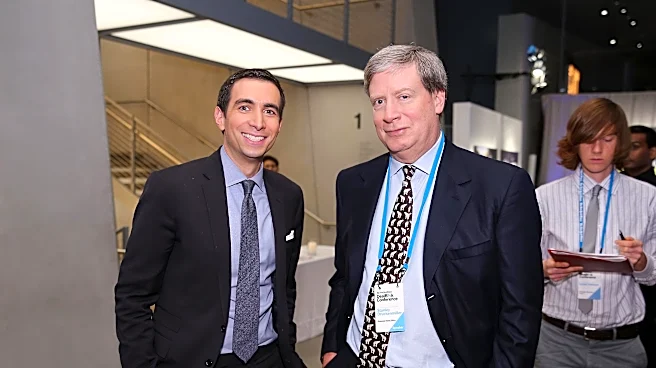
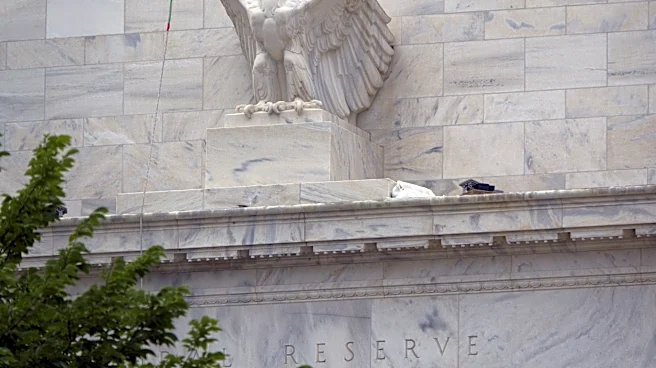
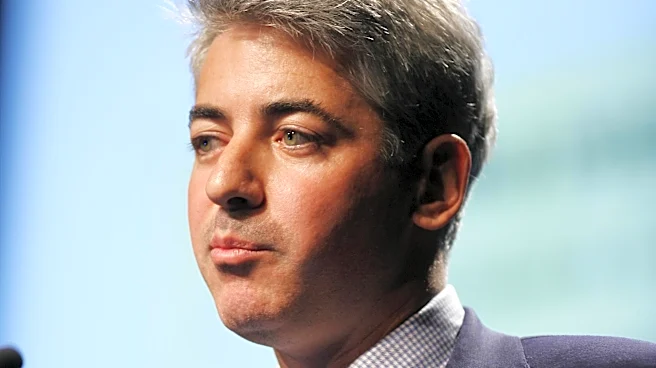
Bill Ackman, the hedge fund titan leading Pershing Square, has voiced concerns about a potential U.S. recession and criticized the Federal Reserve's 2% inflation target. Ackman argues that financial conditions have already tightened significantly due
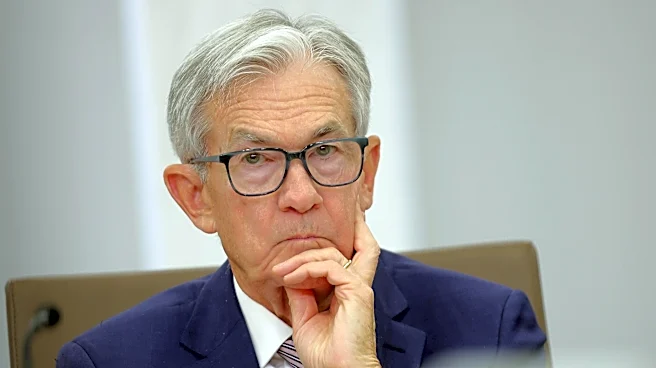
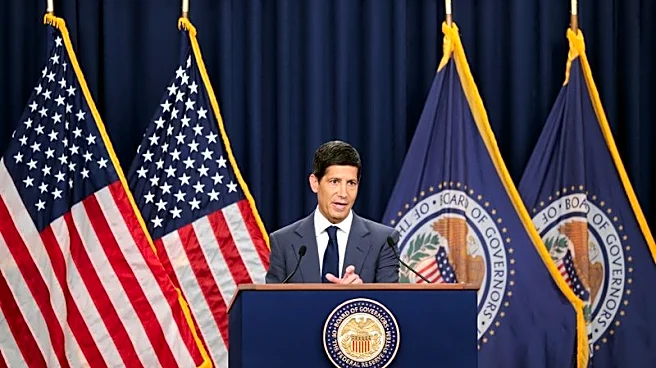
to the bond market, making borrowing more expensive for businesses. He points to capital expenditure, particularly in AI infrastructure, as a key economic driver over the past year. Ackman believes the Fed's 2% inflation ambition is misguided, citing geopolitical risks, increased global military spending, deglobalization, tariffs, and massive AI infrastructure and energy investments as new global features that were not present when the target was established. He suggests that a 3% inflation target is more realistic in the current global environment. Federal Reserve Chairman Kevin Warsh has previously indicated a desire to alleviate price increases for consumers and businesses, with current annual inflation at 3.7% according to the Bureau of Labor Statistics.
Why It's Important?
Ackman's critique of the Federal Reserve's 2% inflation target carries significant implications for U.S. economic policy and financial markets. If the Fed were to reconsider its target, it could alter expectations for interest rate hikes and monetary policy, directly impacting borrowing costs for businesses and consumers. A shift to a 3% target, as suggested by Ackman, could be seen as an acknowledgment of persistent inflationary pressures stemming from global economic shifts, potentially influencing investment strategies and long-term financial planning. The debate over the inflation target also highlights a tension between controlling inflation and maintaining employment levels, both key mandates of the Fed. Economists often emphasize the importance of the Fed's credibility in maintaining its 2% target, as any perceived wavering could lead to higher long-term inflation expectations, which could further destabilize bond markets and increase borrowing costs.
What's Next?
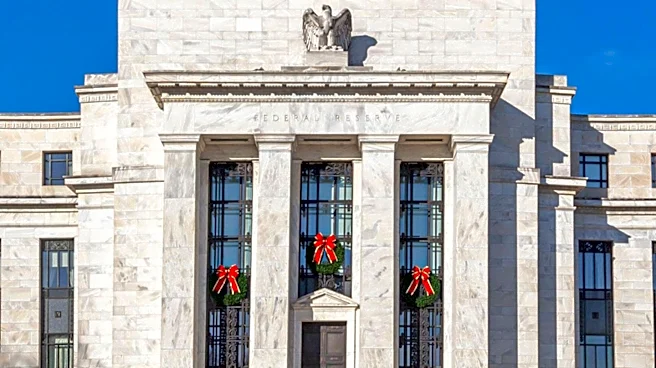
The Federal Reserve is scheduled to hold its next meeting in the second week of December, where decisions regarding interest rates will be made. Ackman's concerns about a potential recession and his call to re-evaluate the 2% inflation target will likely contribute to ongoing discussions among policymakers and financial analysts. Federal Reserve Chairman Kevin Warsh's stance on bringing inflation down from its current 3.7% annual rate suggests a continued focus on price stability. However, the broader economic conditions, including the impact of tightened financial conditions and the need to maintain employment, will be critical factors in the Fed's future decisions. The market's reaction to any potential rate hikes or shifts in the Fed's inflation outlook will be closely watched, as these could influence investor confidence and economic growth projections.
Beyond the Headlines
The discussion surrounding the Federal Reserve's inflation target extends beyond immediate economic indicators, touching upon fundamental shifts in the global economy. Ackman's argument that factors like geopolitical risk, deglobalization, and significant investments in AI infrastructure necessitate a re-evaluation of the 2% target suggests a recognition of a 'new normal' for inflation. This perspective challenges the long-held assumptions underpinning monetary policy and could lead to a broader re-assessment of how central banks manage economic stability in an increasingly interconnected and volatile world. The implications could include a recalibration of investment strategies, a re-evaluation of long-term growth prospects, and potentially a shift in how businesses and consumers plan for future price levels, moving away from the expectation of consistently low inflation that has characterized recent decades.