



What's Happening?
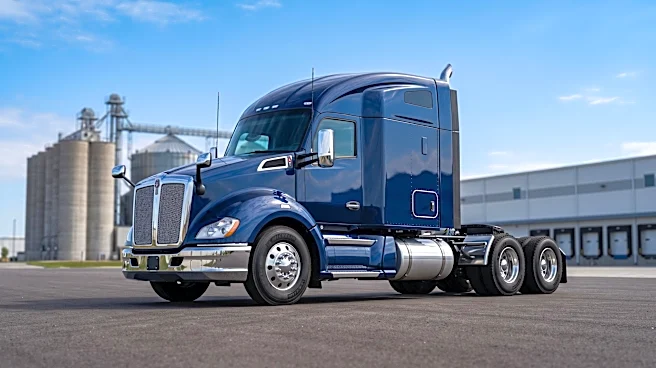
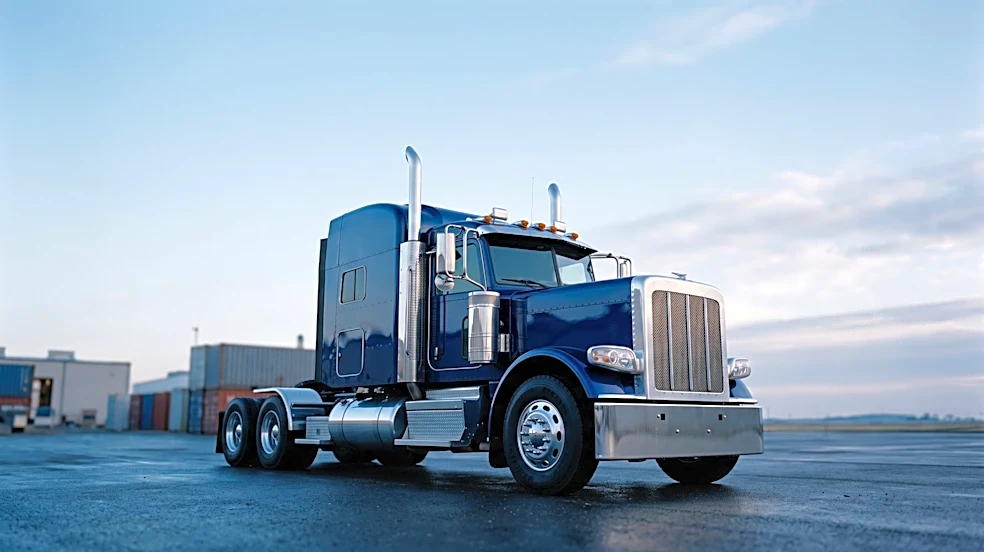
J.B. Hunt Transport Services, Inc. is actively recruiting local Class A drivers for its Dedicated Contract Services business unit. The company is offering an average annual earning of $85,000, with drivers getting home daily. New hires will receive $300
per day for training. The compensation plan is activity-based, designed to reward drivers for their commitment and allow for increased income based on individual efforts. In addition to competitive pay, J.B. Hunt provides a comprehensive benefits package, including PTO accrual from day one, a 401(k) with company match, and eligibility for medical, dental, and vision coverage after just 30 days. The company also offers access to mental health, family planning, leave, and disability benefits. Safety bonus opportunities are available, and paid online orientation is provided. J.B. Hunt emphasizes its commitment to driver stability, safety, support, and success, encouraging experienced drivers to build their careers with the company. Interested candidates can call 1-877-791-9458 or pre-qualify online.
Why It's Important?
This recruitment drive by J.B. Hunt Transport Services highlights the ongoing demand for skilled commercial drivers within the U.S. logistics and transportation sector. The offer of competitive salaries, daily home time, and robust benefits packages reflects the industry's efforts to attract and retain talent in a challenging labor market. For the U.S. economy, a stable and well-staffed trucking industry is crucial for maintaining supply chain efficiency and ensuring the timely delivery of goods across various sectors. The emphasis on dedicated contract services suggests a focus on consistent freight delivery for specific customers, which can lead to more predictable operations and stronger client relationships for J.B. Hunt. The activity-based payment plan could incentivize higher productivity among drivers, potentially improving overall service delivery. This initiative also underscores the importance of driver well-being, with benefits like mental health support and family planning, which can contribute to a more sustainable workforce in a demanding profession.
What's Next?
J.B. Hunt will continue to accept pre-qualification forms on an ongoing basis, indicating a sustained effort to fill these driving positions. The company's focus on local, dedicated routes suggests a strategic move to enhance service reliability for its clients while also improving the work-life balance for its drivers. This approach could set a precedent for other logistics companies looking to address driver shortages and improve retention rates. Successful recruitment will likely lead to strengthened operational capacity for J.B. Hunt, potentially allowing for expansion of its dedicated contract services. The company's commitment to driver benefits and support may also influence industry standards, prompting competitors to review and enhance their own compensation and benefits structures to remain competitive in attracting top talent. The ongoing demand for freight services means that the need for qualified drivers will persist, making such recruitment efforts a continuous process for major transport companies.
Beyond the Headlines
The recruitment efforts by J.B. Hunt Transport Services shed light on broader societal and economic trends within the U.S. The emphasis on daily home time and comprehensive benefits addresses critical issues such as driver burnout and the need for better work-life balance in the trucking industry, which has historically faced high turnover rates. By offering attractive packages, J.B. Hunt is not only securing its workforce but also potentially contributing to a more stable and professionalized driving profession. The activity-based payment plan, while incentivizing performance, also raises questions about fair compensation and the potential for wage disparities based on individual effort. Furthermore, the focus on dedicated contract services reflects a shift towards more specialized and reliable logistics solutions, moving beyond traditional spot market freight. This trend could lead to more integrated supply chains and stronger partnerships between carriers and their clients, ultimately impacting the efficiency and resilience of the national economy. The provision of mental health and family planning benefits also highlights a growing recognition of the holistic needs of employees in demanding industries.