








What's Happening?
Scoular, an Omaha-based grain and ingredient company, and Grupo Trimex, a major Mexican flour milling company, have significantly expanded their joint regenerative agriculture pilot project into a regional program. The initiative, initially launched in 2024
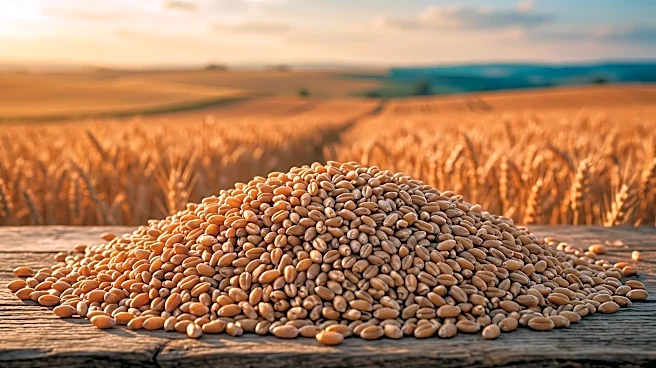
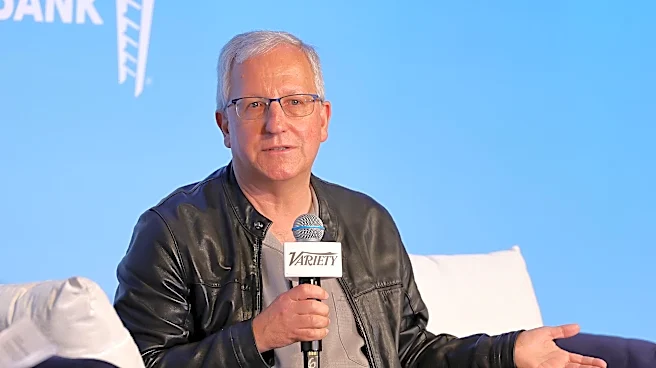
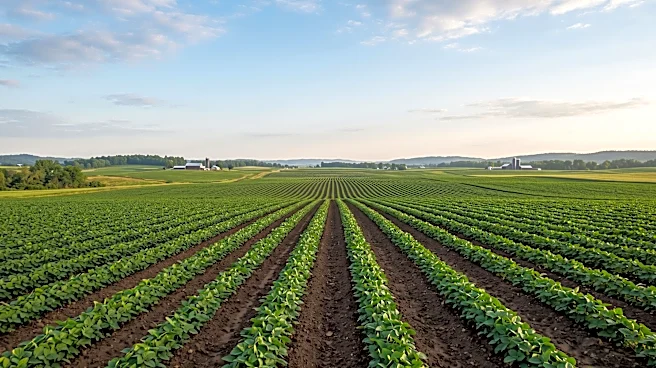
in Adrian, Missouri, with 5,000 acres and 12 producers growing soft red winter wheat, now covers 35,000 acres and involves 40 producers. This expansion is highlighted in Scoular’s annual sustainability report, released on October 26. The program aims to improve soil health and provide consumers with more information about their food, reflecting the increasing importance of regenerative agriculture. Mar Gutiérrez, sustainability manager at Grupo Trimex, noted that the program's success is built on Scoular's strong relationships with its farmers.
Why It's Important?
This expansion signifies a substantial commitment to sustainable farming practices within the U.S. agricultural sector, particularly in the Midwest. By increasing the acreage and number of participating farmers, Scoular and Grupo Trimex are contributing to the broader adoption of regenerative agriculture, which is crucial for improving soil health, reducing environmental impact, and enhancing the long-term viability of farming. For U.S. farmers, participation in such programs can lead to improved soil fertility, reduced input costs, and increased resilience to climate variability. For consumers, it means a growing supply of food products sourced from environmentally responsible practices. This collaboration also demonstrates how international partnerships can drive sustainability initiatives within the U.S., creating a more robust and sustainable food supply chain that benefits both producers and consumers.
What's Next?
Scoular and Grupo Trimex plan to continue expanding the program to include more farmers and acres, indicating a long-term commitment to regenerative agriculture. The success of this regional program could serve as a model for other agricultural companies and partnerships looking to implement similar sustainability initiatives. As regenerative agriculture gains more traction, there will likely be increased demand for training, resources, and market access for farmers adopting these practices. Scoular's ongoing efforts, as detailed in its sustainability report, suggest a continued focus on strengthening farmer relationships and creating growth opportunities that align with environmental stewardship. This trajectory points towards a future where sustainable practices become more integrated into mainstream agriculture, driven by both corporate leadership and consumer demand.
Beyond the Headlines
The expansion of this project reflects a broader trend in the agricultural industry towards integrating sustainability into core business operations. It highlights the growing recognition that environmental stewardship is not just a corporate social responsibility but a strategic imperative for supply chain resilience and long-term profitability. The partnership between a U.S. grain company and a Mexican flour milling company also underscores the interconnectedness of global food systems and the potential for cross-border collaboration to address shared environmental challenges. This initiative could inspire further investment in regenerative agriculture research and development, leading to innovations in farming techniques and technologies. Ultimately, such programs contribute to a more resilient food system that can better withstand climate change impacts and meet the evolving demands of environmentally conscious consumers.