






What's Happening?
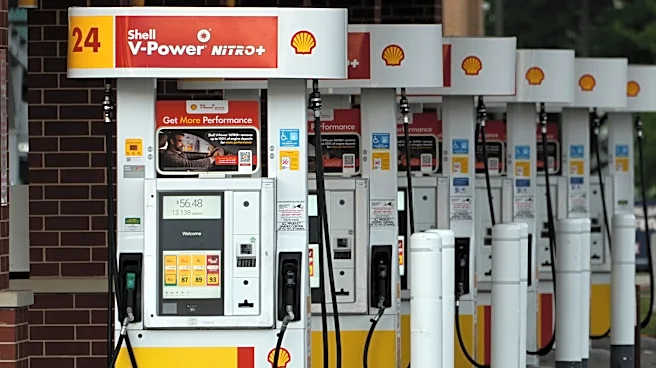
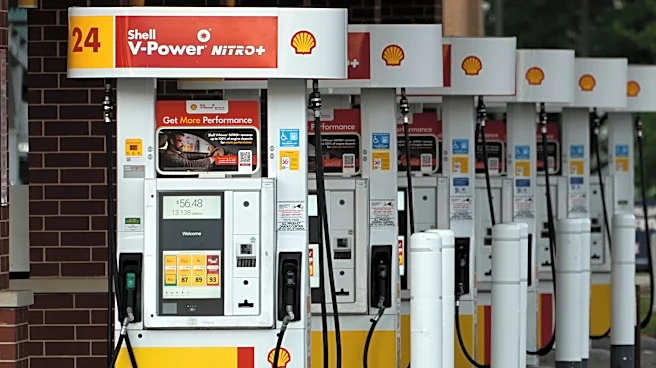
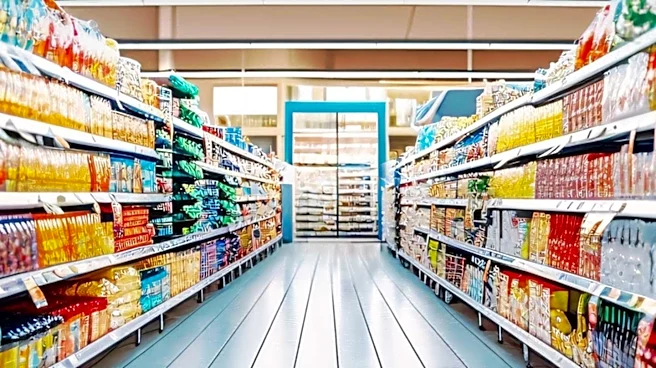
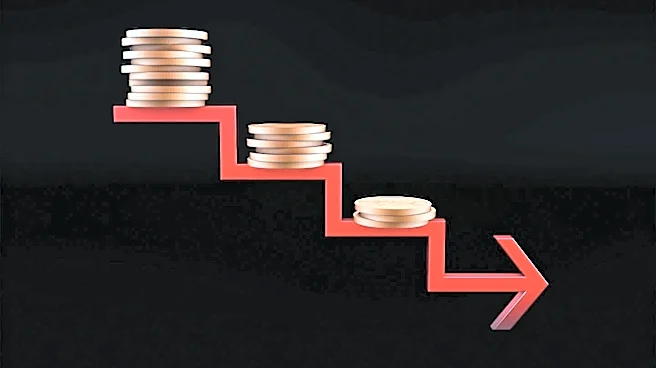
Retail sales in the U.S. rose by a modest 0.2% in June, according to the Commerce Department. This increase comes amid economic uncertainty and a decline in gas prices, which reduced overall spending at gas stations. Excluding gas station sales, retail
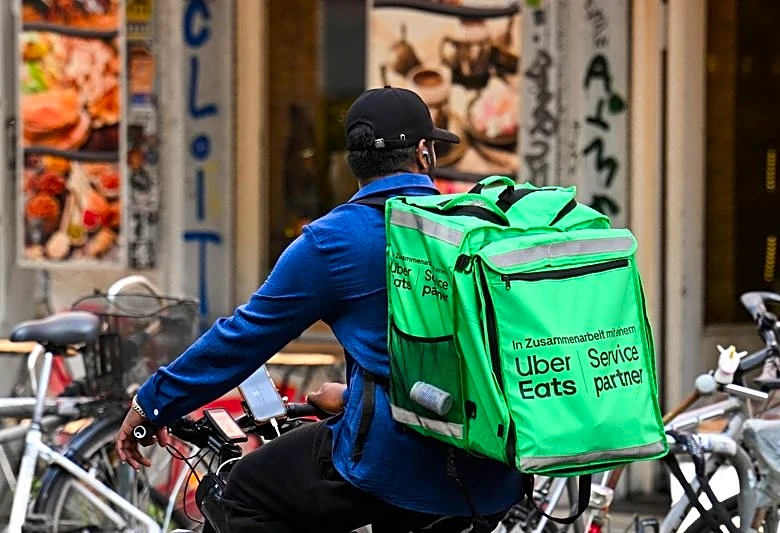
sales rose by 0.7%, indicating consumer resilience. Shoppers continued to purchase cars and take advantage of summer sales events, despite concerns about the economy and diminishing benefits from earlier government tax refunds. Online sales saw a boost, partly due to Amazon's Prime Day event, while sales at sporting goods and hobby stores increased, likely influenced by the World Cup.
Why It's Important?
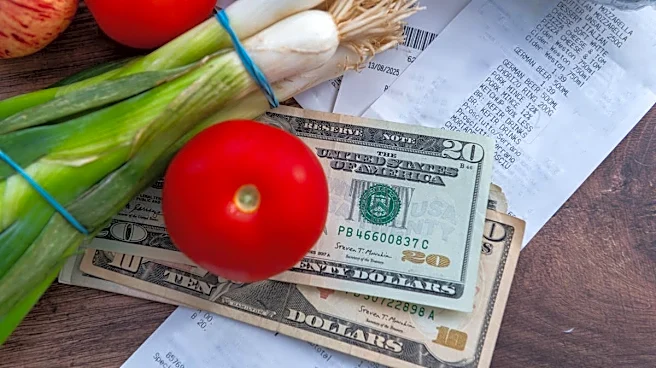
The modest increase in retail sales reflects ongoing consumer caution amid economic uncertainty. While lower gas prices provided some relief, the overall economic environment remains challenging, with consumers becoming more selective in their spending. This trend could impact various sectors, including retail and automotive, as businesses adjust to changing consumer behaviors. The data also suggests that while inflation pressures have eased slightly, underlying economic concerns persist, influencing consumer confidence and spending patterns. Retailers may need to adapt their strategies to cater to more discerning consumers, focusing on value and essential goods.
What's Next?
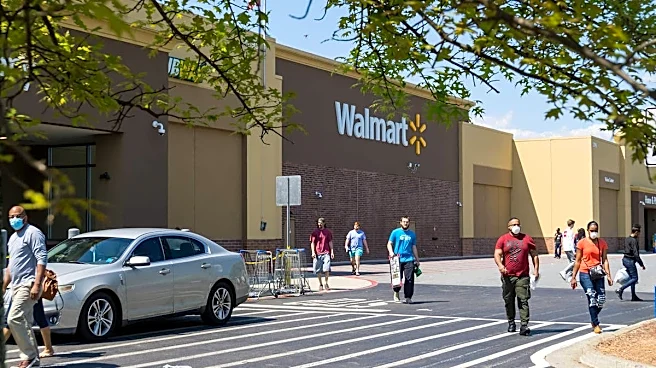
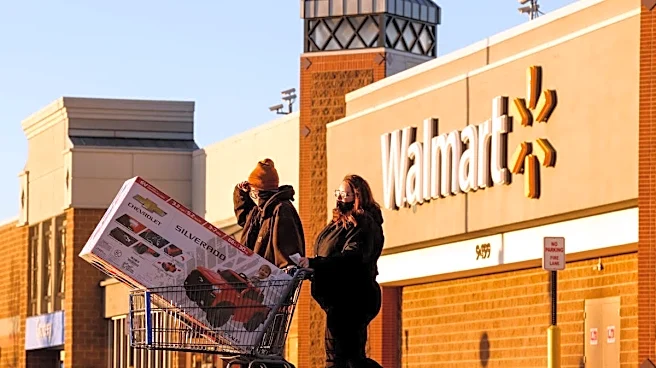
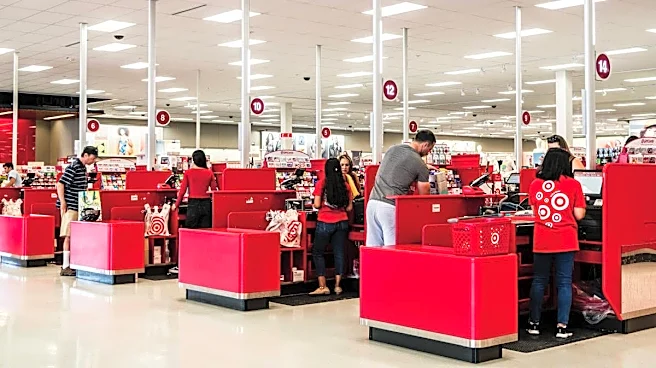
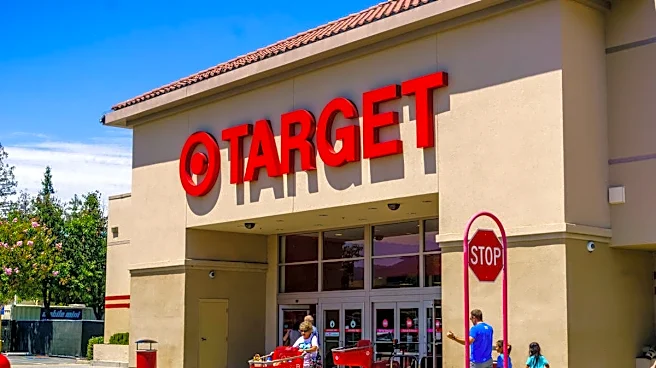
Major retailers like Walmart, Target, and Macy's are expected to release their second-quarter earnings soon, providing further insights into consumer behavior and retail performance. These reports will be closely watched for indications of how retailers are navigating the current economic landscape and adjusting to shifts in consumer spending. Additionally, ongoing geopolitical tensions, such as the situation in the Strait of Hormuz, could impact gas prices and, consequently, consumer spending. Retailers and policymakers will need to monitor these developments closely to anticipate potential impacts on the economy and consumer confidence.