





What's Happening?
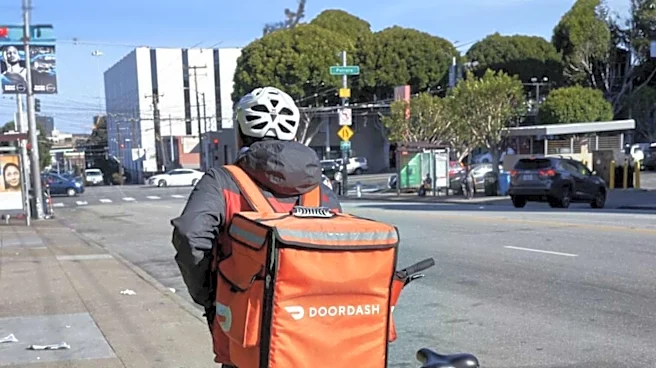
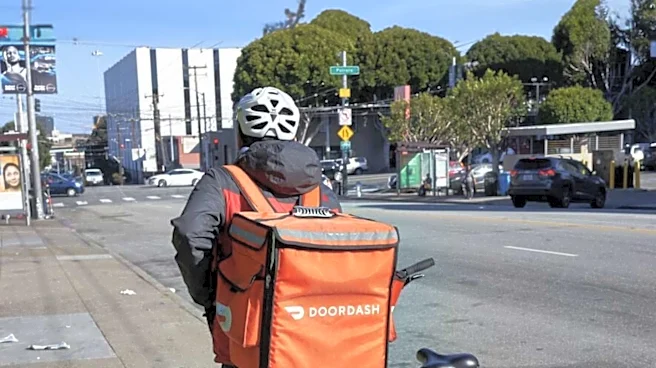
DoorDash has announced an agreement to acquire its rival, Instacart, for $17 billion. This acquisition will integrate Instacart, a dominant grocery delivery application in the United States, with DoorDash, which already controls the majority of restaurant
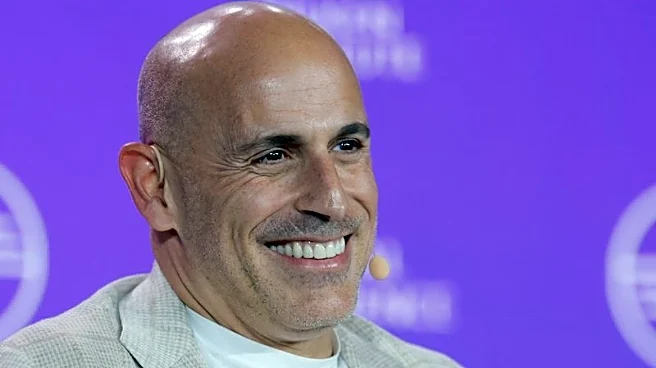
takeout orders in the country. According to Tony Xu, CEO of DoorDash, this combination will create a "best-in-class product" for retailers, leading to faster deliveries and more affordable prices. This, in turn, is expected to generate increased sales for supermarkets and retailers, and greater earning opportunities for shoppers. In the third quarter, DoorDash reported 993 million orders, a 28% increase year-over-year, with customer spending nearing $34 billion and revenues of $4.6 billion. Instacart's second-quarter results showed 90.3 million orders, valued at approximately $10.4 billion, generating just over $1 billion in revenue. Both companies are based in San Francisco.
Why It's Important?
This acquisition marks DoorDash's largest to date and significantly consolidates the U.S. delivery market. The combined entity will control a substantial portion of both dinner and grocery home delivery services, potentially reshaping consumer habits and market competition. For DoorDash, this deal provides a rapid expansion into the grocery sector, where orders are typically larger and potentially more profitable than single restaurant meals. Instacart brings established relationships with over 2,200 retailers, which will bolster DoorDash's grocery delivery capabilities. The move is particularly impactful for Instacart, which was valued at $39 billion by private investors during the pandemic-driven food delivery boom but has since faced increasing pressure from larger rivals entering its market. This consolidation could lead to reduced competition, potentially affecting pricing and service options for consumers, while offering retailers a more streamlined delivery solution.
What's Next?
The acquisition is expected to close by the end of next year or in 2028. Despite the purchase, Instacart will maintain its operational application and brand. This suggests a strategy to leverage Instacart's existing brand recognition and customer base while integrating its technology and infrastructure with DoorDash's. The market will be watching to see how this consolidation impacts pricing strategies, delivery speeds, and the overall competitive landscape in the U.S. delivery sector. Retailers and consumers will likely experience changes as the two companies merge their operations and offerings. The long-term effects on gig economy workers, particularly those who deliver for both platforms, will also be a key area of observation.
Beyond the Headlines
The merger of DoorDash and Instacart highlights a broader trend of consolidation within the on-demand delivery industry, driven by the pursuit of scale, efficiency, and market dominance. This move could set a precedent for further acquisitions in the sector, potentially leading to fewer, larger players controlling essential last-mile logistics. The ethical implications for gig workers, who often face precarious employment conditions, could become more pronounced as a single entity gains greater control over a significant portion of delivery jobs. Furthermore, the increased market power of the combined company might raise antitrust concerns, prompting scrutiny from regulatory bodies regarding potential monopolies and their impact on consumer choice and fair competition. The long-term shift towards integrated delivery services could fundamentally alter how Americans access food and groceries, emphasizing convenience at potentially higher costs or reduced options.