





What's Happening?
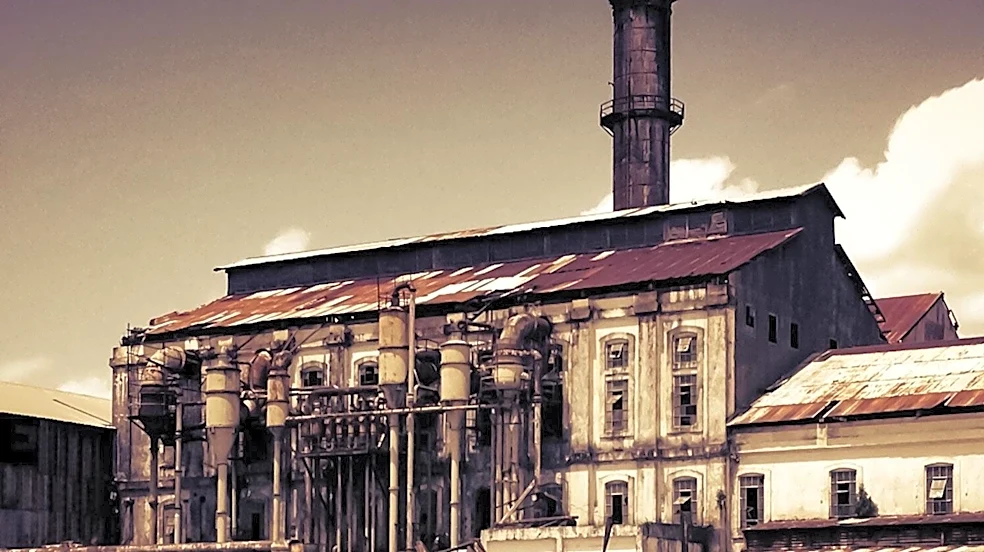
The Ajaokuta Steel Company in Nigeria, initiated in 1979 with the ambition to establish a robust heavy industry, remains non-operational despite over $8 billion in public funds spent over four decades. The plant, officially declared 98% complete in 1984,
has never produced a single commercial steel sheet. This includes a $495 million arbitration payment in 2022. The 2025 budget allocates 6.21 billion naira for salaries at the idle plant, representing 91.19% of its total budget for the year, even though on-site visits reportedly observe only about a dozen people compared to 10,000 listed on the payroll. The project was halted by a military coup in 1983 and has since been plagued by political promises and financial mismanagement, with costs far exceeding those of comparable operational steel plants globally.
Why It's Important?
The Ajaokuta Steel Company's failure represents a colossal waste of public funds and a significant missed opportunity for Nigeria's industrial development. The continuous allocation of billions of naira for an idle plant, primarily for salaries, highlights severe governance issues, including corruption and a lack of accountability. This situation diverts critical resources that could be invested in functional infrastructure, education, or healthcare, thereby hindering overall economic growth and perpetuating poverty. For the U.S. and international investors, this case serves as a cautionary tale regarding the risks of investing in projects within environments characterized by political instability, poor project management, and a lack of transparency. It also underscores the challenges in fostering industrialization in developing nations without robust institutional frameworks and oversight.
What's Next?
Despite repeated promises from successive administrations, including President Bola Tinubu's, to revive the plant, no tangible progress has been observed. The 2026 finance bill continues to allocate substantial funds to the Ajaokuta Steel Company, indicating an ongoing commitment to its maintenance, albeit without production. The issue has drawn attention from high political echelons, with Senator Natasha Akpoti-Uduaghan raising concerns within the Senate committee. The future of the Ajaokuta Steel Company remains uncertain, with the possibility of continued financial drain without achieving its intended industrial purpose. Any genuine revival would require a complete overhaul of management, transparent financial practices, and a clear strategy for operationalization, which has been lacking for decades.
Beyond the Headlines
The Ajaokuta Steel Company has become a symbol of Nigeria's broader challenges in project execution and governance. It illustrates how ambitious national projects can be derailed by political upheaval, corruption, and a lack of sustained vision. The phenomenon of paying salaries to a largely non-existent workforce at an idle facility points to systemic issues within the public sector, where patronage and administrative inertia can override economic rationality. This long-standing failure also impacts public trust in government's ability to deliver on its promises and manage national resources effectively. The case of Ajaokuta reflects a deeper cultural and institutional crisis where accountability is weak, and the long-term interests of the nation are often overshadowed by short-term political gains or personal enrichment.