




What's Happening?
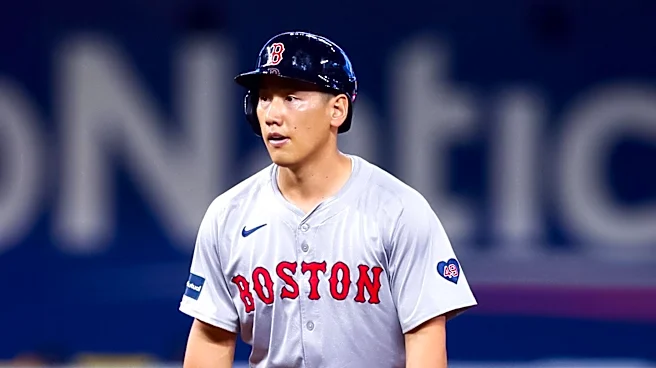
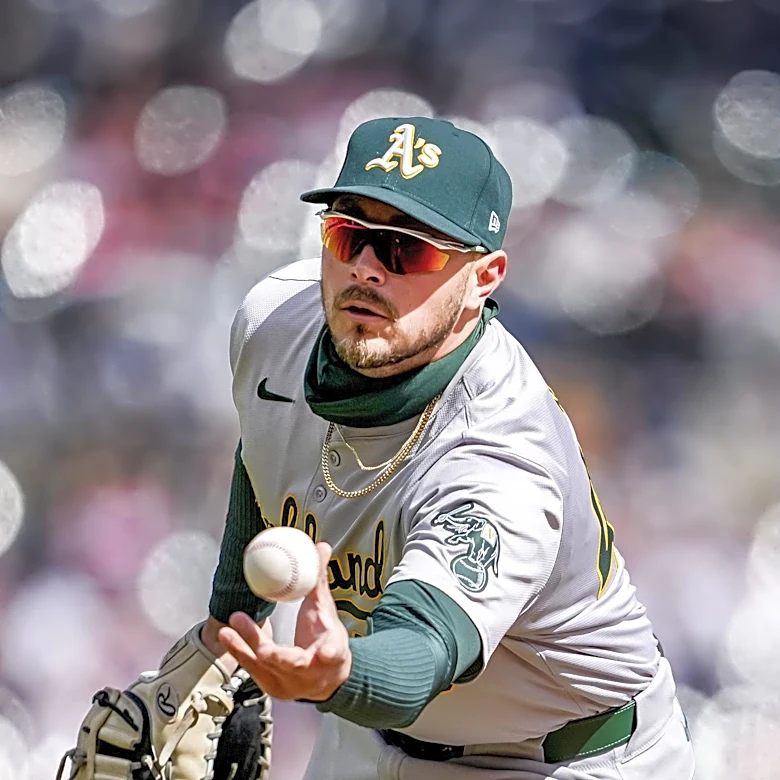
The Boston Red Sox have traded outfielder Nate Eaton to the Athletics in exchange for right-handed pitcher Jareth Rayo. Eaton, 29, had a limited role with the Red Sox in the majors last season, playing in 24 games and making 15 starts across left, center,
and right field. In Triple-A Worcester, Eaton played 84 games, batting .253 with nine home runs, 44 runs batted in, 58 runs, and 18 stolen bases. In 2025, he batted .296 with a .731 on-base plus slugging percentage in 41 games. Rayo, 18, made his professional debut this season with the Dominican Summer League Athletics, making nine starts, posting a 5.50 earned run average, and recording 36 strikeouts.
Why It's Important?
This trade is important for both the Red Sox and the Athletics as it represents a strategic move to address specific team needs and future development. For the Red Sox, acquiring a young pitcher like Jareth Rayo, who is just beginning his professional career, signifies an investment in their long-term pitching depth and potential. Rayo's performance in the Dominican Summer League, despite his ERA, shows promise with a notable number of strikeouts. For the Athletics, Nate Eaton provides an experienced outfielder who has demonstrated offensive capabilities in Triple-A, including power and speed. His .731 on-base plus slugging percentage in 2025 suggests he could be a valuable addition to their lineup, offering immediate contributions and potentially filling a roster spot with a proven minor league performer.
What's Next?
Following the trade, Nate Eaton will join the Athletics, where he will likely compete for a roster spot or provide depth in their outfield. His performance with the Athletics will be closely watched to see if he can translate his Triple-A success to the major league level. For Jareth Rayo, his development within the Red Sox organization will be a key focus. As a young pitcher, he will continue to hone his skills in the minor leagues, with the goal of eventually reaching the major league roster. Both teams will monitor the progress of their newly acquired players, assessing the long-term impact of this trade on their respective franchises.
Beyond the Headlines
This transaction highlights the continuous player movement and strategic decision-making inherent in professional baseball. Trades like this are not just about exchanging players but also about managing salary caps, developing farm systems, and optimizing team chemistry. For the Red Sox, trading an outfielder for a young pitcher could indicate a shift in their organizational priorities towards strengthening their pitching staff. For the Athletics, acquiring an outfielder with some major league experience and strong minor league numbers suggests a focus on immediate offensive improvements. These moves reflect the dynamic nature of team building in baseball, where clubs constantly evaluate talent and make adjustments to remain competitive.