






What's Happening?
Ingrid Brown, a veteran truck driver with nearly five decades of experience, shared her insights on the impact of AI and technology on the trucking industry. Brown, who started driving trucks in 1979, has witnessed significant advancements in technology that
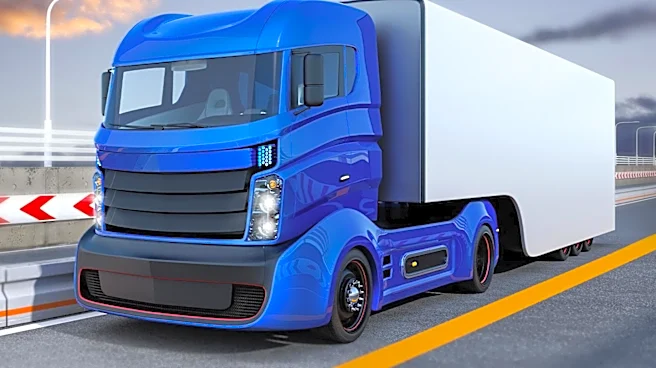
have enhanced safety and efficiency. She acknowledges that AI has made the job safer by providing real-time alerts and monitoring driver behavior. However, Brown remains skeptical about fully autonomous trucks, expressing concerns about their ability to handle unpredictable situations on the road. She emphasizes the importance of human judgment and experience in ensuring safety and is cautious about the potential job losses that could result from widespread adoption of autonomous vehicles.
Why It's Important?
The trucking industry is a critical component of the U.S. economy, responsible for transporting goods across the country. The integration of AI and technology has the potential to improve safety and efficiency, reducing accidents and operational costs. However, the transition to autonomous trucks raises concerns about job security for millions of truck drivers. Brown's perspective highlights the need for a balanced approach that leverages technology while preserving jobs and ensuring safety. The debate over autonomous trucks also underscores broader discussions about the future of work and the role of technology in society.
What's Next?
As the trucking industry continues to explore autonomous technology, stakeholders will need to address safety concerns and the potential impact on employment. Policymakers and industry leaders may consider regulations and initiatives to support workers during the transition. The development of autonomous trucks will likely involve ongoing testing and collaboration with experienced drivers to ensure that technology complements human skills. The industry may also explore hybrid models that combine human oversight with autonomous capabilities, providing a pathway for gradual adoption.