






What's Happening?
Spanish fashion giant Inditex, parent company of Zara, has cautioned Bangladesh that frequent policy changes are increasing apparel sourcing costs and delivery times, potentially leading international buyers to move orders to other manufacturing hubs
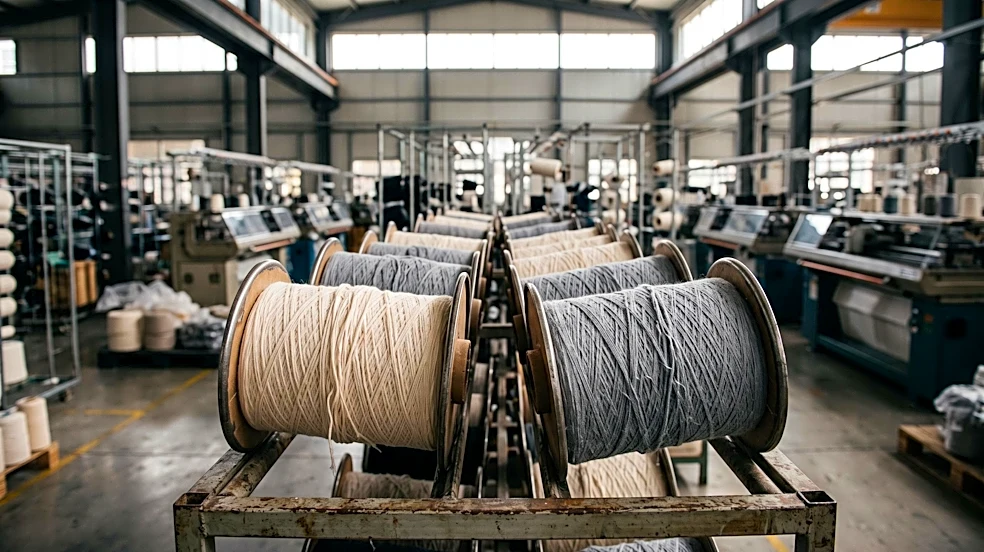
like Vietnam, India, Pakistan, and Cambodia. Inditex sources approximately $2.5 billion worth of apparel annually from Bangladesh, making it one of the European Union's largest buyers of Bangladeshi garment products. Concerns were raised during a meeting between Inditex officials and Commerce Minister Khandaker Abdul Muktadir in Dhaka. Key issues highlighted include difficulties with cotton yarn import procedures, restrictions on land-port imports, and the cancellation of transshipment facilities for Bangladeshi exports. The withdrawal of bonded warehouse facilities for certain cotton yarn imports has specifically caused the price of locally sourced yarn to rise from around $3.15 to $3.70 per kilogram, increasing manufacturers' production costs and reducing their competitiveness. The Bangladesh Garment Manufacturers and Exporters Association (BGMEA) and the Bangladesh Knitwear Manufacturers and Exporters Association (BKMEA) have urged government intervention regarding delayed consignments at Chattogram port and have called for a policy framework that balances domestic textile mill interests with the competitiveness of export-oriented garment manufacturers.
Why It's Important?
This development is critical for Bangladesh's economy, as the ready-made garment (RMG) industry is the country's primary export-earning sector. A shift in orders by major international buyers like Inditex could significantly impact factory utilization, employment, and export earnings. The warnings from Inditex, echoed by other major buyers such as H&M and C&A, underscore a broader trend where international fashion retailers are reassessing their sourcing networks due to production costs, energy constraints, geopolitical risks, and changing trade conditions. For Bangladesh, maintaining competitiveness in the global market now depends not only on labor costs and manufacturing capacity but also on reliable access to raw materials, predictable regulations, logistics efficiency, and on-time delivery. The government's handling of import policies and regulatory consistency is crucial to prevent a substantial diversion of business, which could have severe economic repercussions for the nation and its workforce.
What's Next?
The Bangladesh Garment Manufacturers and Exporters Association (BGMEA) and the Bangladesh Knitwear Manufacturers and Exporters Association (BKMEA) have urged the government to reconsider the disputed yarn-import measures and to consult apparel exporters and textile millers before implementing further changes that could disrupt the supply chain. The industry associations are advocating for a policy framework that supports domestic textile mills while preserving the competitiveness of export-oriented garment manufacturers. The immediate future will likely involve continued discussions between government bodies and industry stakeholders to resolve the outstanding import and logistics issues. The speed and effectiveness with which the government addresses these concerns will determine whether the warnings from international buyers translate into a sustained shift in sourcing away from Bangladesh. Global buyers will continue to prioritize competitively priced products and timely delivery in their future sourcing decisions.
Beyond the Headlines
The challenges faced by Bangladesh's garment industry extend beyond immediate policy changes, touching upon the country's long-term economic strategy and global trade position. As Bangladesh prepares for graduation from the United Nations' Least Developed Country (LDC) category in November 2026, it will face changes in trade preferences, necessitating a stronger focus on productivity, product diversification, design capabilities, and domestic value addition. The current situation highlights the delicate balance between protecting domestic industries and maintaining an attractive environment for international trade. Furthermore, the global fashion industry's increasing demand for sustainability, traceability, and ethical sourcing means that Bangladesh must invest in innovation, technology, and sustainable manufacturing practices to remain competitive. The ability to adapt to these evolving global standards and foster a collaborative environment among universities, industry, and government will be crucial for the industry's future success, moving beyond a reliance on cheap labor to a reputation for quality, innovation, and value.