



What's Happening?
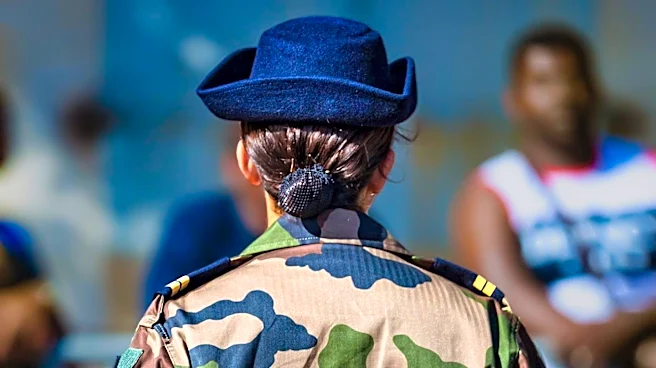
The functional, tactical, and practical clothing prevalent in today's civilian fashion, including the gorpcore trend and general outdoor apparel, has significant historical connections to U.S. military uniforms. This influence extends from camping gear
to everyday practical wear. Avery Trufelman, host and producer of 'Articles of Interest,' explored this intersection in autumn 2025, detailing how soldiers' uniforms have shaped the outdoor apparel industry. Her work delves into the history of military gear, the divide between civilian and veteran experiences, and insights from events like Portland's Functional Fabric Fair, highlighting the deep roots of contemporary functional fashion in military design and innovation.
Why It's Important?
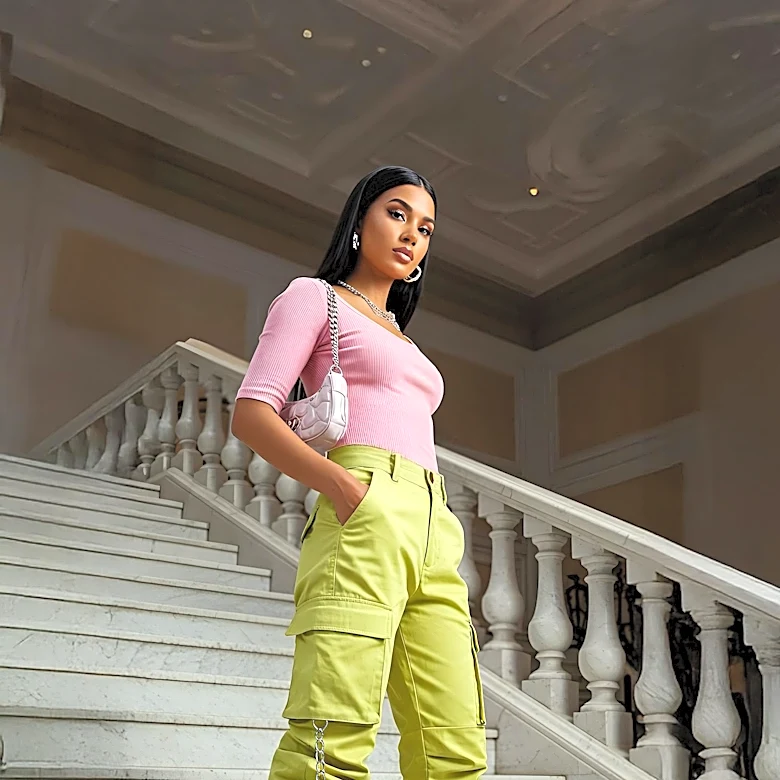
The pervasive influence of military design on civilian fashion underscores how practical needs and technological advancements developed for warfare often trickle down into everyday consumer products. This connection is crucial for understanding the origins of many popular clothing features, such as durable fabrics, multi-pocket designs, and weather-resistant materials, which are now staples in outdoor and gorpcore fashion. For consumers, recognizing this lineage can provide a deeper appreciation for the functionality and engineering behind their clothing. For the apparel industry, it highlights a rich source of innovation and design principles that continue to inspire new product development, bridging the gap between high-performance military-grade gear and accessible civilian wear. This historical link also subtly reflects societal values, where utility and resilience are often admired and emulated.
What's Next?
The ongoing influence of military design on civilian fashion is likely to continue, with new innovations in tactical gear potentially inspiring future trends in outdoor and functional apparel. As military technology advances, particularly in materials science and ergonomic design, these developments could be adapted for broader consumer markets. Designers and brands will continue to draw inspiration from military aesthetics and functionality, integrating elements like modularity, advanced weather protection, and durable construction into their collections. Events like the Functional Fabric Fair will remain crucial platforms for showcasing these material and design innovations, further blurring the lines between specialized military applications and mainstream fashion.
Beyond the Headlines
The connection between military uniforms and civilian fashion raises broader questions about the cultural appropriation of military aesthetics and the normalization of tactical gear in everyday life. While it highlights the ingenuity born from necessity, it also subtly reflects societal attitudes towards preparedness, survival, and a certain rugged individualism. The 'civilian-veteran divide' mentioned in the context of this influence suggests a deeper social commentary on how military experiences and their material culture are perceived and integrated into mainstream society. This trend also touches upon ethical considerations regarding the commercialization of designs originally intended for combat, and how these designs are recontextualized for leisure and style, potentially detaching them from their original, often somber, purpose.