






What's Happening?
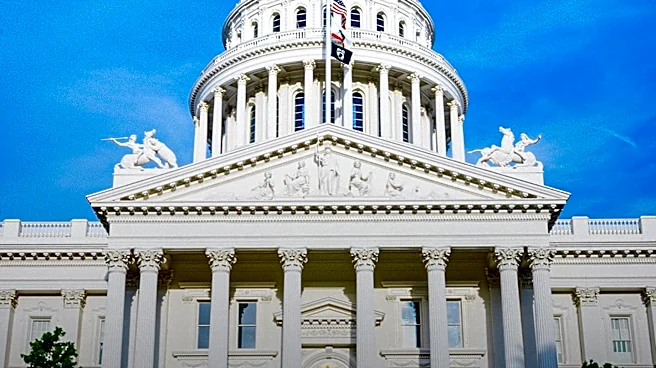
California has enacted Senate Bill (SB) 947, known as the 'No Robo Bosses Act,' which imposes new restrictions on employers' use of Artificial Intelligence (AI) in workplace monitoring and decision-making. Effective July 1, 2027, the law prohibits employers from
relying solely on an automated decision system (ADS) for disciplinary or termination decisions. If an employer primarily relies on an AI-powered tool's output for such decisions, a human must corroborate the result using data collected by the ADS or other relevant information like supervisory evaluations or personnel files. The law broadly defines ADS to include any computational process derived from machine learning, statistical modeling, data analytics, or AI that produces a score, classification, or recommendation to assist or replace human decision-making and materially impacts individuals. This definition extends beyond generative AI to include productivity scoring tools, attendance analytics, performance trackers, and customer-rating systems if they influence personnel decisions. Employers are also required to provide affected employees with a written 'postuse' notice if an ADS was primarily used in a disciplinary or termination decision, detailing that a human reviewed and corroborated the output.
Why It's Important?
This legislation marks a significant step in AI regulation within the U.S., particularly in the employment sector. California continues to lead in establishing legal frameworks for AI, addressing concerns about algorithmic bias, fairness, and transparency in the workplace. The 'No Robo Bosses Act' aims to protect employees from potentially unfair or unverified AI-driven decisions, ensuring a human element remains in critical employment actions. This could set a precedent for other states and potentially influence federal discussions on AI governance. For businesses, the law introduces new compliance burdens, requiring them to audit their existing AI tools, update data security plans, and train employees on responsible AI use. Non-compliance could lead to civil penalties and legal actions, including potential claims under California’s Private Attorneys General Act (PAGA). The law also highlights the growing tension between technological innovation and the need for ethical oversight, impacting how companies develop and deploy AI solutions in human resources.
What's Next?
Employers in California need to begin preparing for compliance with SB 947 before its effective date of July 1, 2027. This involves inventorying all potentially covered automated decision systems, assessing how these tools are used, and ensuring human review is integrated into decision-making processes, especially concerning discipline and termination. Companies will also need to develop and implement 'postuse' notice templates and establish procedures for handling employee information requests related to ADS data. Training managers and employees on the new requirements will be crucial. The law's impact may extend beyond California, as other states like Colorado, Connecticut, Illinois, New York City, and Texas already have laws restricting automated decision-making tools in employment. This trend suggests a growing regulatory landscape for AI in the workplace across the U.S., prompting businesses to adopt more responsible AI governance practices.
Beyond the Headlines
The 'No Robo Bosses Act' delves into the ethical and legal implications of AI's increasing role in human resources. By mandating human corroboration for AI-driven disciplinary and termination decisions, the law implicitly acknowledges the limitations and potential biases inherent in algorithmic systems. It raises questions about accountability when AI systems produce inaccurate or discriminatory outcomes and emphasizes the importance of human oversight in maintaining fairness and due process. The legislation also touches upon the broader societal shift towards greater transparency in AI, pushing companies to explain how AI systems make decisions and what data they use. This could foster a more trust-based relationship between employers and employees regarding AI deployment, potentially influencing the development of AI tools that are designed with explainability and human-in-the-loop principles from the outset. The law's exemption for collective bargaining agreements that explicitly waive these requirements also highlights the evolving role of labor unions in shaping AI policy.