



What's Happening?
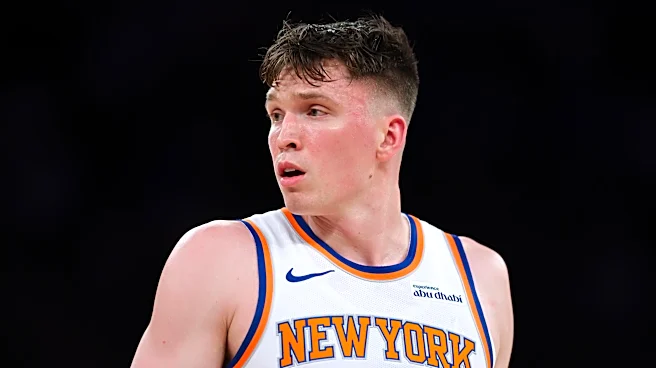
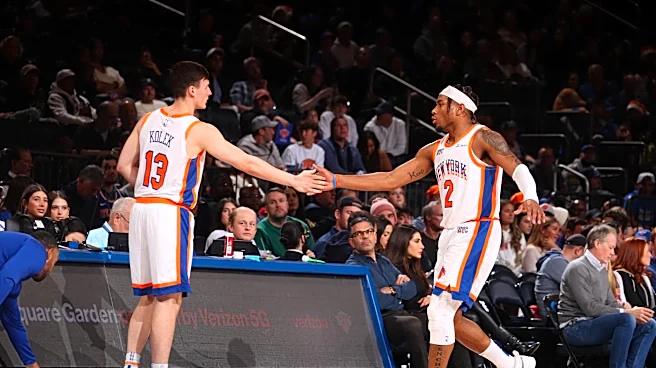
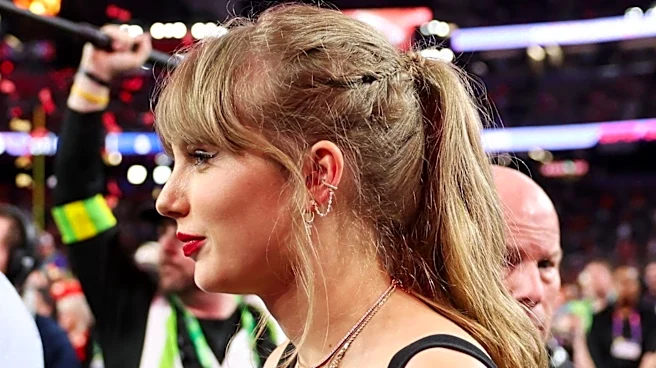
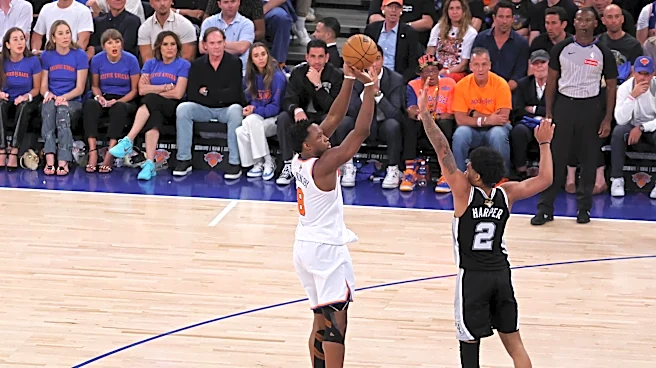
The New York Knicks have issued a statement defending pop superstar Taylor Swift's long-standing fandom after guard Tyler Kolek publicly questioned her allegiance. During a livestream with teammate Deuce McBride, Kolek suggested that Swift's courtside
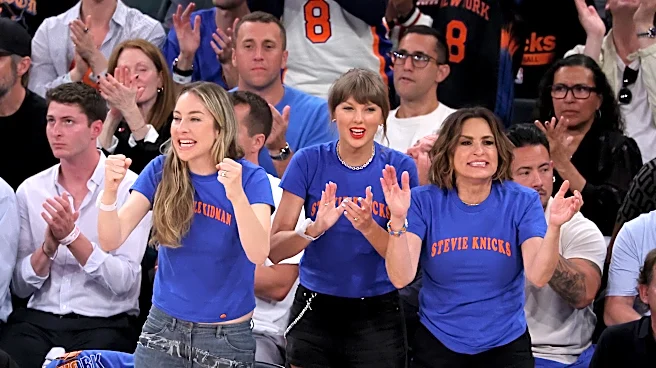
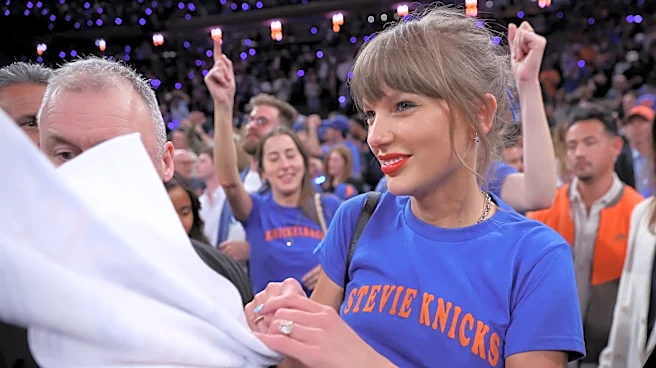
appearances were 'very performative' and that she might not be a 'true fan,' noting he hadn't seen her at many other games. McBride initially agreed, anticipating backlash from Swift's fans. In response, a Knicks spokesperson released a statement affirming, 'Taylor Swift has been a Knicks fan for many years, has a long history with Madison Square Garden, and we are incredibly appreciative of her support of the organization.' Swift has a history with Madison Square Garden, including a halftime show at age 13 and attending Game 4 of the 2026 NBA Finals, where she was seen celebrating the Knicks' historic comeback victory.
Why It's Important?
This incident highlights the intersection of celebrity culture, sports, and public relations. Taylor Swift's immense global influence means that any perceived slight or questioning of her authenticity can generate significant media attention and fan reaction. For the Knicks, defending Swift is a strategic move to maintain a positive relationship with a high-profile supporter whose presence brings considerable visibility and cultural cachet to the team and the NBA. Her attendance at games, particularly during the 2026 NBA Finals, garnered widespread media coverage and engaged a demographic beyond traditional basketball fans. The team's swift response underscores the value they place on celebrity endorsements and the potential impact on their brand image and fan engagement. It also demonstrates the careful management required when players' personal opinions clash with organizational interests.
What's Next?
The Knicks' statement aims to mitigate any negative fallout from Kolek's comments and reinforce their appreciation for Taylor Swift's support. While Kolek's remarks were made in a casual setting, the team's official response indicates a desire to control the narrative and prevent further controversy. It is likely that Kolek and McBride may face internal discussions or guidance from the team regarding public comments, especially concerning high-profile figures. The incident may also spark further debate among fans and media about the nature of celebrity fandom and the authenticity of public appearances. For Taylor Swift, her continued presence at Knicks games, or lack thereof, will likely be scrutinized, potentially influencing public perception of her sports allegiances.
Beyond the Headlines
This event delves into the broader implications of celebrity involvement in sports and the commercial value they bring. Taylor Swift's 'performative' fandom, as Kolek suggested, touches on the blurred lines between genuine interest and strategic brand alignment in the entertainment and sports industries. Her marriage to Travis Kelce at Madison Square Garden further solidifies her connection to the venue and, by extension, the Knicks. The team's defense of her fandom reflects an understanding of the modern media landscape, where celebrity endorsements can significantly amplify a team's reach and appeal. It also raises questions about the pressure on public figures to maintain a certain image and the scrutiny they face from both fans and athletes themselves. The incident serves as a reminder of the powerful influence celebrities wield and the careful navigation required by sports organizations in managing these relationships.