

What's Happening?
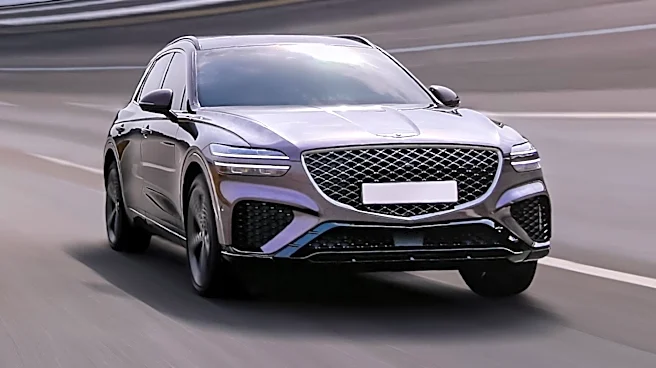
Genesis has revealed its 2028 GV90, a new flagship electric vehicle designed to compete in the luxury SUV market. The GV90 will feature a 123.5-kWh battery pack, the largest ever in a Hyundai Motor Group product, aiming for over 310 miles of range on
a single charge and a 10 to 80 percent recharge time of 22 minutes. Powering the vehicle are two new motors, producing a combined 657 hp and 590 lb-ft of torque. The GV90 is built on a new Genesis-exclusive EV platform called eMP, a modified version of Hyundai Motor Group’s eGMP platform. The vehicle will offer multiple seating configurations, including a seven-seater standard GV90 and a four-seat 'executive suite' in the GV90 Neolun, which also features unique pillarless coach doors with a 'hidden B-pillar' design for enhanced structural integrity and safety. The interior boasts high-end materials like wool, cashmere, wood, and stone, alongside a 23.6-inch infotainment screen that expands to 24.6 inches when parked, powered by Hyundai’s new Pleos Connect infotainment software with an integrated AI agent, Gleo AI.
Why It's Important?
The introduction of the 2028 Genesis GV90 signifies Genesis's aggressive push into the ultra-luxury electric vehicle segment, directly challenging established brands like Cadillac, Range Rover, and Rolls-Royce. This move is important for the U.S. automotive market as it introduces a new contender with advanced EV technology and luxury features, potentially driving innovation and competition. The GV90's large battery capacity and rapid charging capabilities could set new benchmarks for luxury EVs, influencing consumer expectations and accelerating the adoption of electric vehicles. Furthermore, the integration of sophisticated infotainment systems like Pleos Connect and AI agent Gleo AI highlights a growing trend towards software-defined vehicles, which could reshape the user experience and functionality of future automobiles. The emphasis on unique design elements, such as the pillarless coach doors, also demonstrates Genesis's commitment to differentiating itself through innovative engineering and design, potentially influencing future luxury vehicle aesthetics and safety standards.
What's Next?
The 2028 Genesis GV90 is expected to enter the market, with its launch likely to be closely watched by competitors and luxury car enthusiasts. Genesis will focus on marketing its blend of bleeding-edge EV technology and traditional luxury to attract a discerning customer base. The performance of the GV90, particularly its range, charging speed, and advanced technological features, will be critical in establishing its position against rivals. The adoption and reception of the new Pleos Connect infotainment system and Gleo AI will also provide insights into consumer preferences for integrated AI and software-defined vehicle experiences. Genesis will likely continue to expand its retail and service networks to support the new flagship model, ensuring a premium customer experience. Future developments may include further iterations of the eMP platform and the integration of more advanced autonomous driving capabilities, as the company aims to solidify its standing in the competitive luxury EV landscape.
Beyond the Headlines
The 2028 Genesis GV90's innovative approach to luxury and technology extends beyond mere specifications, touching upon deeper implications for automotive design and consumer expectations. The reintroduction of pillarless coach doors, engineered with a 'hidden B-pillar' for safety, challenges long-held design conventions and could inspire other manufacturers to revisit classic design elements with modern safety solutions. This blend of classic elegance and contemporary engineering highlights a potential shift in luxury vehicle design, where aesthetic appeal is no longer sacrificed for structural integrity. Moreover, the extensive use of high-quality materials like wool, cashmere, and stone in the interior, combined with advanced digital interfaces, suggests a future where the tactile and digital experiences within a vehicle are seamlessly integrated. The emphasis on a personalized 'executive suite' experience, with rotating seats and integrated amenities, points towards a future where vehicles are not just modes of transport but extensions of living or working spaces, reflecting evolving lifestyle trends and the demand for multi-functional environments.