




What's Happening?
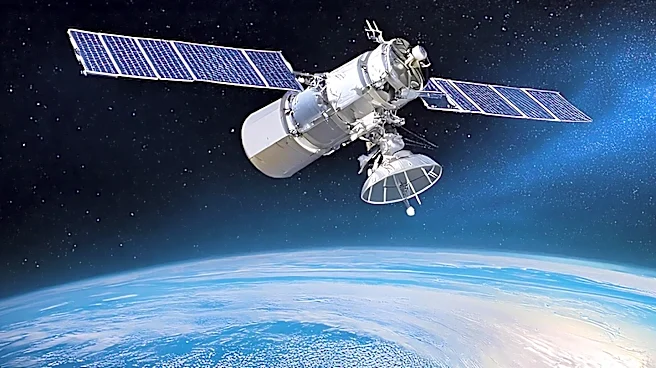
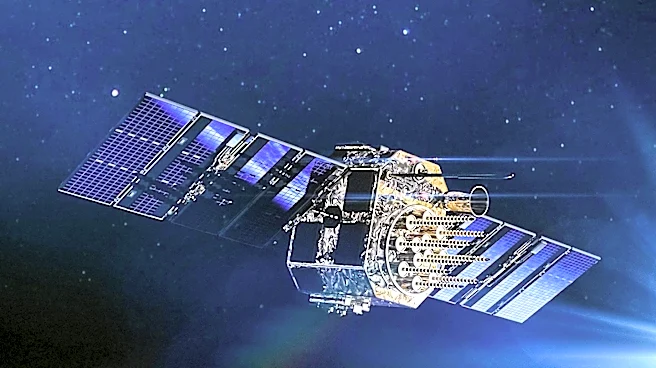
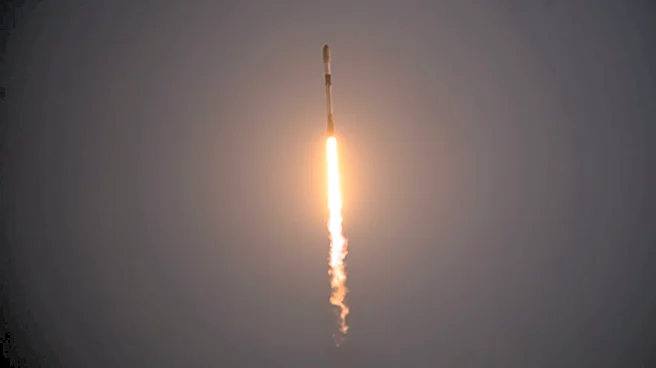
AST SpaceMobile is progressing in its mission to establish a satellite network that provides broadband directly to mobile phones through existing mobile operators. The company has successfully launched several BlueBird satellites, with the latest launches
occurring on June 17 and August 5, 2026. AST aims to have approximately 45 satellites in orbit by the end of 2026. This ambitious schedule is part of their transition from technology demonstration to commercial rollout. The company reported a Q1 2026 revenue of $14.7 million and maintains its revenue guidance for 2026 between $150 to $200 million. The focus is now on execution, with investors closely watching the manufacturing pace, launch cadence, and customer conversion rates.
Why It's Important?
The development of AST SpaceMobile's satellite network is significant as it represents a shift in the space economy towards recurring services rather than one-time technological feats. This move could potentially revolutionize mobile connectivity, especially in remote areas where traditional infrastructure is lacking. The success of this initiative could lead to a new era of telecommunications, providing seamless connectivity across the globe. However, the company faces challenges such as the need for rapid satellite production and the establishment of reliable telecom partnerships. The outcome of AST's efforts could influence investor confidence and set a precedent for future space-based connectivity projects.
What's Next?
AST SpaceMobile is expected to continue its satellite launches to meet its target of 45 satellites by the end of 2026. The company will need to demonstrate that its satellite production can keep pace with its ambitious schedule and that its partnerships with mobile network operators can translate into a functional and profitable network. Investors and industry stakeholders will be monitoring the company's progress closely, particularly in terms of operational milestones and financial performance. The success of AST's business model could encourage further investment in space-based telecommunications solutions.