
What's Happening?
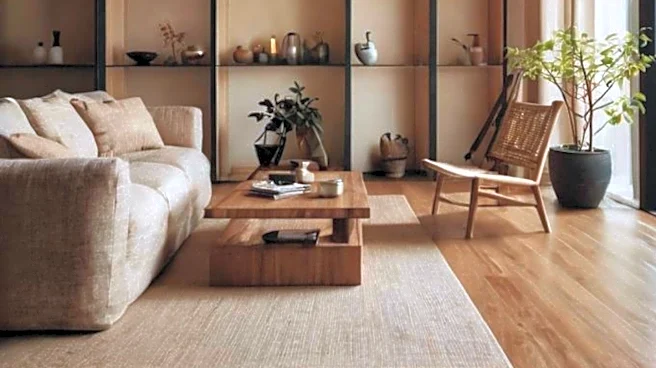
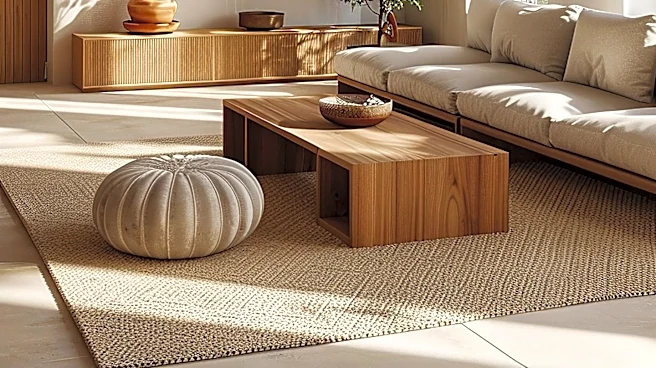
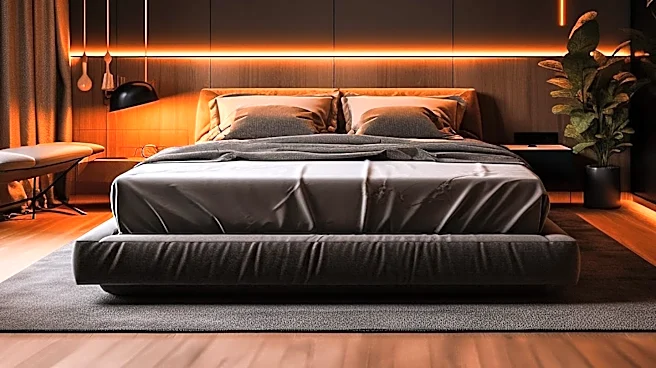
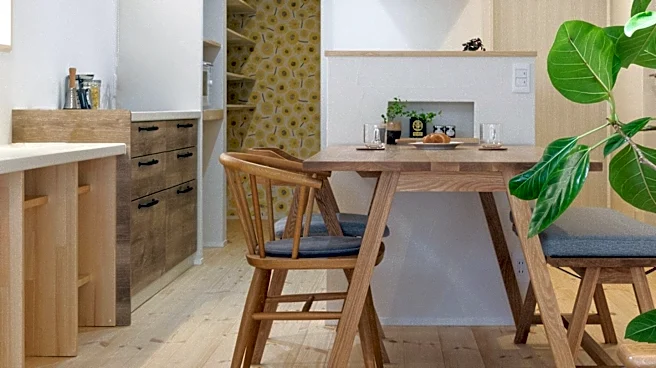
Zook Cabins, a company specializing in tiny homes, is incorporating Japandi design principles into its Scandinavian Collection. This design philosophy, which blends Japanese and Scandinavian aesthetics,
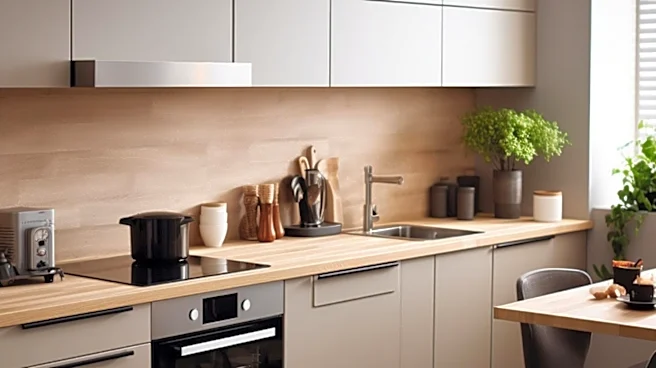
emphasizes simplicity, natural materials, functionality, craftsmanship, and a strong connection with nature. Models like the Skye and Anders in their Scandinavian Collection feature warm Lunawood siding, birch walls, whitewashed ceilings, restrained color palettes, matte-black details, and large windows. The company focuses on spatial efficiency, including compact kitchens, stackable laundry facilities, integrated closets, lofts, and built-in storage to prevent interiors from feeling overwhelmed. Zook Cabins aims to integrate the lasting principles behind a style rather than merely following trends, ensuring their homes offer openness and breathing room for comfortable everyday use. This approach reflects a broader trend in the tiny-house industry towards minimalist and aesthetically pleasing designs.
Why It's Important?
The integration of Japandi design by Zook Cabins highlights a significant shift in the U.S. housing market, particularly within the growing tiny home sector. This trend reflects an increasing consumer demand for homes that prioritize sustainability, minimalist living, and a connection to nature. For the construction and interior design industries, it signals a move away from excessive ornamentation towards functional, well-crafted spaces using natural materials. This could influence material suppliers, furniture manufacturers, and architects to adapt their offerings to meet these evolving aesthetic and practical preferences. Furthermore, the emphasis on spatial efficiency and multi-functional design in tiny homes could inspire broader residential construction to innovate in maximizing living space, especially in urban areas where space is at a premium. This design philosophy also caters to a demographic seeking a calmer, less cluttered lifestyle, potentially impacting consumer goods markets as people opt for fewer, higher-quality items.
What's Next?
Zook Cabins plans to continue expanding its product range, with several new models scheduled to debut later this year. These additions are expected to include more home designs, refined compact-living solutions, and products that contribute to a complete residential or hospitality retreat. The company's focus will remain on distinctive architecture, practical living, quality craftsmanship, and innovative ways to dwell. This suggests a continued evolution in tiny home design, potentially leading to more sophisticated and integrated living solutions. Other manufacturers in the tiny home and modular construction sectors may follow suit, adopting similar design philosophies to cater to the demand for minimalist, nature-inspired living spaces. The success of these designs could also influence the broader real estate market, encouraging developers to consider smaller, more efficient, and aesthetically thoughtful housing options.
Beyond the Headlines
The adoption of Japandi design principles by Zook Cabins points to deeper cultural and societal shifts in the U.S. The emphasis on simplicity and natural materials can be seen as a response to consumer fatigue with excessive consumption and a desire for more mindful living. This design trend also reflects a growing appreciation for craftsmanship and durability, moving away from disposable culture. Ethically, the use of sustainable materials like Lunawood siding aligns with increasing environmental consciousness among consumers. Culturally, the blend of Japanese and Scandinavian aesthetics represents a globalized design sensibility, where influences from different parts of the world converge to create new, harmonious styles. This could foster a greater appreciation for diverse design traditions and their practical applications in modern living, promoting a sense of calm and well-being in the home environment.