





What's Happening?
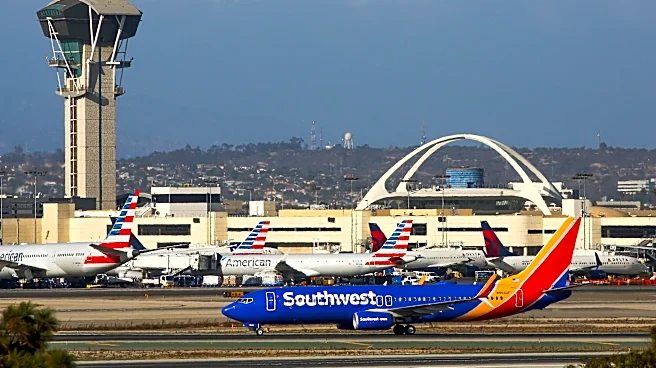
Southwest Airlines and French Bee have officially launched an interline partnership as of November 16, 2026. This collaboration allows travelers to book combined flights on both carriers under a single ticket, facilitating connections between Southwest's
extensive domestic network and French Bee's international routes. While bookings are currently available through French Bee's website, travel agents, and online booking sites, they are not yet accessible on Southwest.com. This agreement is an interline partnership, not a codeshare, meaning there are no reciprocal loyalty perks, elite recognition, or points earning/redemption across the two airlines. However, it simplifies the booking process for complex itineraries. French Bee and Southwest share operations at three U.S. airports: Los Angeles (LAX), Miami (MIA), and San Francisco (SFO), enabling French Bee passengers to connect to Southwest flights within the U.S. French Bee operates an all-Airbus A350 fleet, serving destinations like Réunion Island, Tahiti, Newark, San Francisco, Los Angeles, Miami, and Montréal from its Paris Orly (ORY) base. The airline plans to add seasonal nonstop flights to Malé (MLE), Maldives, and Colombo (CMB), Sri Lanka, on December 19, 2026.
Why It's Important?
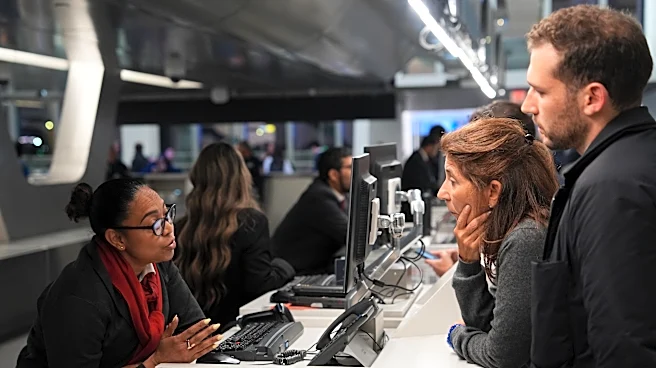
This interline partnership significantly broadens travel opportunities for U.S. consumers, particularly those seeking international destinations that were previously more challenging to access with Southwest's network. By allowing single-ticket bookings, the agreement streamlines travel logistics, potentially reducing stress and complexity for passengers connecting between domestic and international flights. For Southwest, this expands its international reach without requiring direct investment in long-haul aircraft or routes, leveraging French Bee's existing network. It also introduces more international customers to Southwest's domestic services. While the absence of loyalty perks might be a drawback for some frequent flyers, the convenience of a single ticket for multi-airline itineraries is a substantial benefit. This move reflects a growing trend among U.S. carriers to form strategic alliances to enhance their competitive position and offer more comprehensive travel solutions to a diverse customer base, impacting the broader U.S. travel industry by increasing connectivity and choice.
What's Next?
Southwest Airlines is actively expanding its roster of international partners, with French Bee being the latest addition to a list that includes Icelandair, China Airlines, EVA Air, Philippine Airlines, Condor, Turkish Airlines, ANA, Singapore Airlines, Air Premia, and LOT Polish Airlines. While most of these are currently interline-only agreements, Southwest plans to increase the number of partners where customers can earn and redeem points, with changes expected in 2027. This indicates a strategic shift towards deeper integration with international carriers, which could eventually include codeshare agreements offering more comprehensive loyalty benefits. The airline is also modifying its elite status and Milestone Rewards programs in 2027. The success of this partnership could pave the way for similar collaborations, further enhancing Southwest's global footprint and offering U.S. travelers more seamless international travel options. Future developments will likely focus on integrating booking systems more fully and potentially introducing loyalty program reciprocity.
Beyond the Headlines
The partnership between Southwest Airlines and French Bee highlights a strategic evolution in the U.S. airline industry, where low-cost carriers are increasingly seeking to bridge the gap between their domestic strengths and the demand for international travel. This move could challenge traditional full-service airlines by offering competitive pricing for international routes through combined tickets. The focus on interline agreements, rather than full codeshares, suggests a cautious approach to integration, allowing both airlines to maintain their distinct operational models while expanding market reach. This strategy could influence how other U.S. domestic carriers approach international expansion, potentially leading to a more fragmented but interconnected global air travel landscape. The emphasis on single-ticket convenience, even without loyalty benefits, underscores a consumer preference for simplified travel planning, which could drive future innovations in airline partnerships and booking platforms.