


What's Happening?
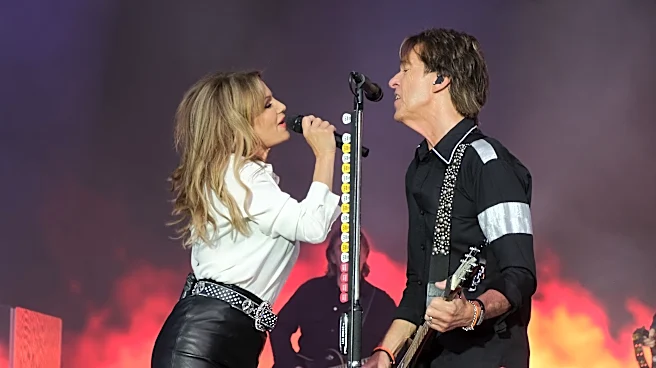
Swedish pop-rock band Roxette has canceled their 40th anniversary North American tour, including a scheduled performance at Pine Knob, due to logistical challenges and increased touring costs. The tour, which was announced in May, was set to be the band's
first performance in the area since 1992. Roxette's songwriter and guitarist, Per Gessle, expressed disappointment over the cancellation, noting that the decision was made by Live Nation US based on their calculations. The cancellation affects fans across the U.S. and Canada, with refunds being processed through Ticketmaster. Roxette joins other artists like Meghan Trainor and the Pussycat Dolls who have also canceled tours this summer.
Why It's Important?
The cancellation of Roxette's tour highlights the financial and logistical challenges facing the live music industry, particularly in the wake of the COVID-19 pandemic. Rising costs and logistical hurdles are making it increasingly difficult for artists to tour, impacting both performers and fans. This trend could lead to fewer live performances and a shift in how the music industry operates, potentially affecting local economies that benefit from concert-related tourism. The situation underscores the need for the industry to adapt to changing economic conditions, possibly through innovative solutions or new business models to sustain live performances.
What's Next?
As the live music industry grapples with these challenges, there may be increased pressure on promoters and venues to find cost-effective solutions to support touring artists. This could involve exploring alternative revenue streams or partnerships to offset rising costs. Fans may also see changes in ticket pricing or concert formats as the industry adapts. For Roxette, the band has expressed hope to reschedule their North American tour in the future, contingent on more favorable economic conditions. The situation may also prompt broader discussions within the industry on how to support artists and ensure the viability of live performances in the long term.