








What's Happening?
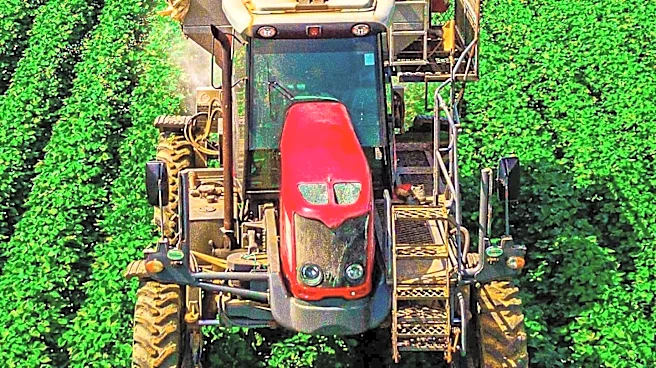
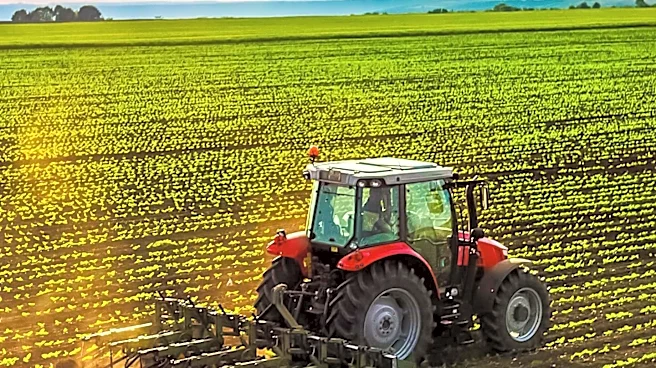
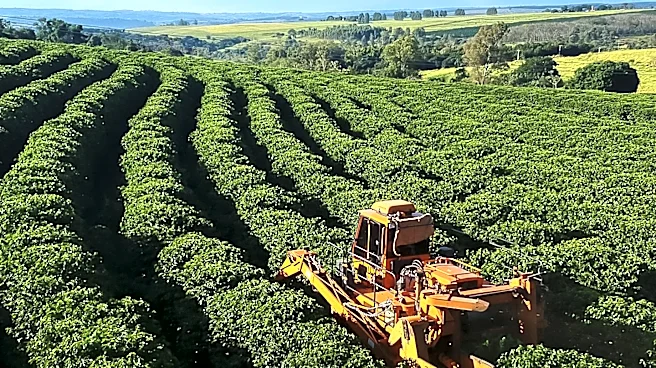
The development of autonomous agricultural technology is transforming traditional farming operations by shifting from single-machine automation to coordinated machine operations. This advancement allows multiple intelligent machines to work together,
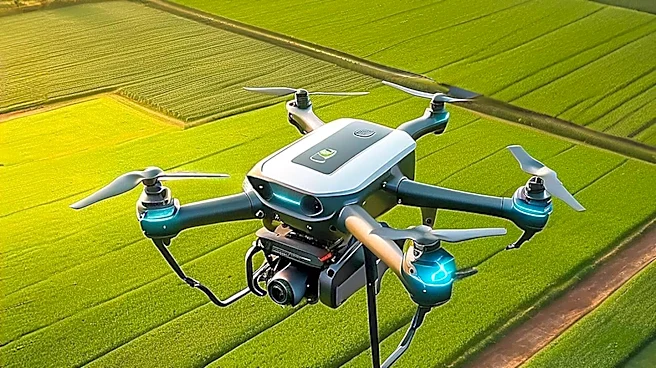
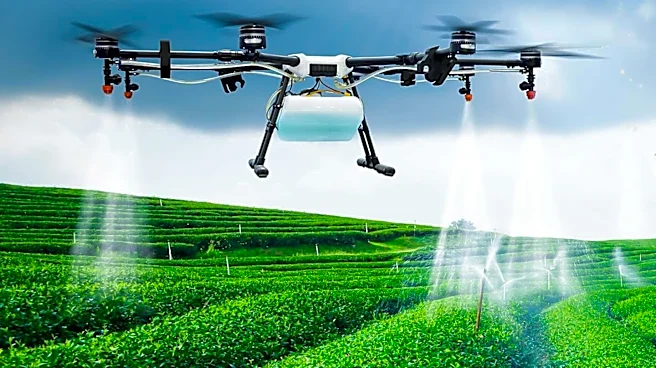
providing greater flexibility, improved equipment utilization, and more precise agricultural management. SENYTA's Smart Farm Management Platform plays a crucial role in this transformation by integrating equipment connectivity, real-time monitoring, fleet management, and operational data analysis. This platform enables farmers to manage multiple machines through a unified system, reducing downtime and improving decision-making. The use of precision navigation technology, such as the QIANXING® Autonomous Guidance System, enhances operational accuracy and consistency, allowing agricultural equipment to perform tasks with greater precision. LINKSY® platforms, designed for various farming scenarios, demonstrate how autonomous equipment can support different farming requirements, from orchard operations to large-scale field applications.
Why It's Important?
The shift towards coordinated machine operations in agriculture is significant as it addresses the challenges of labor requirements and efficiency in large-scale farming environments. By enabling machines to work together, farmers can reduce manual workload, maintain consistent performance across different field conditions, and improve overall operational efficiency. This technological advancement supports a more intelligent and data-driven agricultural model, which is crucial for sustainable agricultural development. The integration of autonomous platforms and precision navigation technology not only enhances productivity but also helps in achieving more sustainable farming practices. As the agricultural sector faces increasing demands for food production, these innovations provide a pathway to meet those demands while minimizing environmental impact.
What's Next?
The future of agriculture is likely to see further integration of intelligent systems where multiple machines, digital platforms, and data-driven decisions work together. As technology continues to advance, farmers can expect more sophisticated tools and platforms that will further enhance the efficiency and sustainability of agricultural operations. Stakeholders in the agricultural industry, including technology developers and farmers, will need to collaborate to ensure the successful implementation and adoption of these technologies. Additionally, there may be a need for policy frameworks to support the integration of autonomous technologies in agriculture, addressing potential challenges such as data privacy and security.
Beyond the Headlines
The move towards autonomous and coordinated farming operations raises important ethical and cultural considerations. The reduction in manual labor could impact employment in rural areas, necessitating strategies for workforce transition and skill development. Furthermore, the reliance on technology and data-driven decisions may require farmers to adapt to new ways of managing their operations, which could challenge traditional farming practices. The long-term implications of these changes will need to be carefully managed to ensure that the benefits of technological advancements are equitably distributed across the agricultural sector.