
What's Happening?
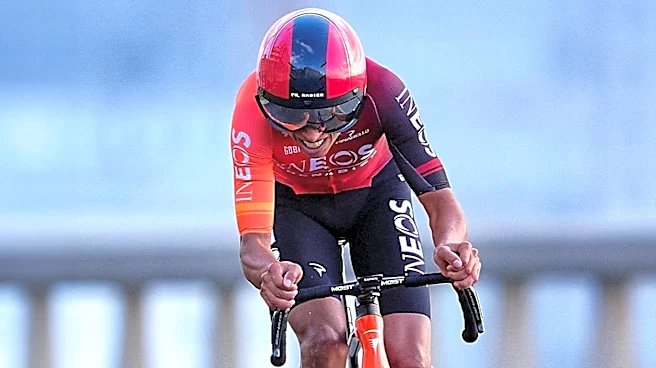
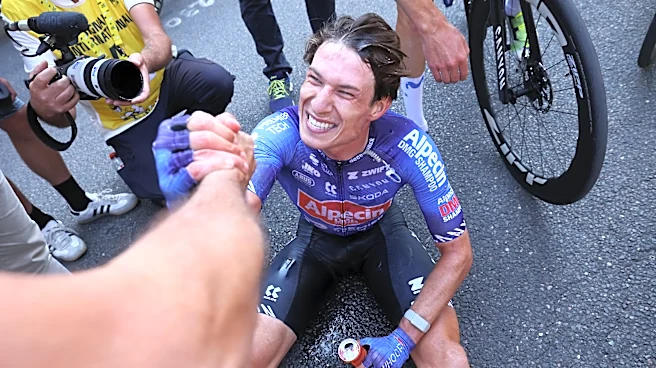
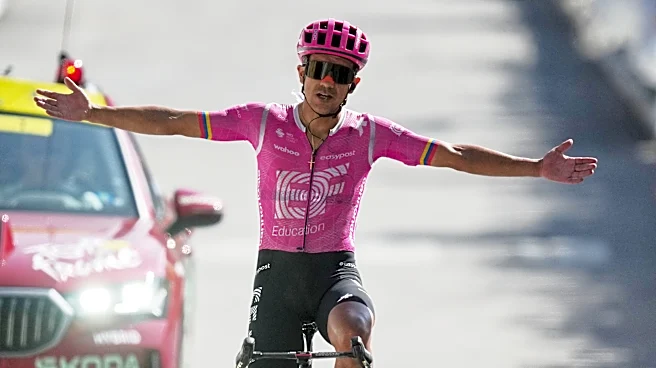
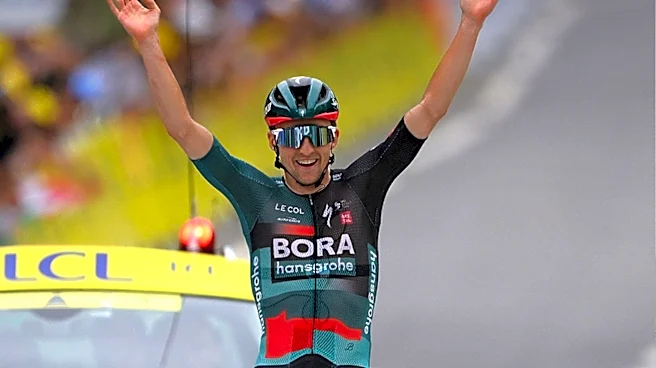
The Tour de France, one of the most prestigious cycling events globally, is not just a test of physical endurance but also a strategic game akin to chess. Riders must navigate the challenges of air resistance
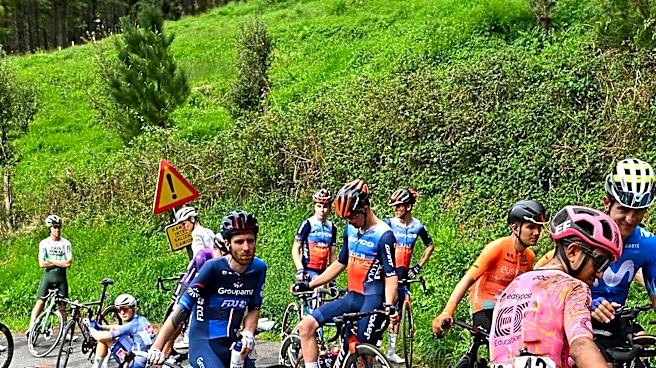
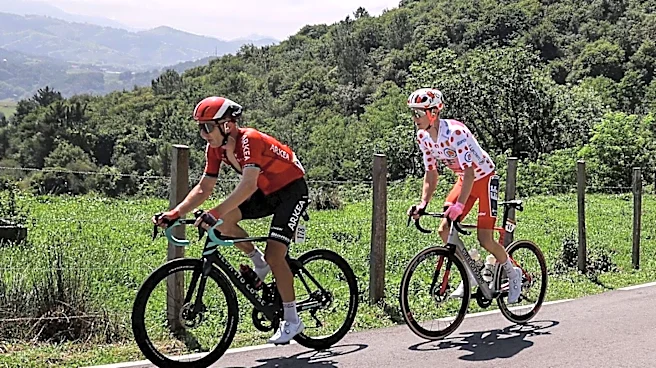
and team dynamics to succeed. The peloton, a large group of cyclists, works together to minimize the aerodynamic burden, allowing riders to conserve energy. Teams, heavily reliant on sponsors, aim to maximize brand visibility by competing for various jerseys, including the coveted yellow jersey for the overall winner. The race also features other classifications like the green jersey for points, polka dots for the best climber, and white for the best young rider. Winning these requires strategic breakaways and cooperation among rival teams.
Why It's Important?
The Tour de France is a significant event for the cycling industry and sponsors, offering a global platform for brand exposure. The strategic elements of the race highlight the importance of teamwork and tactical planning in sports. For sponsors, the visibility gained through the race can translate into substantial financial returns, justifying their investment in teams. The event also underscores the intersection of sports science and marketing, where understanding physics and biology can enhance performance and brand strategy. This dynamic showcases how sports can drive economic activity and influence consumer behavior.
What's Next?
As the Tour de France continues, teams will likely refine their strategies to optimize performance and sponsor visibility. The evolving tactics may influence future sponsorship deals and team compositions. Additionally, advancements in sports science could lead to new training methods and equipment, further impacting the race's competitive landscape. Stakeholders, including sponsors and team managers, will closely monitor these developments to maintain a competitive edge.