






What's Happening?
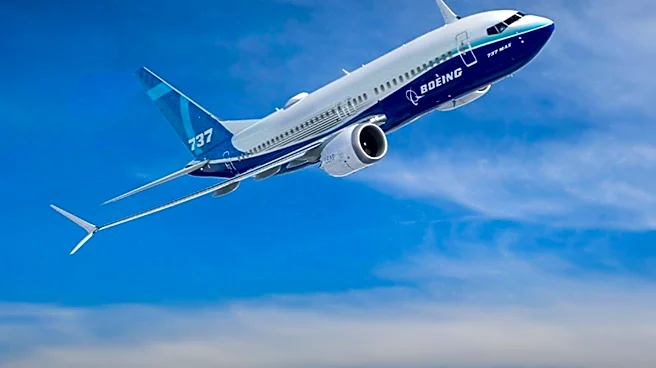
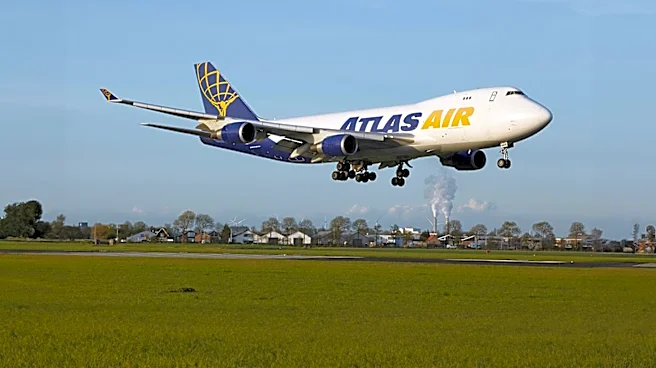
Boeing (NYSE:BA) has released its 2026 World Air Cargo Forecast, projecting a significant increase in global air cargo traffic, which is expected to double by 2045. This forecast anticipates that the worldwide freighter fleet will exceed 4,000 aircraft
within the next two decades. The company specifically projects a demand for nearly 3,000 new and converted freighters over the next 20 years, driven largely by the growth of e-commerce and the transportation of high-value goods. This outlook aligns with Boeing's strategic focus on commercial and converted freighters, providing a potential area of growth despite recent mixed financial results, including a basic loss per share of US$0.26 in Q3 2026 and earlier disruptions with the 777F.
Why It's Important?
This forecast is crucial for Boeing as it provides a long-term positive outlook amidst current production constraints and financial challenges. The projected doubling of air cargo traffic and the demand for thousands of new freighters could significantly bolster Boeing's large backlog and provide a stable revenue stream for its commercial and converted freighter divisions. For the U.S. economy, a robust air cargo sector supports global trade, e-commerce growth, and the efficient movement of goods, which are vital for various industries. This demand could also stimulate job creation within the aerospace manufacturing sector and its extensive supply chain. Investors will be closely watching whether Boeing's reported activity, such as freighter orders and conversions, aligns with this optimistic traffic outlook, as it could signal a strong recovery and future profitability for the company.
What's Next?
Boeing will likely intensify its efforts in the commercial and converted freighter markets to capitalize on the projected demand. The company's strategy will involve securing new orders and accelerating the conversion of passenger aircraft into freighters to meet the anticipated need for nearly 3,000 additional aircraft. Industry stakeholders, including airlines and logistics companies, will be evaluating their fleet expansion and modernization plans based on this forecast. Boeing's performance in delivering on this demand will be a key indicator of its ability to leverage market opportunities and overcome its current operational hurdles. Future World Air Cargo Forecast cycles and quarterly delivery numbers for dedicated cargo aircraft will be critical metrics to assess the actual translation of projected demand into Boeing's booked and delivered units.
Beyond the Headlines
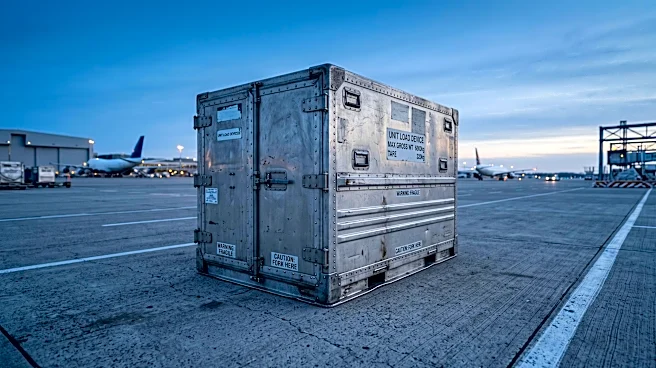
The long-term growth in air cargo traffic, as predicted by Boeing, has broader implications for global supply chains and environmental sustainability. The increased demand for freighters will necessitate advancements in fuel efficiency and potentially the development of more environmentally friendly cargo aircraft to mitigate the carbon footprint of air transport. Furthermore, the rise of e-commerce as a primary driver for this growth highlights a fundamental shift in consumer behavior and global retail, placing greater emphasis on rapid and reliable logistics. This trend could also spur innovation in cargo handling technologies and infrastructure, leading to more automated and efficient air freight operations worldwide, with significant impacts on port cities and logistics hubs.