









What's Happening?
The global gourmet food market, valued at $300.7 billion in 2025, is projected to grow significantly to $516.72 billion by 2034, exhibiting a Compound Annual Growth Rate (CAGR) of 6.20% during the forecast period (2026–2034). Europe dominated the market in 2025 with
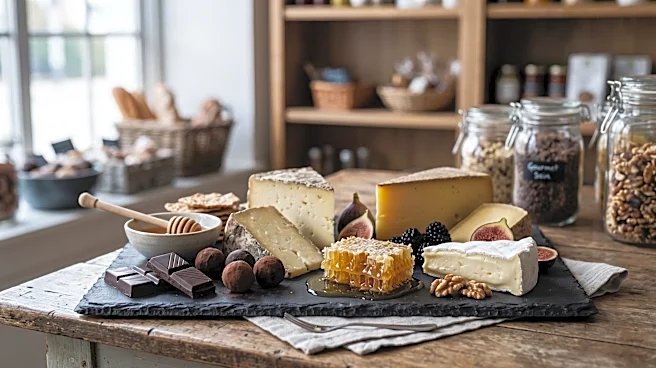
a 31.6% share. This growth is primarily fueled by increasing consumer preference for premium food products, a rising interest in authentic regional cuisines, and the expanded use of specialty ingredients in both home cooking and fine dining. Gourmet food encompasses premium-quality products made with carefully selected ingredients, distinctive recipes, specialized culinary techniques, and refined flavor combinations, including items like artisanal cheeses, specialty chocolates, organic gourmet food, premium seafood, and handcrafted confectionery. Food producers are increasingly focusing on artisanal products, rare ingredients, organic selections, and chef-inspired food ranges to offer unique culinary experiences.
Why It's Important?
The substantial growth forecast for the gourmet food market signifies a significant shift in consumer spending habits and preferences, particularly in the U.S. This trend indicates a move towards higher-quality, more distinctive food experiences, impacting various stakeholders from producers and retailers to consumers. For U.S. food manufacturers, this presents opportunities to innovate and expand into premium segments, focusing on unique ingredients and artisanal production methods. Retailers, including supermarkets and online marketplaces, stand to gain by curating specialized gourmet selections. The demand for chef-curated meal kits and restaurant-style home dining also creates new avenues for businesses to cater to consumers seeking convenience without compromising on quality. This market expansion could lead to increased investment in specialized food production, potentially boosting local economies and creating jobs in the food sector.
What's Next?
The gourmet food market is expected to see continued innovation, particularly in areas like precision fermentation for rare ingredients and the revival of heritage ingredients through regional culinary craft. Investment in premium food brands, artisanal products, and specialty ingredients is anticipated to rise. Online marketplaces are projected to be the fastest-growing sales channel, with a CAGR of 11.2% during the forecast period, indicating a shift towards digital platforms for gourmet food purchases. Manufacturers will likely focus on developing products that offer both unique flavors and functional benefits, such as those incorporating functional nutrition. The market will also need to address challenges like maintaining terroir characteristics in large-scale production and mitigating trace contamination risks in shared facilities, which could drive advancements in food processing and safety protocols.
Beyond the Headlines
Beyond the economic implications, the rise of the gourmet food market reflects deeper cultural and lifestyle shifts. Consumers are increasingly valuing authenticity, provenance, and unique culinary experiences, moving beyond basic sustenance to view food as a form of self-expression and a source of pleasure. This trend also highlights a growing awareness of food origins and production methods, with a preference for organic, artisanal, and regionally specific products. The convergence of premium food experiences with functional nutrition suggests a holistic approach to well-being, where food is seen as both enjoyable and beneficial for health. This evolution could lead to a more sophisticated and diverse food landscape, encouraging culinary exploration and supporting sustainable, small-batch production practices.