



What's Happening?
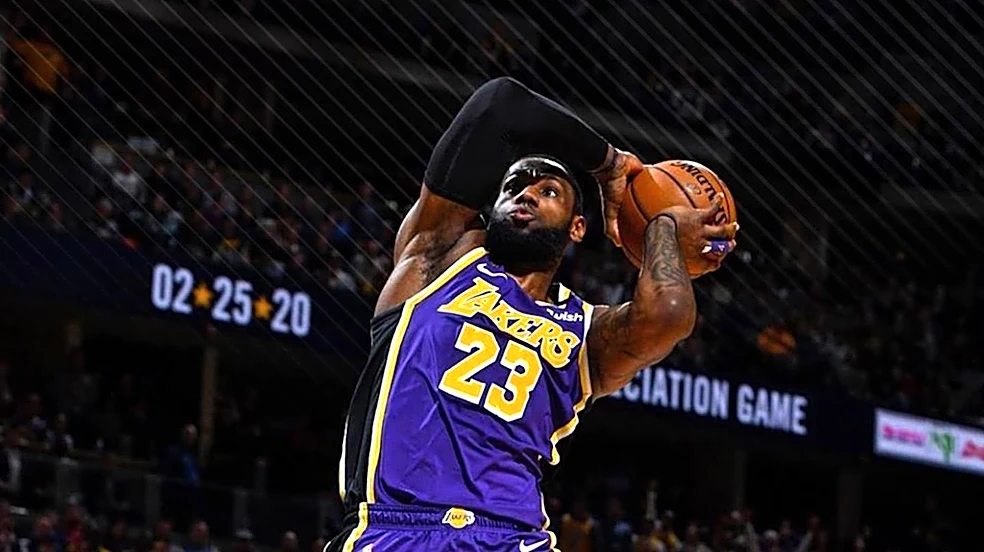
Former NBA player Nick Young has publicly accused the NBA of intentionally concealing footage of him dunking over LeBron James during the 2007-08 season. Young made these claims during an appearance on the 'Club Shay Shay' podcast, suggesting that the league
suppressed the video to protect LeBron James's superstar image. He compared his situation to a similar incident involving Jordan Crawford, a college player whose dunk over James in a 2009 skills camp was reportedly confiscated by Nike, a sponsor of James. Young believes his dunk, which he described as a significant play, should have received more recognition and that its alleged suppression by the NBA was an effort to maintain James's pristine public perception. He noted that despite the NBA's daily 'Top 10 Plays,' his memorable dunk was ranked tenth, which he found to be an insult given the circumstances.
Why It's Important?
This accusation by Nick Young, if true, raises questions about the integrity of sports media and the potential for leagues or sponsors to manipulate narratives around star athletes. The NBA, as a major sports entertainment entity, relies heavily on the public image of its players. Allegations of suppressing footage to protect a player's brand could undermine fan trust and lead to skepticism about how game highlights and player performances are presented. For athletes like Young, such actions could diminish their career highlights and impact their legacy. It also highlights the power dynamics within professional sports, where the commercial interests of star players and their sponsors might influence the public dissemination of game-related content, potentially at the expense of other players' achievements.
What's Next?
It remains to be seen whether the NBA or LeBron James will respond to Nick Young's allegations. Without concrete evidence, Young's claims are likely to remain speculative, though they could spark further discussion among fans and sports analysts about the league's practices. The incident might prompt a closer look at how the NBA archives and releases footage, especially concerning interactions between high-profile players and lesser-known athletes. Social media and sports commentary platforms are expected to continue debating the validity of Young's claims and the broader implications for sports transparency. This could also encourage other former players to share similar experiences, potentially leading to a more widespread conversation about media control in professional sports.
Beyond the Headlines
The controversy extends beyond a single dunk, touching upon broader themes of media control, athlete branding, and the subjective nature of sports narratives. In an era dominated by social media and instant replays, the idea that a major sports league could 'hide' footage is particularly intriguing. It suggests a deliberate effort to curate public perception, not just of individual athletes but of the league itself. This incident could fuel discussions about the ethical responsibilities of sports organizations to present an unvarnished account of events, even when they involve their most valuable assets. It also underscores the ongoing tension between sports as pure competition and sports as a commercial enterprise, where image and marketability often play a significant role.